The Second Boer War: Public Opinion & the Concentration Camps (Edexcel A Level History: Paper 3 Options): Revision Note
Exam code: 9HI0

Summary
In 1899, more newspapers were being purchased and read in Britain than ever before
Nearly all of these newspapers sent reporters to southern Africa to cover the war
These reporters greatly influenced people's opinions about the war
Some reporters became stars, especially Winston Churchill
Although most British people were in favour of the war, it had opponents from the outset
These included Irish Nationalists and those who were politically opposed to imperialism and capitalism
Opposition to concentration camps grew due to the campaigning work of Emily Hobhouse
Her visits to the camps led to the government commissioning its own report
This led to changes in the way the camps were run
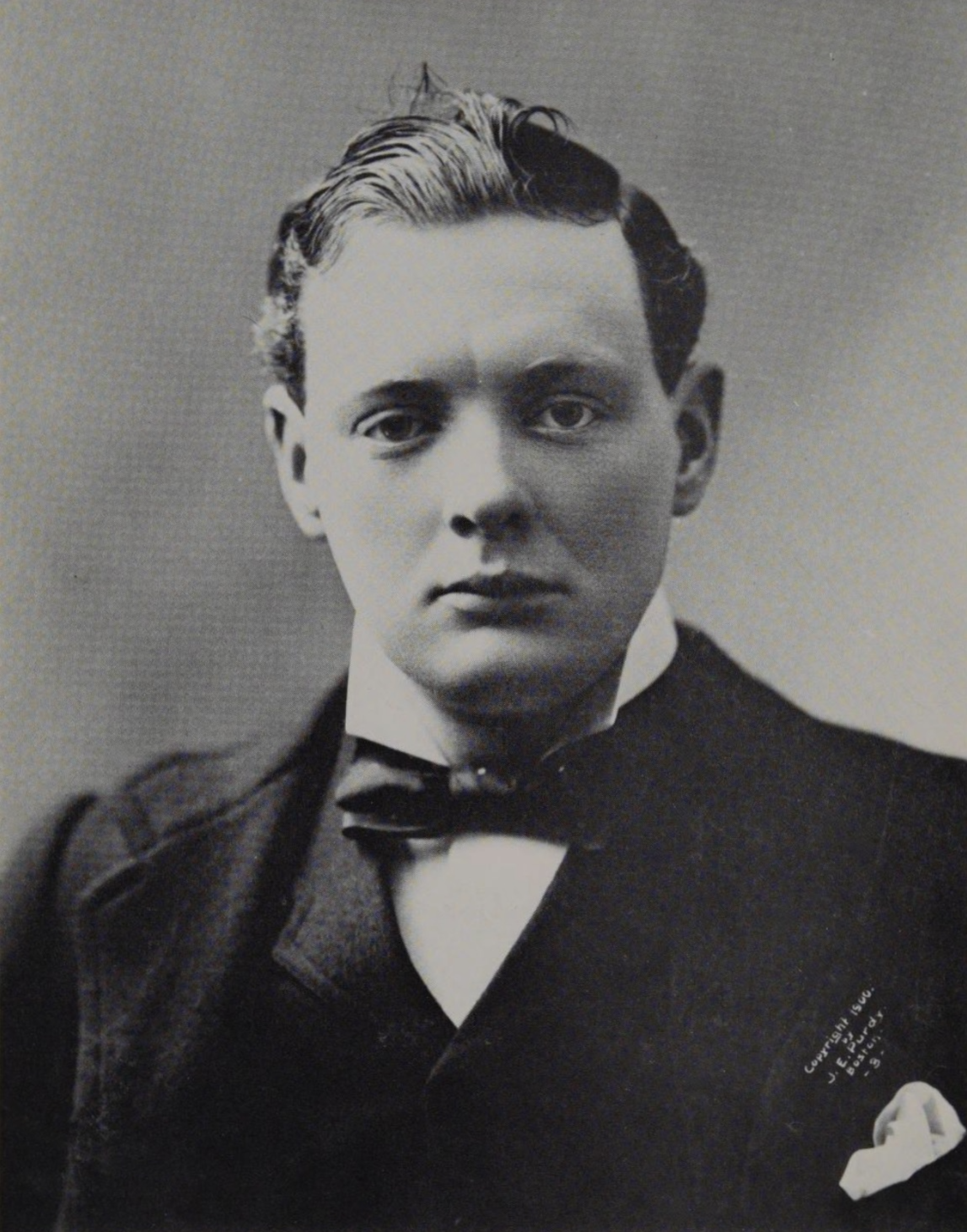
Reporting the war: Winston Churchill
In comparison to the Crimean War some 50 years earlier, the Boer War was covered by a lot more journalists
There were around 150 daily newspapers in Britain by the 1890s, and they were much cheaper than they had been in the 1850s
This meant they were read by a far greater proportion of the British public
The Daily Mail was launched in 1896 and, at half a penny, cost half what other newspapers cost
By 1900, it sold nearly a million copies a day
The influence of the press
People tended to buy newspapers that reflected their political views, but papers also influenced people's attitudes to the war
Newspapers were divided, mostly along party lines
Pro-war papers included the Daily Mail, the Daily Express (founded 1900) and The Times, which tended to have imperialist views
Anti-war papers included the Liberal Manchester Guardian, edited by C.P.Scott, and the Daily News, which pro-Boer Liberals took over in 1901
Anti-war papers sold far fewer copies than the Daily Mail, which suggests that most readers supported the war
Nearly all newspapers sent correspondents to southern Africa to report on the war, and some of these journalists became famous names
None became more famous than the Morning Post's Boer War correspondent, Winston Churchill
Churchill supported the war but criticised how it was fought
His reports exposed British failings in Natal, especially under Buller at Spion Kop
He warned readers that the Boers were a far tougher enemy than the public expected, which challenged the idea of a quick victory
He was a talented writer who wrote dramatic and persuasive prose
In 1899, when the armoured train he was travelling in was attacked, he was captured and placed in a prisoner-of-war camp in Pretoria
When he escaped and travelled 300 miles to safety in present-day Mozambique, he wrote about his experiences
His exploits transformed him into a national hero
He continued to work as a war correspondent but was also commissioned to fight as a cavalry officer
He wrote two books about his experiences in the Boer War
He used his new fame to campaign to stand for Parliament
In the ‘khaki election’ of October 1900, he was elected as Conservative MP for Oldham
It was called the khaki election after the colour of the army uniforms and it suggested that most voters still supported the war
Corpses lay here and there. Many of the wounds were of a horrible nature. The splinters and fragments of the shell had torn and mutilated in the most ghastly manner. I passed about two hundred while I was climbing up. There was, moreover, a small but steady leakage of unwounded men of all corps. Some of these cursed and swore. Others were utterly exhausted and fell on the hillside in stupor. Others again seemed drunk, though they had had no liquor. Scores were sleeping heavily. Fighting was still proceeding, and stray bullets struck all over the ground, while the Maxim shell guns scourged the flanks of the hill and the sheltering Infantry at regular intervals of a minute.
An extract from an article written by Winston Churchill for the Morning Post. This article describes scenes he witnessed during the attack on Spion Kop and was published on 17 February 1900
Approach: This is valuable, as Churchill was an eyewitness and wrote his observations close to the time they occurred. His source is valuable for revealing conditions at Spion Kop and the state of British morale. Churchill saw the hill himself, so his detail on the wounded, the stragglers and the shelling carries weight. They provide evidence of the devastating effect of the sophisticated weapons used by the Boers. It is also valuable for providing insights into the psychological impact of war and these weapons on the British soldiers, with its descriptions of soldiers appearing drunk despite having consumed no alcohol. There are also limitations to the source. It was written by a 25-year-old reporter, not a senior commander. It must also be borne in mind that he was writing to attract readers of his newspaper, not to give a completely truthful account.
The impact of other media
Events in southern Africa were captured through photographs
These were not only taken by journalists, but also soldiers who used cheap cartridge film cameras
Moving pictures were also taken of the Boer War
Although many of these short films were staged, they still helped to bring the war a lot closer to home for many people in Britain
Emily Hobhouse and the concentration camps
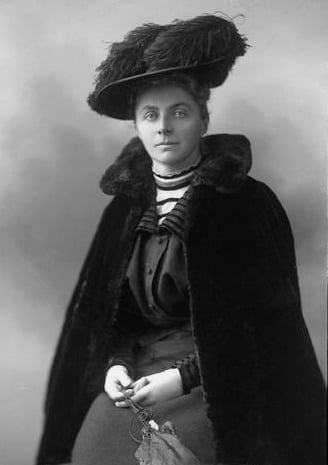
Emily Hobhouse was a pacifist who campaigned against the Boer War
She set up a fund to help Boer families in 1900 but received very few contributions apart from the generous aid given by Quakers
In December 1900, she travelled to South Africa and investigated conditions all across the country
Despite being obstructed by the military, she gained access to some concentration camps
When she returned to England in May 1901, she gave the government a report, published in June 1901, which described:
Families living in overcrowded tents with no protection from the weather
Inadequate food supplies leading to most children being malnourished and unable to fight off disease
Contaminated water supplies leading to frequent deadly outbreaks of typhoid
Measles, which was a major killer of children in the camps
By the end of the war, disease and poor conditions had killed approximately 28,000 Boers, mostly children, and at least 14,000 Black Africans in separate camps
Hobhouse campaigned for an end to families having their homes and farms destroyed and being forced to live in concentration camps
Her campaign won the support of many members of the Liberal Party
The Fawcett Commission
Hobhouse's campaigning led to the government commissioning its own report into the conditions in the concentration camps
It was led by Millicent Fawcett, and her report supported all of Hobhouse's findings
It led to the camps being taken out of the control of the Army and given to civil authorities
This led to rapid improvements and a drop in deaths from diseases in the camps
Opposition to the war
Although most of the newspapers and British public supported the war, a sizeable minority were against it
This included those who were against imperialism and capitalism
They argued that the war was just a way to gain control of the gold deposits discovered in another country
Irish Nationalists, who argued for Irish independence from Britain, were also against the war
They saw the Boers as fellow strugglers against the imperialist British
Political opposition
The war split the Liberal Party, which was in opposition
Liberal Imperialists such as Asquith, Grey and Haldane supported the war
A smaller group of radicals, nicknamed 'pro-Boers', opposed it
The Liberal leader, Sir Henry Campbell-Bannerman, tried to hold the two sides together
Henry Campbell-Bannerman
Campbell-Bannerman accepted that the war had to be won, but he increasingly criticised how it was being fought
In June 1901, he met Emily Hobhouse and heard her evidence about the camps
A few days later, he asked in a speech “When is a war not a war?” and answered that it was when it was “carried on by methods of barbarism in South Africa”
The speech angered Liberal Imperialists and the pro-war press
However, it gave national publicity to the camps and made it more acceptable to criticise the way the war was fought
David Lloyd George
Lloyd George was a young Welsh Liberal MP and the best-known “pro-Boer”
He argued that the war was being fought for the profits of mine owners, not for the rights of British settlers
In Parliament, he attacked the government over the death rate in the camps
His views made him deeply unpopular with much of the public
In December 1901, a pro-war crowd rioted at his meeting in Birmingham Town Hall, and he escaped disguised as a policeman
The impact of the opposition
At first, the opposition had limited impact
In the khaki election of October 1900, the Conservatives under Lord Salisbury won a large majority by presenting the war as patriotic and the Liberals as divided
Over time, criticism of the camps and the cost of the war changed opinion
The Liberals, led by Campbell-Bannerman, won a landslide election victory in 1906, although mainly on domestic issues such as tariff reform
How far did the Second Boer War change public attitudes to empire and war?
The argument that the Boer War significantly changed attitudes
The early enthusiasm for the war was badly damaged by the humiliating defeats of Black Week in December 1899
The cheap and rapid victory that many were expecting failed to appear
Instead, it was a war that was expensive in both money and lives
The reporting exposed the British public to the horrific realities of modern, industrial warfare
Descriptions of mutilated bodies and soldiers being exhausted and psychologically overwhelmed were read by millions of British people
This altered many people's romantic and heroic views of warfare
The conditions in the concentration camps, highlighted by Emily Hobhouse, caused a major controversy
British policy was attacked as being barbaric, and it caused people to question whether Britain was on the side of civilisation
The argument that the Boer War failed to significantly change attitudes
The Boer War actually triggered 'khaki fever', an intense form of patriotism that involved a rush to join the Army
British military victories and the relief of besieged towns led to enormous public celebrations
The relief of Mafeking in May 1900 saw particularly enthusiastic celebrations, and this was not in the first weeks of the war
The Boer War appeared to strengthen the Empire
Troops from Canada, Australia, New Zealand and India all contributed and gave the impression of a more united Empire
Much of the criticism was centred on how the war was being fought, not about war or the Empire in general
People could be opposed to concentration camps but broadly in support of the war's aims and the Empire in general
The Boer War did not result in the end of imperialism
Both the Orange Free State and the Transvaal became part of the British Empire
The Empire continued to be celebrated through events such as Empire Day throughout the Edwardian period and into the 1930s
Most of the public stayed pro-war in 1900
The Daily Mail outsold the anti-war papers, and the government won the khaki election
Judgement
The unexpectedly high costs in lives and money, the graphic newspaper reports and the concentration camp scandal caused some to change their uncritical approach to Britain's Empire and the wars it fought
However, this did not result in a widespread rejection of the Empire or warfare as a way of maintaining the Empire
Rather than leading to outright attacks on the idea of the British Empire, it led to criticism of military methods by people who remained broadly patriotic
Examiner Tips and Tricks
Questions on public attitudes to the Boer War often ask whether opinion changed, or how far it turned against the war. To answer well, show how attitudes changed at different stages of the war, rather than treating 1899–1902 as one block.
Organising your evidence by stage works well:
1899: enthusiasm when war broke out, then shock after Black Week, followed by a rush of volunteers
1900: celebrations at the relief of Mafeking and the government’s victory in the khaki election, which suggest most people still supported the war
1901–02: growing criticism after Emily Hobhouse exposed the camps and Campbell-Bannerman condemned “methods of barbarism”, although Lloyd George was still attacked by pro-war crowds
Make sure your answer is balanced. A common mistake is to write mostly about Hobhouse and the concentration camps. That only shows one side, so weigh it against the evidence that support for the war stayed strong, such as the pro-war Daily Mail and the khaki election.

Unlock more, it's free!
Join the 100,000+ Students that ❤️ Save My Exams
the (exam) results speak for themselves:

Was this revision note helpful?
