The Sign of the Four: Writer's Methods and Techniques (AQA GCSE English Literature): Revision Note
Exam code: 8702

Writer’s Methods and Techniques
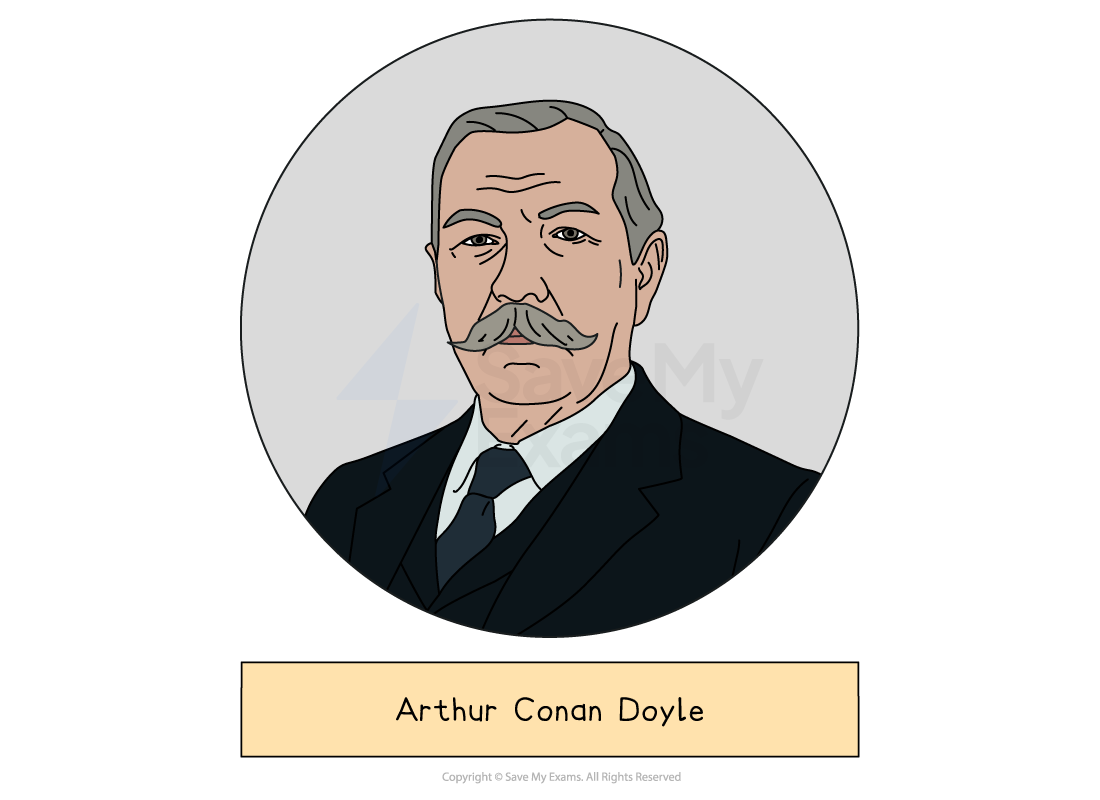
‘Methods’ is an umbrella term for anything the writer does on purpose to create meaning. Using the writer’s name in your response will help you to think about the text as a conscious construct and will keep reminding you that Conan Doyle purposely put the text together.
Examiner Tips and Tricks
Examiners warn that naming a device earns nothing on its own. In this novel the most rewarding method is the narration, since Watson controls what the reader is allowed to notice.
For example, you could write: “Conan Doyle has Watson admire Holmes without understanding him, so the reader is impressed at exactly the moments Watson is confused”. Explaining what a narrator misses, and what the reader sees instead, is genuine analysis.
Form and structure

The Sign of the Four uses a linear narrative structure which enables the reader to follow the events in a logical sequence:
The structure of the novella includes a series of clues and revelations that gradually unfold as the narrative progresses
Conan Doyle uses this to engage the readers and encourages them to actively participate in the detective aspect of the narrative
Conan Doyle employs a dual plot structure, intertwining two distinct plotlines throughout the narrative:
The first plotline revolves around the mysterious Agra treasure, while the second focuses on a murder mystery
The parallel development of these two plotlines enhance the pace and tension of the narrative
The novella can be interpreted as following a three-act structure:
The first act establishes the foundation of the plot and introduces the main characters and the central mystery
The second act of the novella depicts tension and suspense and introduces many twists and turns which drive the plot forward
The final acts brings the central conflict to its resolution where the truth is finally revealed and the loose ends of the mystery are tied up
Genre

The Sign of the Four is considered a classic example of the detective genre and it embodies several characteristics and elements that are typical of this genre:
Detective figure: The novel features the detective Sherlock Holmes as the central character with exceptional deductive reasoning and observation skills
Crime: The plot revolves around a crime, namely the mysterious disappearance of Captain Arthur Morstan and the subsequent unravelling of a complex web of intrigue and deceit
Puzzles and clues: The mystery of the Agra treasure and the anonymous gifts of pearls to Miss Morstan serve as the central puzzles that drive the narrative
Suspense and tension: The unfolding of the investigation, the pursuit of the culprits and the danger faced by the characters contribute to the building tension
Logical deduction: Sherlock Holmes’ deductive reasoning is a hallmark of the detective genre and he carefully examines the available evidence, draws logical inferences and uses his intellect to solve the mystery
Narrative

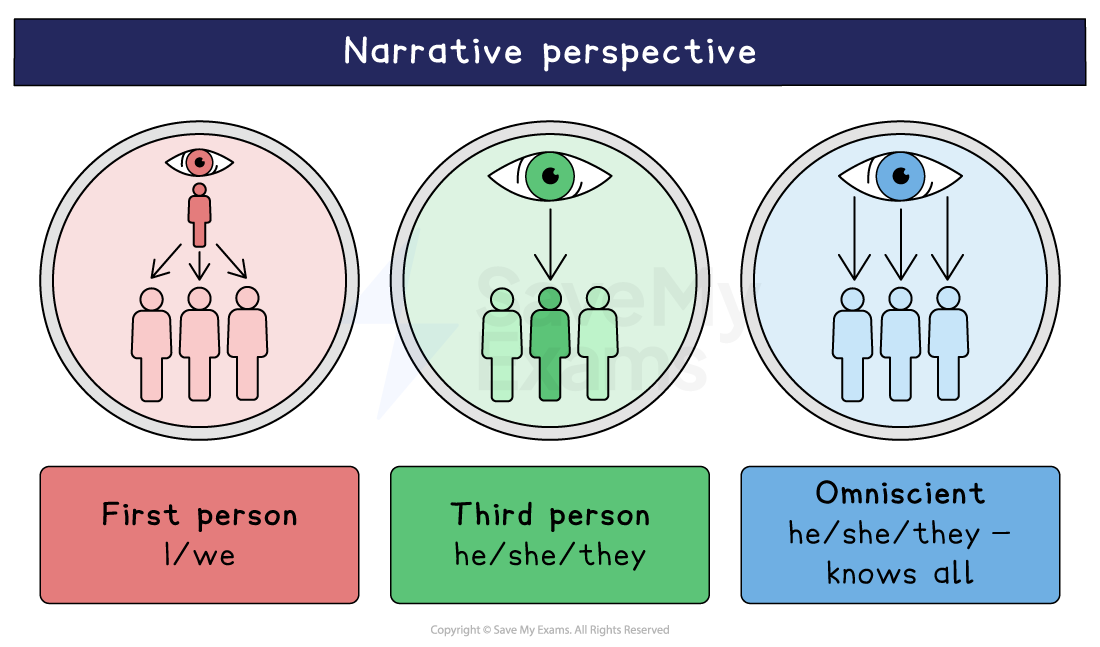
The novella is predominantly written in the first person by Watson:
The use of first person adds depth and intimacy to the narrative, allowing the reader to experience the events through Watson’s perspective
His limited perspective also adds to the suspense of the narrative
His voice is characterised by a sense of credibility, rationality and empathy:
As he is portrayed as a competent and rational character, this makes him appear trustworthy and relatable
Further, his background as a doctor adds to his credibility and attention to detail, which ensures the reader views the events with a sense of confidence in the accuracy of his narrative
Watson’s narrative voice also allows for introspection and personal reflection which demonstrates his character development throughout the novella
Whilst Watson serves as the primary narrator, on some occasions other sections are narrated by the other characters
Having Watson as the primary narrator also serves to highlight Holmes’ deductive ability and keen observations
Symbolism and foreshadowing

The Agra treasure serves as a symbol of greed and its corrupting influence
The treasure’s allure drives characters to commit heinous acts and become consumed by their desire for wealth
The River Thames holds symbolic significance on several levels:
It serves as a physical and metaphorical boundary that the characters must navigate, representing the adventure and danger they encounter
It acts as a dividing line between different areas of London and serves as a geographical barrier between wealth and poverty, order and chaos
It also symbolises transition and transformation as the characters often traverse the river during pivotal moments in the narrative, marking significant shifts in their journeys
Conan Doyle uses foreshadowing throughout the novella:
For example, Sholto’s behaviour hint at deeper secrets and unresolved issues which foreshadows his eventual involvement in the mystery and his connection to the treasure
Further, Conan Doyle uses foreshadowing to create a sense of foreboding and unease as the events unfold, suggesting there are more dangerous elements at play:
For example, when the characters embark on a journey along the River Thames, the darkness, isolation and the uncertain nature of the voyage evoke a sense of imminent danger and suspense
This foreshadows the perils the characters will face as they get closer to unravelling the mystery
Sources
Doyle, Arthur Conan. “The Sign of the Four.” Project Gutenberg. https://www.gutenberg.org/files/2097/2097-h/2097-h.htm.

Unlock more, it's free!
Join the 100,000+ Students that ❤️ Save My Exams
the (exam) results speak for themselves:

Was this revision note helpful?
Build on this topic