Geometry of Vector Addition & Subtraction (SQA National 5 Maths): Revision Note
Exam code: X847 75

Adding & subtracting with directed line segments
How can I represent a vector visually?
A vector has both a size (magnitude) and a direction
You can represent this using a directed line segment
You need to draw a line to show the size of the vector
You also need to draw an arrowhead to show the direction of the vector
The arrowhead can be drawn at the end of the line, or in the middle of the line

A vector written as will have points and as its endpoints
Here the arrow will point towards B
Vector will have the same length but will point towards A

How do I draw a vector on a grid?
You can draw a vector anywhere on a grid
Just make sure it has the correct length and the correct direction
To draw the vector
Pick a point on the grid and draw a dot there
Count 3 units to the right and 4 units up and draw another dot
Draw a line between the two dots
Put an arrow on the line pointing toward the second dot
Look out for negatives and zeroes
goes 2 to the right and 4 down
goes 2 to the right but does not go up or down

What happens when I multiply a vector by a scalar?
When you multiply a vector by a positive scalar:
The direction stays the same
The length of the vector is multiplied by the scalar
For example,
will have the same direction but double the length
will have the same direction but half the length

When you multiply a vector by a negative scalar:
The direction is reversed
The length of the vector is multiplied by the number after the negative sign
For example,
will be in the opposite direction and its length will be the same
will be in the opposite direction and its length will be doubled

How do I represent addition or subtraction of vectors using directed line segments?
To draw the vector
Draw the vector
Draw the vector starting at the endpoint of
Vector is the line that starts at the start of and ends at the end of
To draw the vector
Draw the vector
Draw the vector starting at the endpoint of
Vector is the line that starts at the start of and ends at the end of

Worked Example
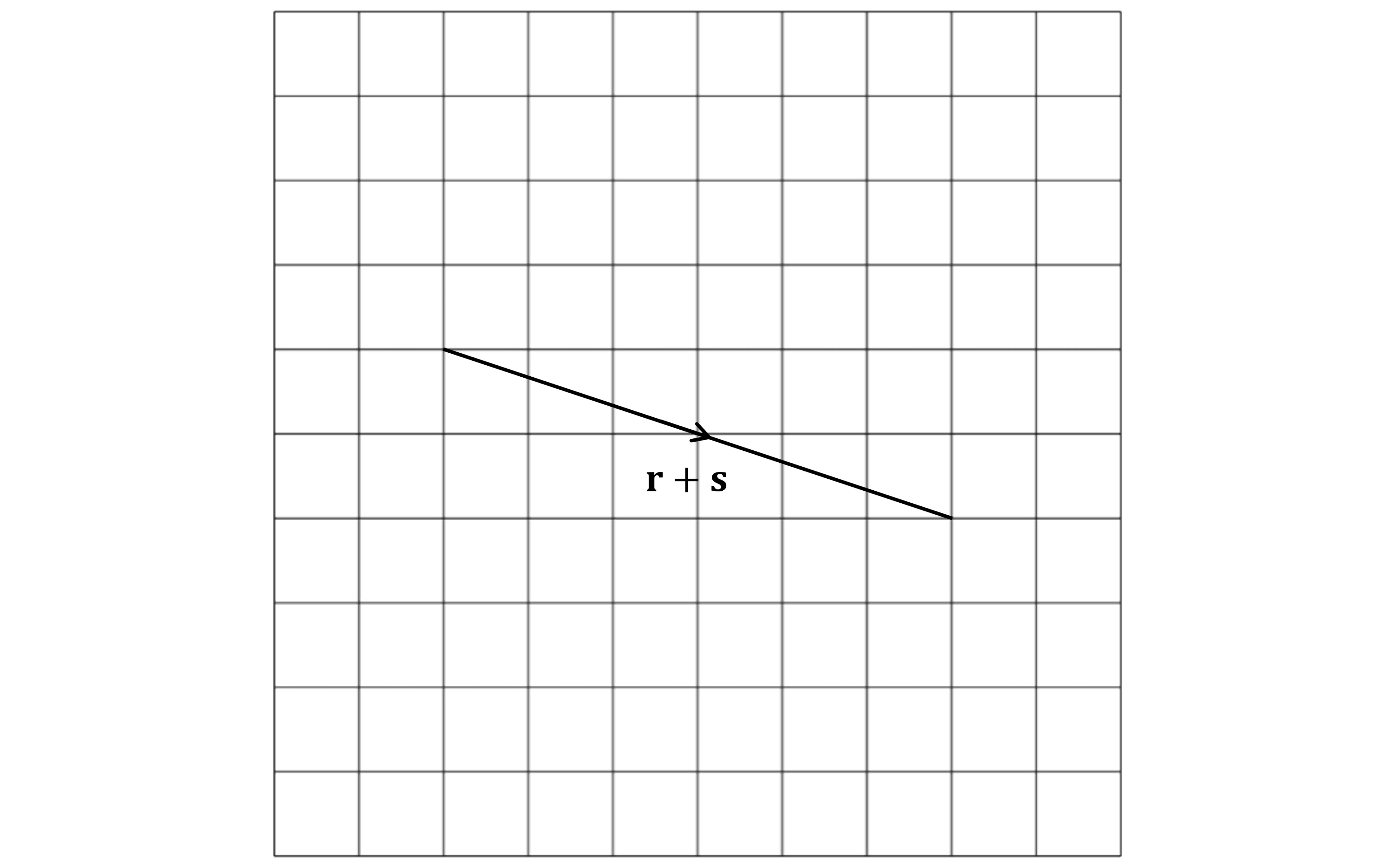
Vectors and have components and .
Draw the resultant vector on the grid.
Answer:
Method 1
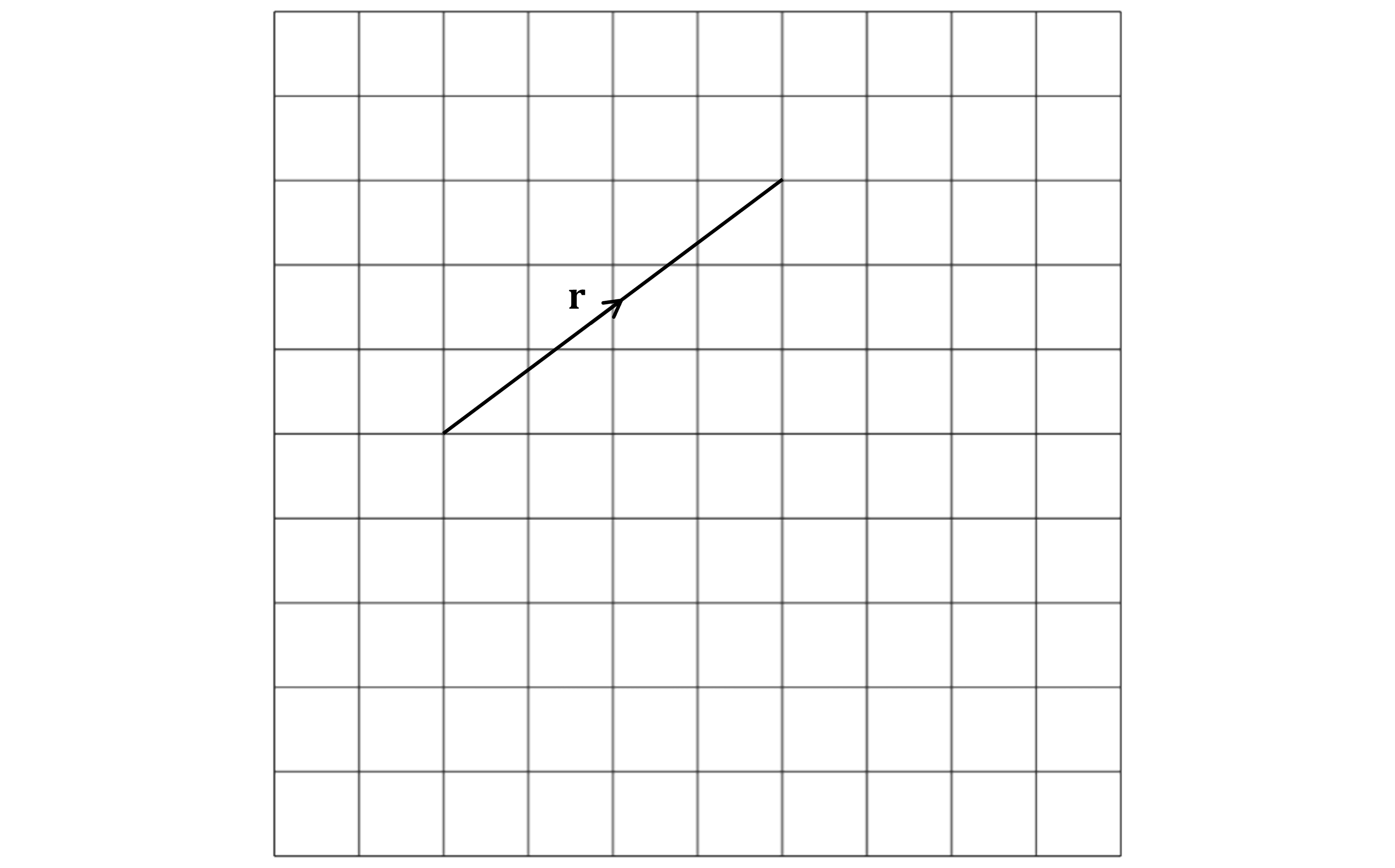
Start by drawing vector
It can start anywhere (as long as everything in the final diagram fits!)
From where it starts, it should go 4 squares to the right and 3 squares up
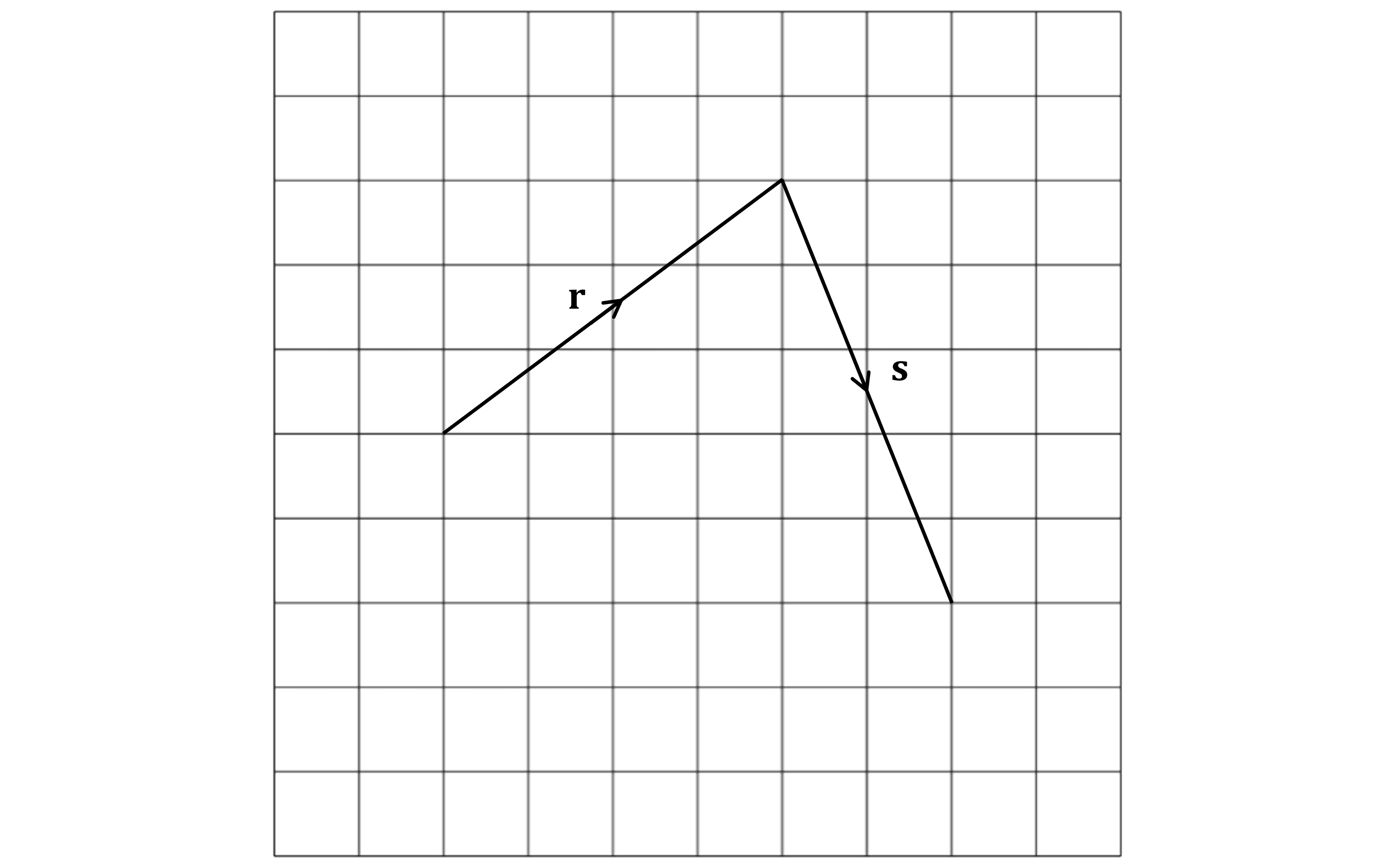
Next draw vector
To indicate , it should start where vector ends
Then it should go 2 squares to the right and 5 squares down
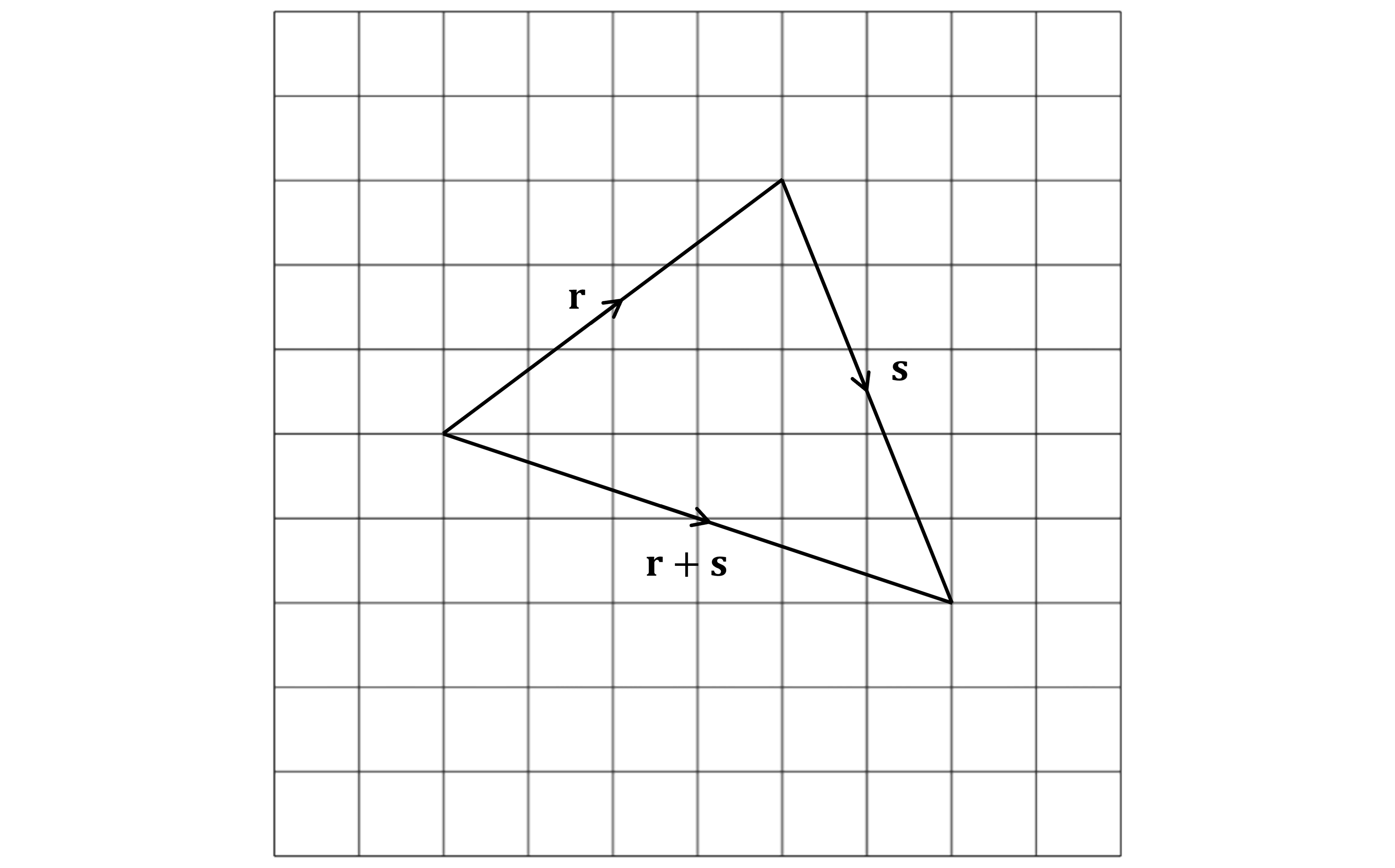
Finally draw the vector
It should start at the beginning of and go to the end of
Be sure to include an arrowhead pointing in the right direction
Method 2
Calculate numerically
Draw and label this vector on the grid
It can start anywhere (as long as it fits!)
From where it starts, it should go 6 squares to the right and 2 square down
Be sure to include an arrowhead showing which way the vector points

Unlock more, it's free!
Join the 100,000+ Students that ❤️ Save My Exams
the (exam) results speak for themselves:

Was this revision note helpful?
Build on this topic
