Marginalised, Vulnerable or Most-affected Groups & Individuals (DP IB Global Politics: HL): Revision Note

Impact of armed conflict on civilians
Civilians are people living in a state who are not directly involved in the conflict
They are at risk in conflict and are often targeted
Civilians in conflict zones face the persistent threat of violence and disruption to daily life
Infrastructure is often targeted in an armed conflict; this can lead to many essential services being disrupted, including
power
water
bridges, roads, railways and ports
healthcare
education
Mental health crises unfold as people struggle to cope with violence and uncertainty
Economic collapse can occur as the government prioritises the conflict
Many people are displaced from their homes, internally or internationally, losing their homes, employment and community
Case Study
The impact of armed conflict on civilians in Gaza
The conflict in Gaza, which began following the Hamas attack on Israel on 7 October 2023 and the subsequent Israeli military response, illustrates the devastating impact of armed conflict on civilian populations
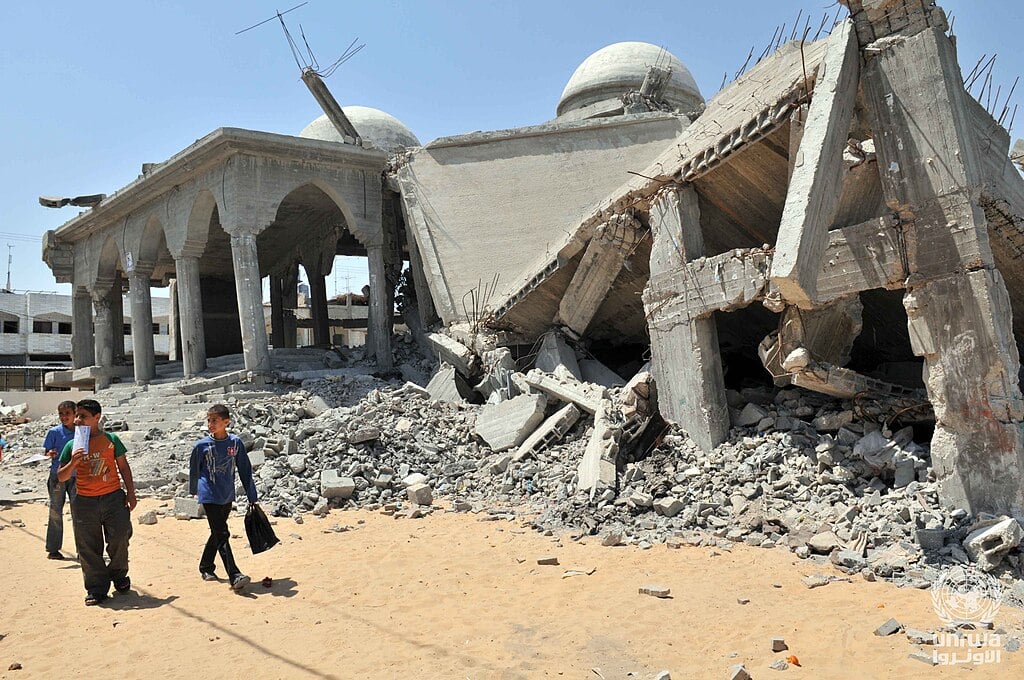
By Shareef Sarhan - UNRWA: United Nations Relief and Works Agency for Palestine Refugees in the Near East, CC BY-SA 3.0 igo
Targeting of civilians and infrastructure
UN agencies documented widespread destruction of hospitals, schools, water treatment facilities and power stations
By early 2025, over 50,000 Palestinians had been killed according to UN figures, the majority of whom were civilians
At points during the conflict, only approximately 10% of Gaza's water infrastructure remained functional
Displacement
Over 90% of Gaza's population of approximately 2.1 million people were displaced, many multiple times, with most having nowhere safe to flee within the territory
Economic collapse and famine
Economic activity effectively ceased as businesses were destroyed and supply chains collapsed
The UN reported famine conditions in parts of northern Gaza
Mental health crisis
UNICEF reported severe psychological trauma among children
Aid workers described a population-wide mental health emergency affecting virtually every family
Significance
Gaza demonstrates how civilians bear the heaviest burden of armed conflict, losing not only physical safety but homes, livelihoods, healthcare and community
It illustrates how the targeting of infrastructure multiplies the human cost of conflict far beyond the immediate violence
Targeted violence against vulnerable people
Targeted violence is deliberate acts of harm directed at specific individuals, groups, or communities because of who they are or what they represent
Vulnerable people are likely to experience targeted violence in conflict at the hands of combatants
Women
According to the UN, conflict results in higher levels of targeted gender-based violence against women and girls, including arbitrary killings, torture, sexual violence and forced marriage
Sexual violence against women and girls increased 87% in conflicts studied between 2022 and 2024
Over 10 million pregnant and breastfeeding women were severely malnourished in 21 conflict zones in 2024
Surviving women and girls are left with severe mental and physical trauma, impacting their future lives
Children
According to NGO Save the Children, the impact of violent conflict on children is devastating
520 million children are currently living in conflict zones
Children are targeted with physical, sexual and psychological violence in conflicts
Between 2022 and 2024, there was a 70% increase in children being targeted with violence in conflict
Schools are specifically targeted, causing the deaths of countless children
Children are forced to become soldiers and commit atrocities by rebel groups
Many are traumatised by what they have seen and withdraw emotionally and/or become violent themselves, leading to a life of trauma
The abuse of children has long-lasting consequences and impacts peacebuilding and development for generations to come
Other vulnerable groups, including the elderly and people with physical and mental disabilities can also be the targets of violence
Case Study
Targeted Violence Against Vulnerable People in Sudan
The conflict between the Sudanese Armed Forces (SAF) and the Rapid Support Forces (RSF), which began in April 2023, illustrates how women, girls and children bear a disproportionate burden of targeted violence in armed conflict
Violence against women and girls
UN experts documented the RSF's systematic use of sexual violence as a weapon of war, particularly in Darfur, describing it as potentially genocidal in intent
Mass rapes were reported in El Fasher, with Médecins Sans Frontières treating large numbers of survivors
Surviving women and girls face severe physical and psychological trauma with little access to medical or mental health support
Violence against children
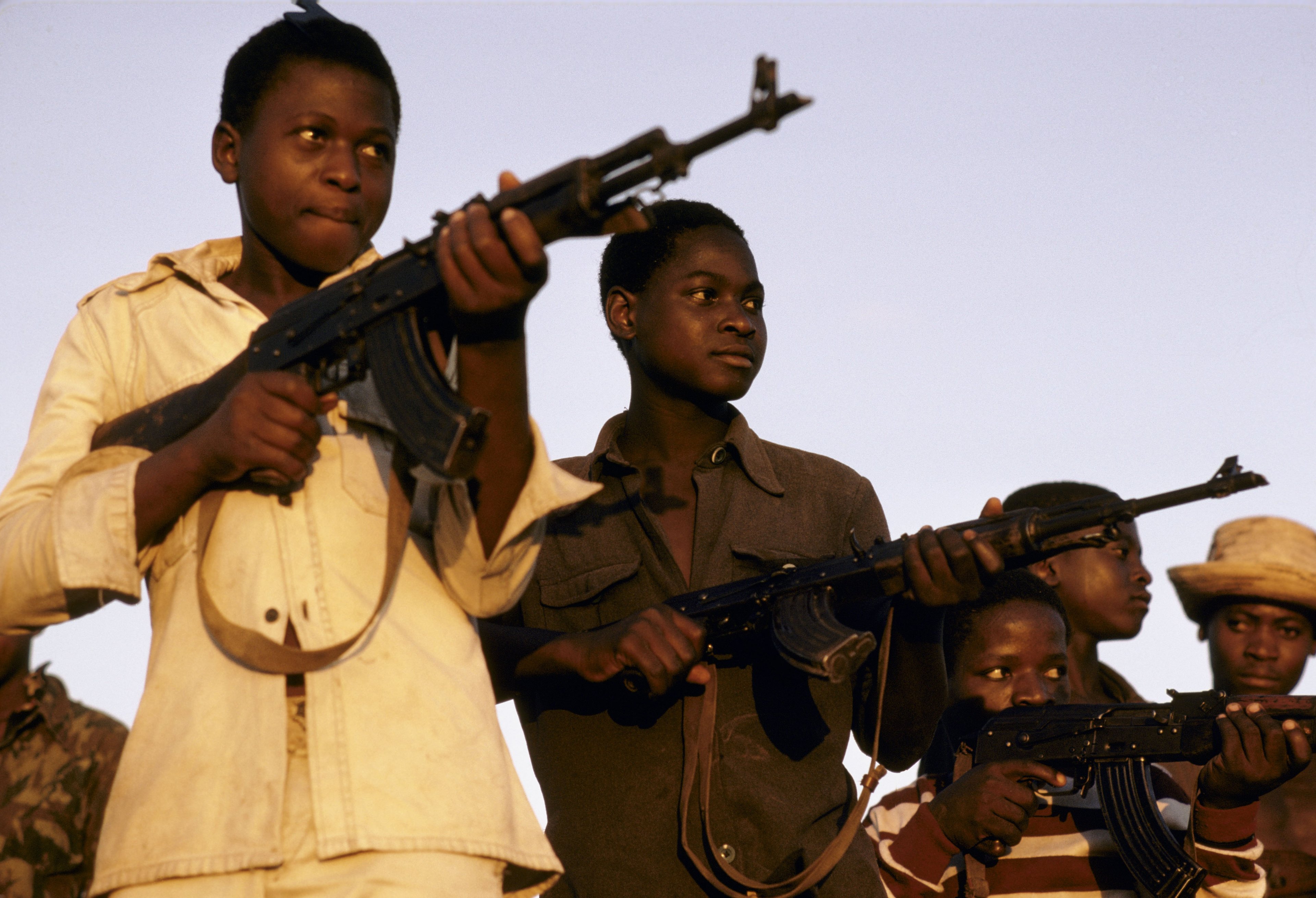
Both the SAF and RSF recruited children as soldiers and porters
Schools were occupied by armed groups, denying children access to education and placing them at direct risk
UNICEF reported millions of Sudanese children exposed to extreme violence, with severe consequences for their psychological development
Wider vulnerability
By 2025, Sudan had the world's largest internal displacement crisis, with over 12 million people forced from their homes
Elderly people and those with disabilities were frequently unable to flee, leaving them exposed as communities collapsed
Significance
Sudan demonstrates that targeted violence against vulnerable groups is often deliberate and used to terrorise communities and destroy social structures
The long-term consequences for children who have witnessed or experienced violence will shape Sudan's peacebuilding prospects for generations

Unlock more, it's free!
Join the 100,000+ Students that ❤️ Save My Exams
the (exam) results speak for themselves:

Was this revision note helpful?