Measuring Economic Development (DP IB Global Politics: HL): Revision Note

Why measure economic development?
Economic development refers to improvements in the material standard of living within a state
Measuring economic development allows comparisons to be made between states and over time
This helps governments and IGOs identify where support is needed
The two most widely used economic measures are
Gross Domestic Product (GDP)
Gross National Income (GNI)
Both measures focus on income and output
However, neither captures the full picture of how well people in a state are actually living
This is why economic indicators are often used alongside social, political and environmental measures
Gross domestic product (GDP) and GDP per capita
GDP is the total value of all goods and services produced in a state
Commonly used to measure economic development
A simple and easy way to measure a state’s wealth
Measured over a period (annually or quarterly) and is expressed in US$
GDP per capita is a state's total GDP divided by the number of people living in the state
GDP per capita is more informative than GDP alone because it takes into account the number of people (population) sharing that wealth
World GDP per capita in 2022
This GDP per capita map provides a general overview of the economic wealth of people in different states
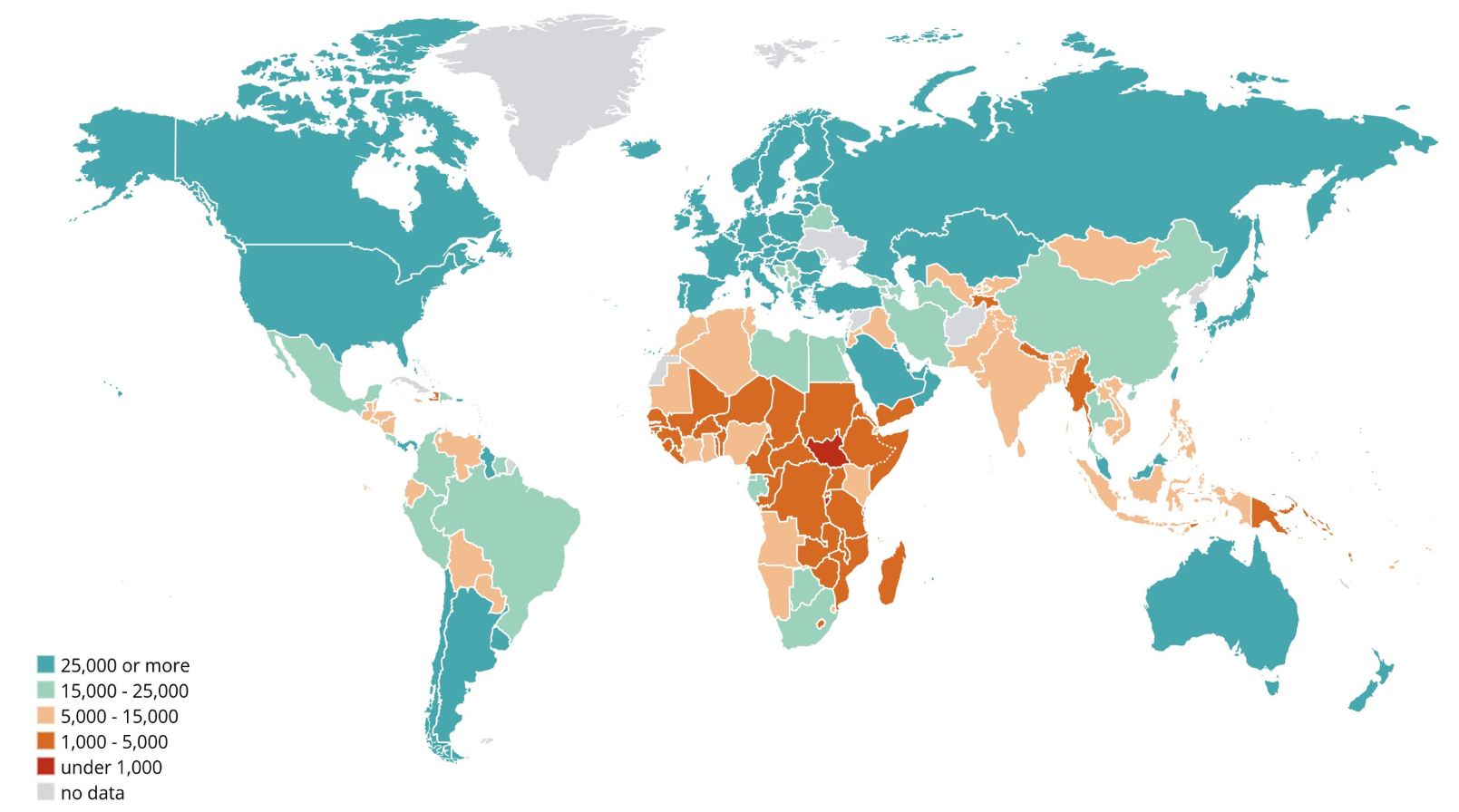
Using GDP and GDP per capita to measure economic development has limitations
It only measures economic activity and does not consider the sustainability of this activity
GDP per capita does not indicate how the wealth is divided or distributed in society
Gross national income (GNI)
GNI is Gross Domestic Product plus all income earned abroad by residents (and companies)
GNI per capita is the total income divided by the number of residents in a state
GNI can be higher or lower than GDP depending on the balance of income flows
Companies and individuals have high profits from foreign sources and bring this money “home”
Individuals may be earning large salaries or investment income from abroad
Workers may cross borders to work and therefore the income they bring back to their home country contributes to GNI
World Bank income groups, 2024
The World Bank's income classification divides countries into four categories based on their gross national income (GNI) per capita
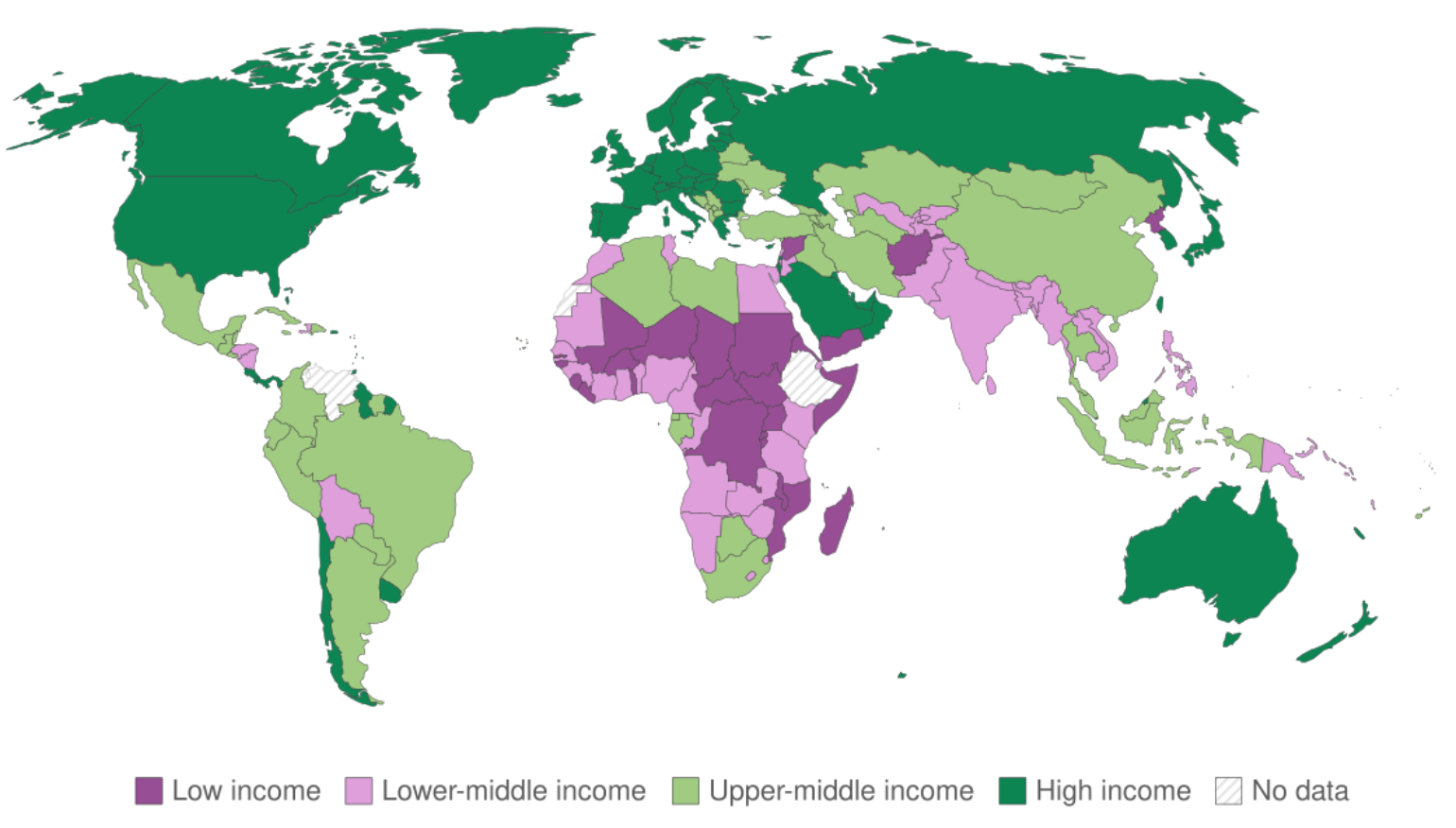
Using GNI per capita to measure economic development also has limitations
GNI per capita gives an average, so it can hide large inequalities
A country may appear developed even if most people are poor and only a small group is very wealthy
GNI only shows economic output and income, not factors like healthcare, education or living conditions, so it does not fully reflect people’s standard of living

Unlock more, it's free!
Join the 100,000+ Students that ❤️ Save My Exams
the (exam) results speak for themselves:

Was this revision note helpful?
