Debates About Sustainable Development (DP IB Global Politics: HL): Revision Note

Models of sustainable development
Sustainable development is a challenging concept
At its core sustainable development is being able to meet the needs of the present without damaging the needs of the future
Sustainable development is often equated with environmental development, but a more comprehensive definition should be considered
Sustainable development as a multifaceted concept
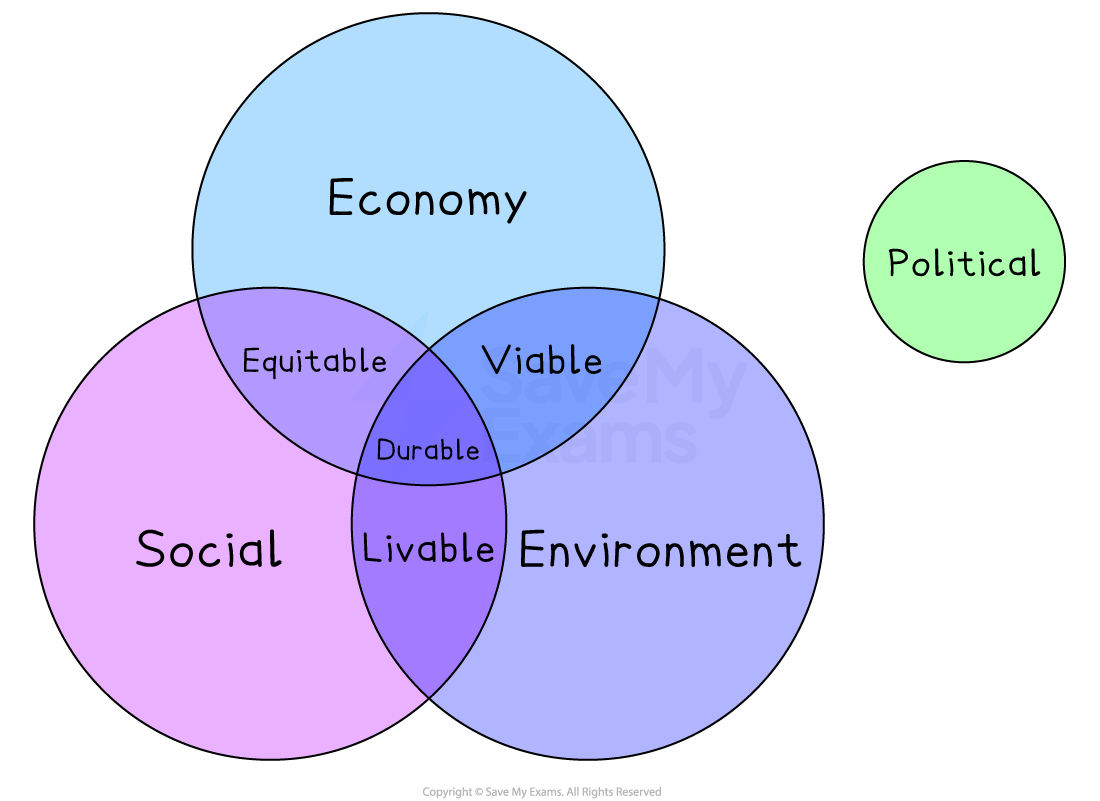
Economic development should not be prioritised
If social and environmental development are ignored, economic benefits will not be long-lasting
However, economic development cannot be ignored
Infrastructure to support environmental and social development is costly
Social development provides people with the skills and knowledge to support long-term economic and environmental improvement
Political development is prioritised by some models
They claim greater social power best supports sustainable development
Other models do not see this as an essential component of sustainable development
Case Study
The Maldives
The Maldives is a small island state in the Indian Ocean, made up of 1,192 coral islands with an average elevation of just 1.5 metres above sea level
It illustrates the tension between economic development and environmental survival more acutely than almost any other state
Economic development
Tourism accounts for approximately 25–30% of GDP and over 60% of foreign exchange earnings
This funds infrastructure and contributes to a relatively high HDI score
However, this economic model depends entirely on coral reefs, clean water and biodiversity
This creates a direct conflict between economic and environmental development
Environmental threat
Sea levels are rising at approximately 3.6mm per year
Much of the Maldives could be uninhabitable by 2100
Rising ocean temperatures have caused severe coral bleaching, damaging the ecosystems on which tourism and food security both depend
Political response
In 2009, President Nasheed held an underwater cabinet meeting to pressure wealthier states on climate action
This demonstrated how political development can be used to advance environmental goals
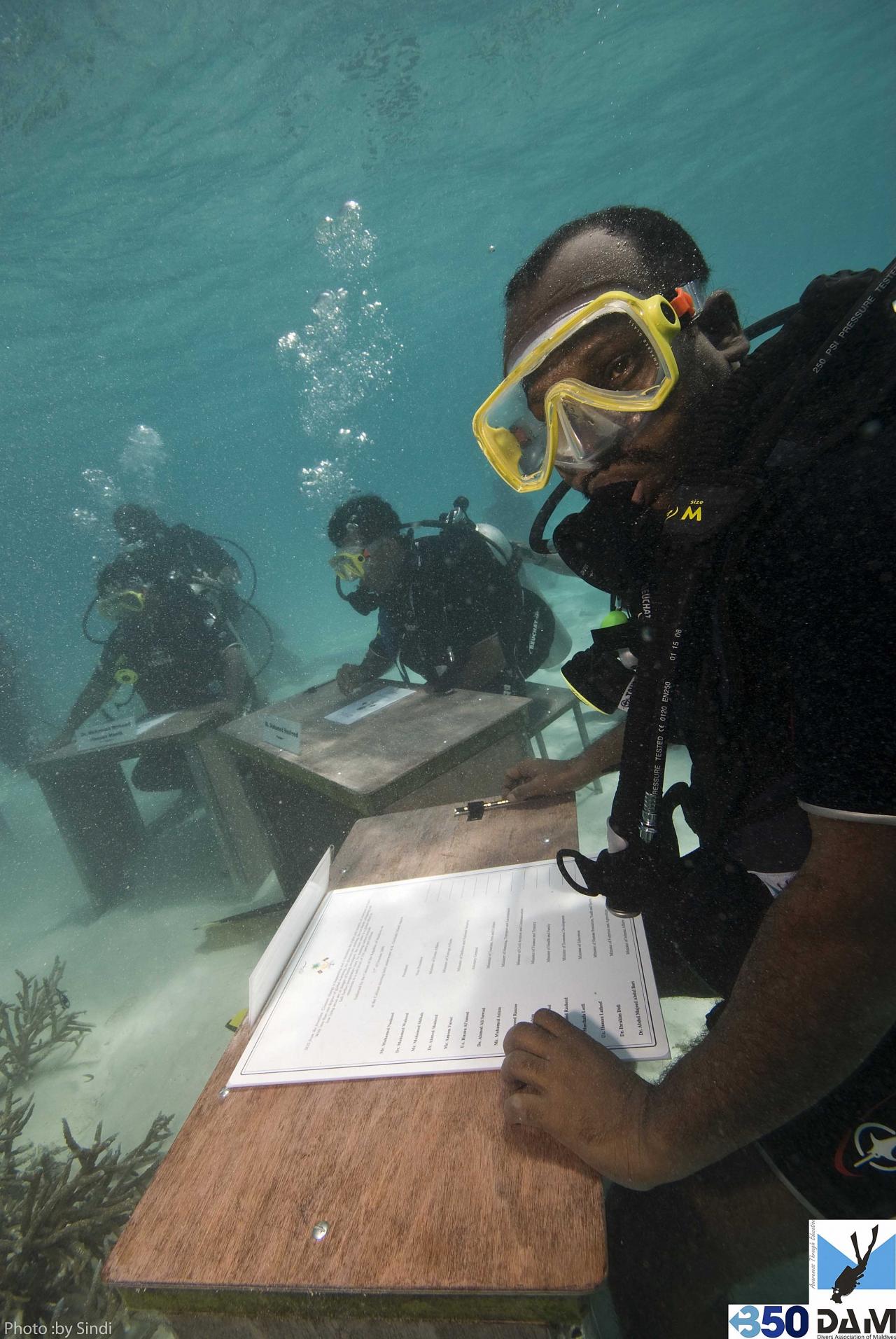
By Max Milas - Own work, CC BY-SA 4.0
The government has explored purchasing land in other states for long-term relocation - a stark illustration of what happens when environmental sustainability is ignored at the global level
Summary
The Maldives shows that economic development built on environmental foundations is only sustainable if that environment is protected
Without global action on climate change, the state's social and economic progress may ultimately count for nothing
Praise and criticism of the UN Sustainable Development Goals
The United Nations Sustainable Development Goals (SDG) were established in 2012 to unite the global community to address urgent environmental, social and political challenges facing the world
The goals have targets to be met by 2030
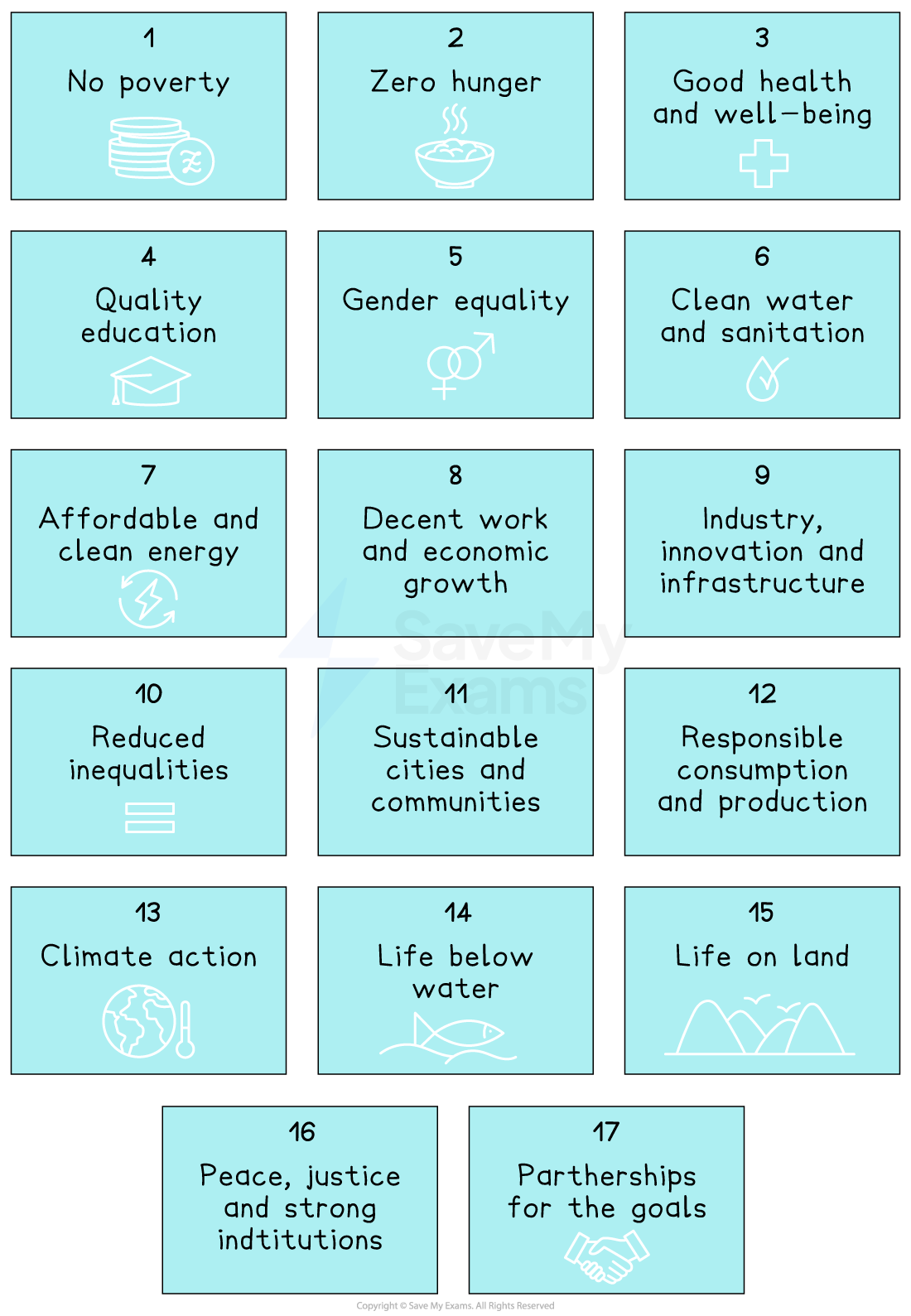
Evaluation of the United Nations Sustainable Development Goals
Praise for the Sustainable Development Goals | Criticism of the Sustainable Development Goals |
|---|---|
|
|

Unlock more, it's free!
Join the 100,000+ Students that ❤️ Save My Exams
the (exam) results speak for themselves:

Was this revision note helpful?
