Socially Linked Causes of Conflict (DP IB Global Politics: HL): Revision Note

Identity
Identity refers to the characteristics a person uses to define themselves, including religion, culture, history, gender, sexuality and occupation
A shared identity gives people a sense of belonging and community
Conflict can arise when a group feels its identity is under threat
Most conflicts have multiple causes - identity is rarely the only factor
Identity-based conflict
Identity-based conflict tends to emerge in societies where an 'us vs them' mentality develops
One group may feel its way of life is threatened by another, smaller group
The smaller group is dehumanised, which can lead to direct violence
These fears are often rooted in discrimination, including racism, homophobia and anti-immigrant sentiment
Examples of identity-based conflict
A series of attacks on an immigrant detention centre near Gatwick Airport, UK (2022–2025)
Transgender women facing increasing bullying, discrimination and threats of violence, both online and offline
Theoretical perspectives
Francis Fukuyama argues that identity can undermine social unity in democratic states
Conflict emerges when identity groups prioritise their own identity over a shared national identity
Stacey Adams disagrees, arguing that identity is necessary for democracy
Different identities are part of all societies and those who are marginalised should be able to celebrate their identities and contribute to society
Ideology
Ideology refers to a set of beliefs and values that shapes how a person or group understands the world
Differences in ideology can be a cause of conflict
Most conflicts have multiple causes - ideology is rarely the only factor
How ideology drives conflict
Ideology can provide a motive for collective violence - organised violence carried out by a group
It is often used to provide a moral justification for acts of brutality and violence
Ideology is sometimes used as an excuse to engage in conflict rather than being a genuine cause
Ideological conflict is more commonly found within a single state (intrastate conflict) than between states
The role of religion
Religious ideology has become an increasingly significant factor in conflict in recent years
Religious belief systems can be interpreted in ways that justify violence against those seen as outsiders or enemies
Ideology in combination with other causes
Many researchers argue that ideology alone is rarely the primary driver of conflict
It tends to combine with other factors, including competition over resources, political grievances and inequality
Case Study
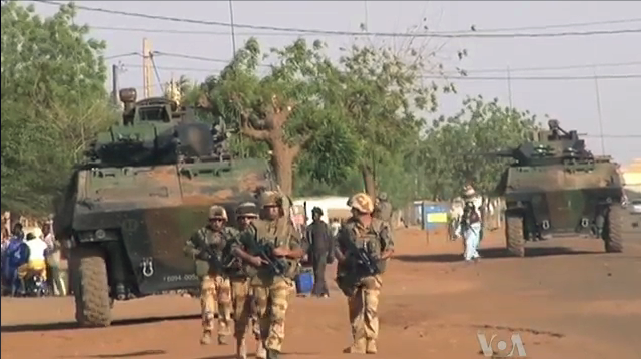
Ideology and conflict in Burkina Faso
Burkina Faso is a landlocked country in the Sahel region of West Africa
By VOA - VOA 1, Public Domain
Since 2015, it has experienced a severe and escalating jihadist insurgency — an armed uprising driven by extremist religious ideology
The conflict is an example of intrastate conflict with regional dimensions, involving multiple armed groups
Groups involved
JNIM (Jama'at Nusrat al-Islam wal-Muslimin, or Group for the Support of Islam and Muslims) - affiliated with al-Qaeda
IS Sahel (Islamic State in the Greater Sahara) - affiliated with the Islamic State
Both groups present themselves as defenders of a true interpretation of Islam
They use religious ideology to claim moral justification for their acts of violence against civilians and state forces
How ideology is used
The groups use Islamic ideology to recruit members and justify violence
Communities that do not conform to their interpretation of Islam are targeted
Ideology provides a framework that portrays violence as a religious duty, making it easier to recruit fighters and maintain loyalty
However, researchers argue that ideology alone does not fully explain the conflict
Other causes
The conflict combines ideological motives with competition over resources, including land and control of trade routes
State weakness and widespread poverty have created conditions in which armed groups can operate freely
Political instability, including two military coups in 2022, has further undermined the government's ability to respond
Impact
Over two million people have been displaced — one of the largest displacement crises in the world
Hundreds of civilian massacres have been recorded
Large areas of the country are beyond government control
The humanitarian situation continues to deteriorate
Socio-economic divisions
Within most states, some groups do not have the same social and economic opportunities as others
These divisions in society can be a source of conflict
Most conflicts have multiple causes — socio-economic division is rarely the only factor
Social divisions
Social divisions refer to inequalities in status, recognition and opportunity within a society
Some occupations being viewed as low-status or undesirable while others carry high prestige
Certain religions holding a privileged status above others
Some neighbourhoods within towns and cities being neglected and under-resourced while others receive investment
Economic divisions
Economic divisions refer to inequalities in wealth and income. These can include:
Large differences in income between the richest and poorest members of society
Extreme wealth existing alongside widespread poverty within the same country
Why divisions lead to conflict
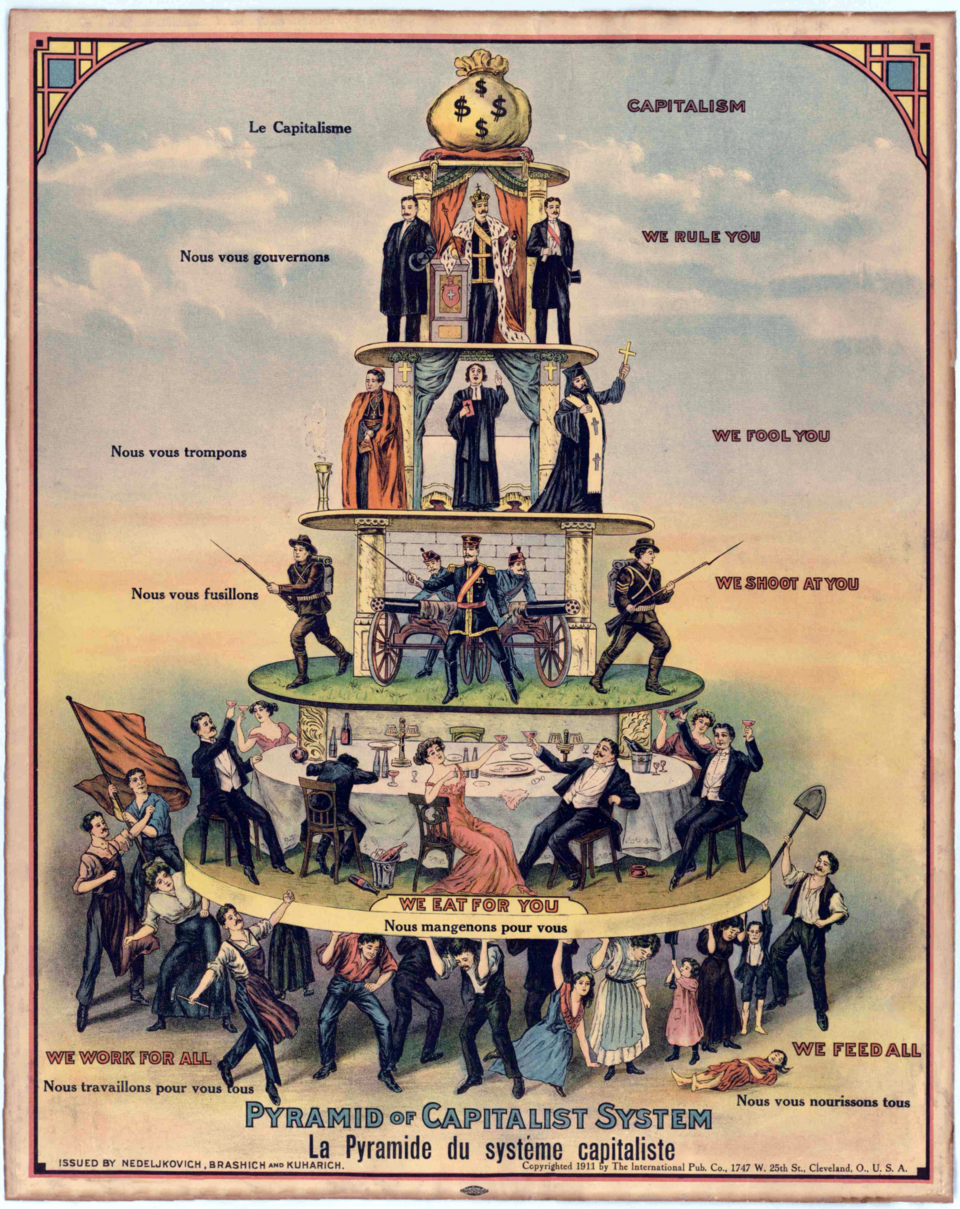
Those at the bottom of society may feel resentment towards those with more power and resources
Over time, this can build into organised resistance or political conflict
Theoretical perspective
Marxist and neo-Marxist thinkers argue that socio-economic divisions will inevitably lead to conflict
Those at the bottom of society become unwilling to accept their situation and seek change through revolution

Unlock more, it's free!
Join the 100,000+ Students that ❤️ Save My Exams
the (exam) results speak for themselves:

Was this revision note helpful?
