Peacekeeping (DP IB Global Politics: HL): Revision Note
Intergovernmental initiatives
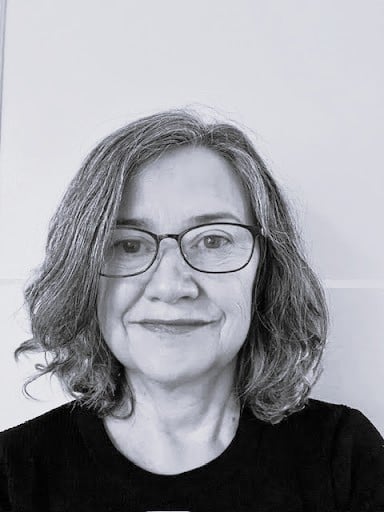
Peacekeeping is the deployment of international personnel to help maintain peace and stability in areas affected by conflict
It is mostly associated with the United Nations but other IGOs can also be involved
UN peacekeepers
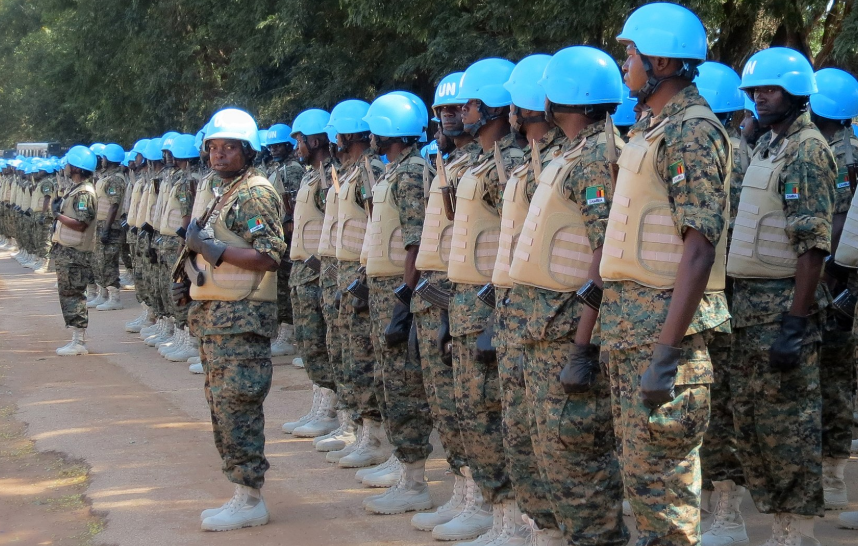
Troops from UN member states, often from same region as the conflict, are gathered and deployed to conflict zones to maintain security and protect civilians during the peacemaking process
They:
respect state sovereignty and only operate with the cooperation of state actors
do not generally have the authority to use force - sometimes the UN Security Council authorises the use of force
place themselves between conflicting parties to deter violence
can, themselves, be targets for violence
Criticism of UN Peacekeeping missions
Peacekeepers have difficult missions and struggle to keep civilians safe
Peacekeepers themselves have participated in human rights abuses, including sexual abuse of vulnerable women, leading to a great loss of legitimacy and calls for greater accountability
They are not well-funded
The global budget of approximately $6 billion per year is modest, given the scale and complexity of operations worldwide
Many member states fail to pay their full contributions on time, leaving missions short of essential resources such as vehicles, equipment and helicopters
Current peacekeeping missions involving the United Nations
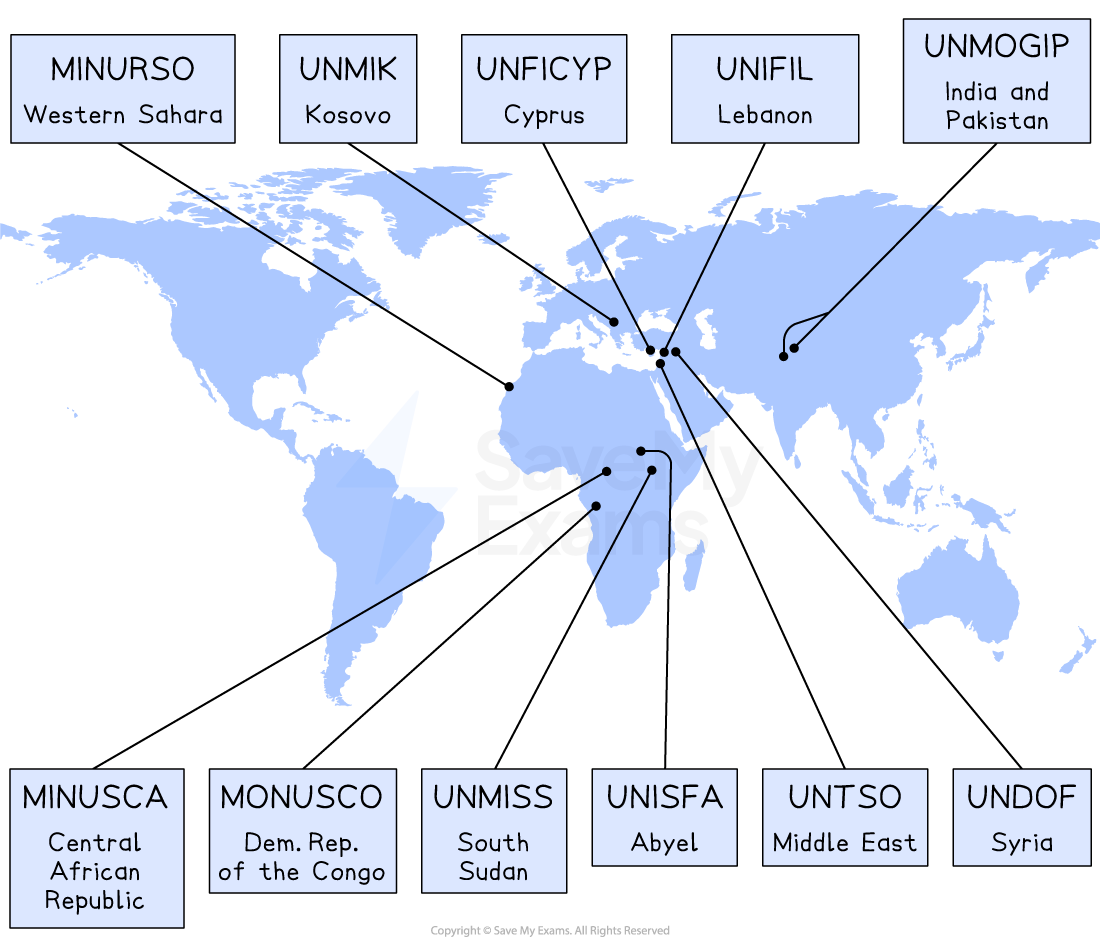
Mission | Location | What it does |
|---|---|---|
MINURSO | Western Sahara |
|
MINUSCA | Central African Republic |
|
MONUSCO | D.R. of the Congo |
|
UNDOF | Golan |
|
UNFICYP | Cyprus |
|
UNIFIL | Lebanon |
|
UNISFA | Abyei |
|
UNMIK | Kosovo |
|
UNMISS | South Sudan |
|
UNMOGIP | India & Pakistan |
|
UNTSO | Middle East |
|
Actors involved in peacekeeping
Other actors, including NGOs and humanitarian groups, are also involved in peacekeeping
These other actors work in cooperation with the United Nations peacekeepers
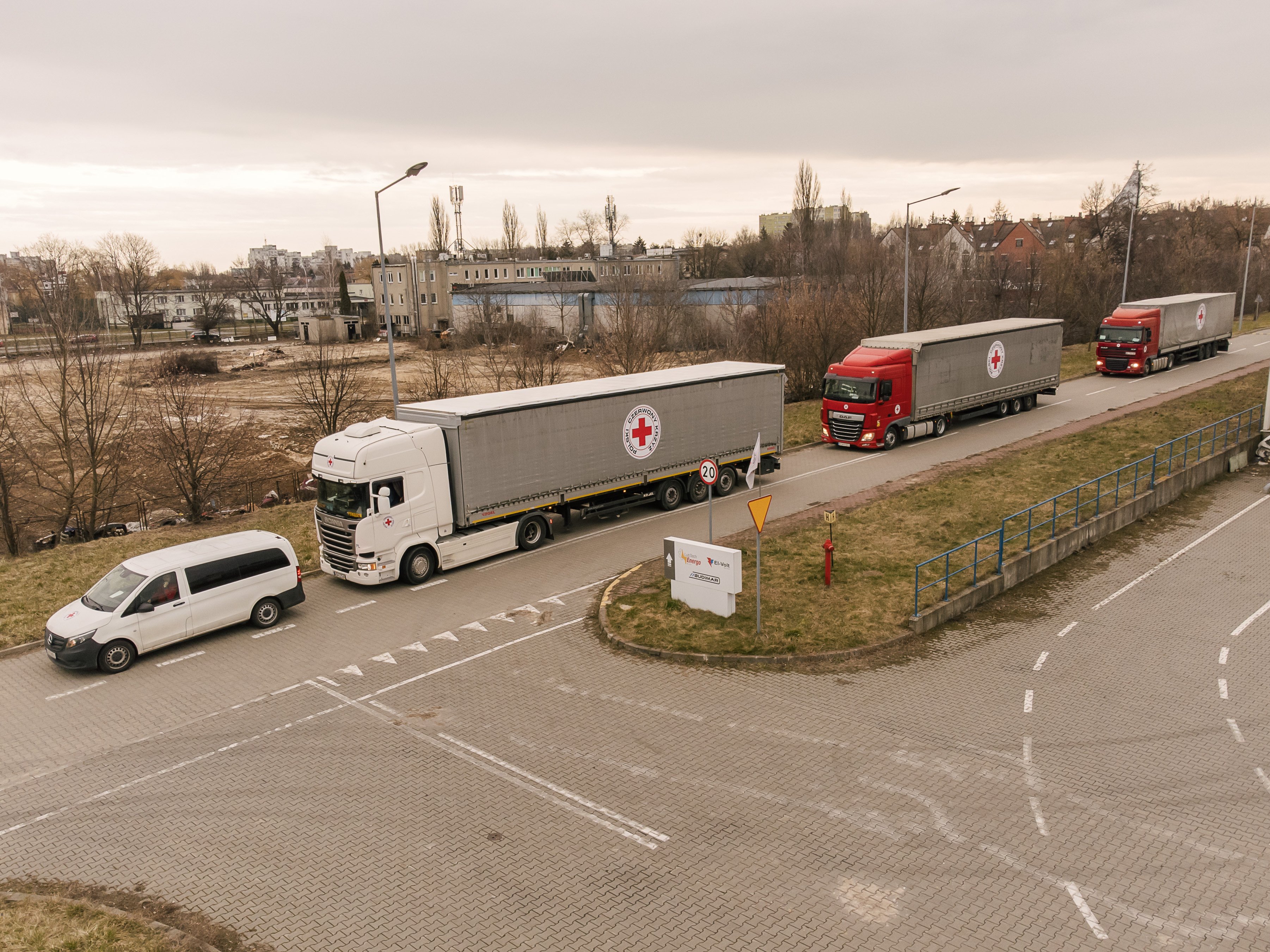
The International Red Cross (ICRC)
The ICRC provides protection and medical aid to victims of armed conflict
It operates under International Humanitarian Law (IHL), also known as the Geneva Conventions, which gives it a unique legal status in conflict zones
Its work includes delivering medical care, food and clean water, visiting prisoners of war, and reuniting separated families
Its principles of neutrality and impartiality allow it to gain access to areas other organisations cannot reach
Current deployments include Ukraine, Gaza, Sudan, South Sudan, the DRC and Myanmar
Case Study
The ICRC in Ukraine
Background
The ICRC has been present in Ukraine since 2014, following Russia's annexation of Crimea and the outbreak of conflict in eastern Ukraine
Following Russia's full-scale invasion in February 2022, the ICRC scaled up its operations across the country
What the ICRC has done
Delivered food, clean water and medical supplies to millions of civilians affected by the conflict, including in areas close to the front line
Provided funding and materials to support hospitals and health facilities damaged or overwhelmed by the conflict
Worked to reunite separated families and trace missing persons - a significant need given the scale of displacement
Visited prisoners of war held by both sides to monitor their treatment under the Geneva Conventions, though access has been inconsistent and at times refused
Challenges faced
The ICRC has faced serious security risks
Staff members have been killed
Warehouses storing humanitarian supplies have been damaged in attacks
Access to certain areas, particularly those under Russian control, has been severely restricted
The organisation has been criticised by some for not speaking out more forcefully about alleged violations of international humanitarian law, due to its policy of confidential dialogue rather than public condemnation
Why it matters
The Ukraine case illustrates both the vital role the ICRC plays in active conflict zones and the limits of humanitarian action when access is restricted and international law is not respected
It also highlights the tension between the ICRC's principle of neutrality and the expectation that it should publicly condemn violations
States
States contribute troops, funding and equipment to UN peacekeeping missions
Any mission requires the consent of the host state before it can be deployed
The largest troop-contributing states are mostly from the Global South, including Bangladesh, Nepal, India, Pakistan, Ethiopia and Rwanda
NGOs
Non-governmental organisations (NGOs) deliver humanitarian aid and monitor human rights alongside official peacekeeping missions
They can often reach civilians in areas where official peacekeeping forces cannot operate
Key organisations
Oxfam — emergency food, water and shelter; active in Yemen, Syria and the DRC
Médecins Sans Frontières (MSF) — emergency medical care in active conflict zones, including Gaza, South Sudan and Myanmar
Human Rights Watch — monitors and documents human rights abuses in conflicts, including Ukraine, Gaza and Myanmar
Save the Children — protection, education and healthcare for children affected by conflict

Unlock more, it's free!
Join the 100,000+ Students that ❤️ Save My Exams
the (exam) results speak for themselves:

Was this revision note helpful?