Inequality (DP IB Global Politics: HL): Revision Note
Differences in economic power
Inequality refers to the unequal distribution of wealth, power or opportunities between countries or groups
Power is the ability to influence others or bring about change
Economic power comes from having financial resources that enable this influence
Measuring differences in economic power
Local and national level
Economic power can be measured through:
differences in salary and income
the ability to afford higher education, which can lead to higher earnings
living conditions, such as being forced to live in cheaper but less safe areas
International level
States with high economic power have greater influence over global political decisions
States with lower economic power are more vulnerable to pressure from powerful transnational corporations (TNCs)
Causes of economic inequality
Local level | International level |
|---|---|
|
|
Debate about economic inequality
Some argue that economic inequality is natural, as not all individuals or states will have the same level of ability, effort or innovation
However, many scholars argue that growing global inequality is a major concern, as it can increase political and social divisions and lead to instability within societies
Differences in political power
Although democracy aims to distribute political power fairly, in practice both domestic and global systems show clear inequalities in political influence
Political power in theory
Liberals argue that sharing political power among citizens is the best way to ensure a stable and peaceful society, which supports sustainable development
They believe this is best achieved through democracy
However, even in democracies, political power is not equally distributed
Inequality within democracies
Some individuals have little interest in politics and do not use their political power
In the 2024 US presidential election, only 64% of eligible voters participated, showing unequal engagement
Corruption can occur, with wealthy individuals influencing government decisions
According to Transparency International, wealthy citizens can make large donations to political parties, increasing their influence
Inequality in global governance
At the international level, political power is also unevenly distributed
In the United Nations, the permanent five members of the Security Council have significantly more power than other states
This gives certain countries greater influence over global decisions, particularly on issues of peace and security
Differences in social power
Differences in social power can be seen in access to key opportunities that support development, including:
healthcare
education
housing
a clean environment
Inequality in social power, particularly access to education, limits opportunities for individuals and slows long-term development at both national and global levels
Education and social power within states
Many states are either unable or unwilling to invest in free, universal education.
Some governments restrict education for girls, women and other marginalised groups
Private schools and higher education are often expensive and not accessible to everyone
Even where education is free, the quality and resources of schools can vary significantly
Global access to education
According to the United Nations Department of Economic and Social Affairs (UNDESA), by 2030:
only 1 in 6 countries will provide free and inclusive education for all children
around 84 million children will not attend school
approximately 300 million students will remain illiterate and lack basic numeracy skills
Additional barriers
Even in countries where education is available, some children are forced to work from a young age to support their families
This limits their ability to attend school and reinforces inequality
Case Study
Education inequality in Afghanistan
Afghanistan provides a clear example of how differences in social power, particularly access to education, can limit development
Restrictions on education have created significant inequality within society
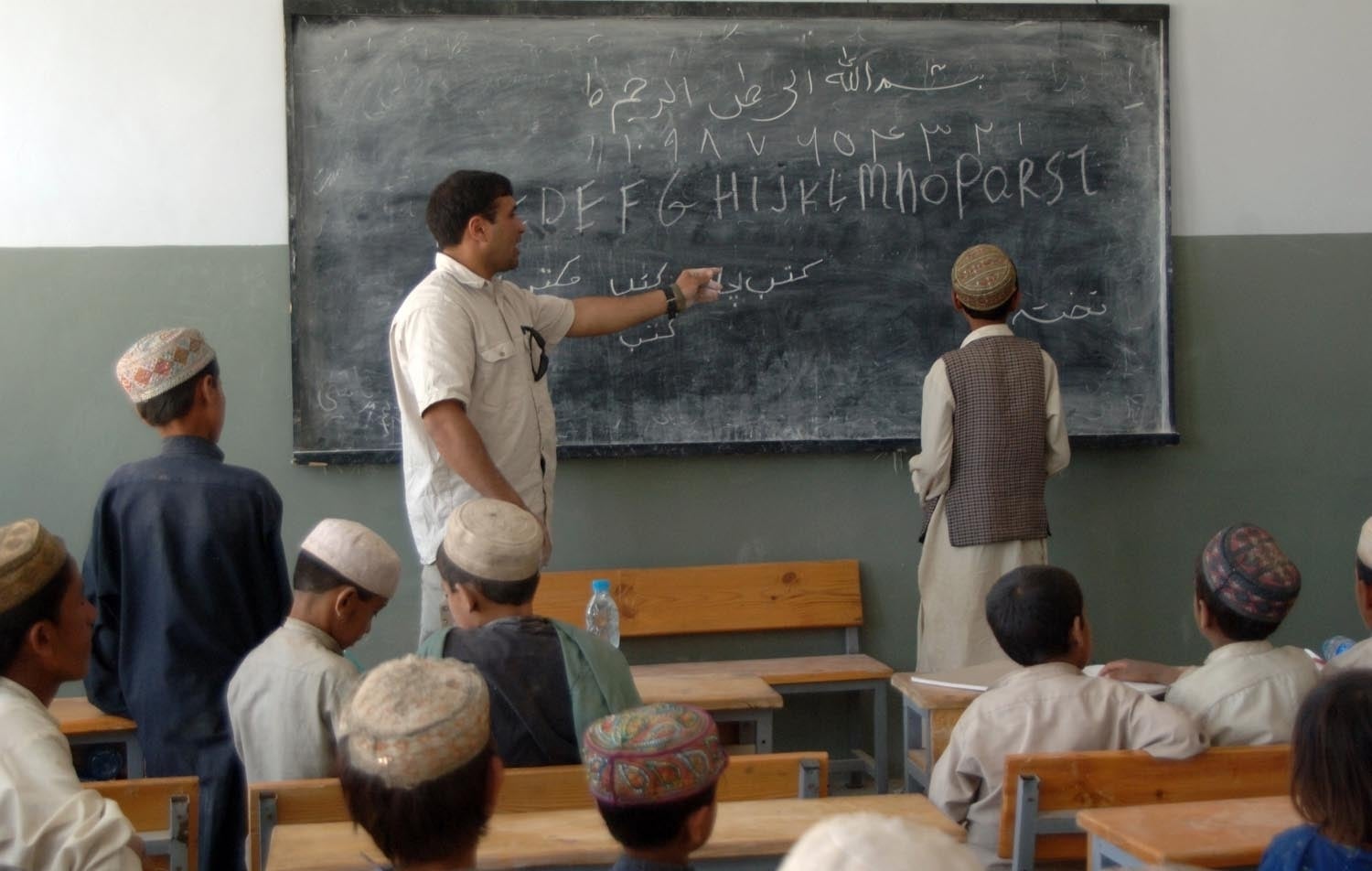
Access to education within the state
Since the Taliban returned to power in 2021, girls and women have been banned from secondary and higher education
This has severely restricted their access to opportunities and reduced their social power
Even for boys, access to education can be limited by poverty, lack of resources and uneven school quality, especially in rural areas
Impact on development
Limiting access to education reduces the number of people who can develop skills and knowledge, weakening the workforce
This slows economic growth, political participation and social development
Wider barriers
Many children in Afghanistan are forced to work to support their families, preventing them from attending school
Ongoing conflict and instability also disrupt access to education
This reflects wider global concerns identified by the UN, where millions of children lack access to education, reinforcing long-term inequality

Unlock more, it's free!
Join the 100,000+ Students that ❤️ Save My Exams
the (exam) results speak for themselves:

Was this revision note helpful?