Violence in Sport (OCR GCSE Physical Education (PE)): Revision Note
Exam code: J587

Violence in sport
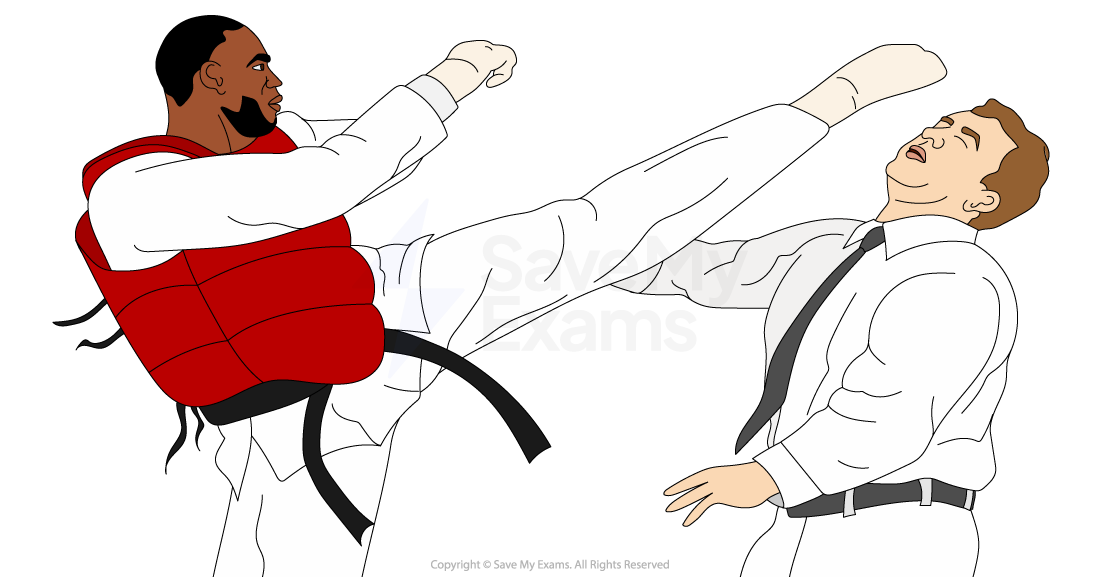
Violence can be a common occurrence in sport
Whilst violence is never condoned, there are some key reasons why it happens:
Due to the pressure to win and the importance of the result some performers will do anything at any cost
For example In 1994, Tonya Harding won her ice-skating championship after her main rival was attacked, putting her out of the competition. Harding and accomplices were later convicted with related charges and Harding was banned for life
Sometimes the nature of the game and emotional intensity causes instinctive responses which can be difficult to control
For example contact sports are more likely to lead to violence as media and the crowd cause over-intense 'psyching up' of players
Anger or frustration at poor officiating or a poor performance leading to losing a match or game
For example at the 2008 Beijing Olympics, Taekwondo’s Angel Valodia Matos pushed the referee and judge before landing a kick that required the referee to receive stitches after being disqualified from his bronze medal bout
Some performers deliberately retaliate and attack others when they feel wronged as an act of seeking revenge
For example in the 1997 WBA Heavyweight championship fight Evander Holyfield’s ear was bitten off by opponent Mike Tyson after Holyfield dominated the early rounds of the fight
Performers can use violence to bring down others to enhance performance and improve their own outcomes
For example on lap 36 of the final race of the 1994 Formula 1 Championship, Michael Schumacher, despite having a damaged car, turned in sharply into Damon Hill who was trying to overtake causing a collision that put both cars out of the race. As a result both drivers failed to score and handed Schumacher the championship win by one point

Unlock more, it's free!
Join the 100,000+ Students that ❤️ Save My Exams
the (exam) results speak for themselves:

Was this revision note helpful?