Martin Luther King & the Birmingham Campaign (Edexcel IGCSE History: Paper 1: Depth Studies): Revision Note
Exam code: 4HI1

Summary
Martin Luther King became one of the most famous civil rights leaders because of:
his education
his speeches
his Christian message
his insistence on non-violent direct action
He planned protests that he knew would provoke violence
He understood that publicity was essential for change
In 1963, King chose Birmingham, Alabama for 'Project C' because the city was rigidly segregated
Violence against peaceful protestors seemed almost certain
The use of children in the marches led to police dogs and fire hoses being used on them
The footage was shown around the world
The events at Birmingham brought compromises from businesses owned by White Americans and gave Kennedy's civil rights bill, which became the Civil Rights Act of 1964, more importance
However, many facilities stayed segregated and violence continued
The methods and activities of Martin Luther King
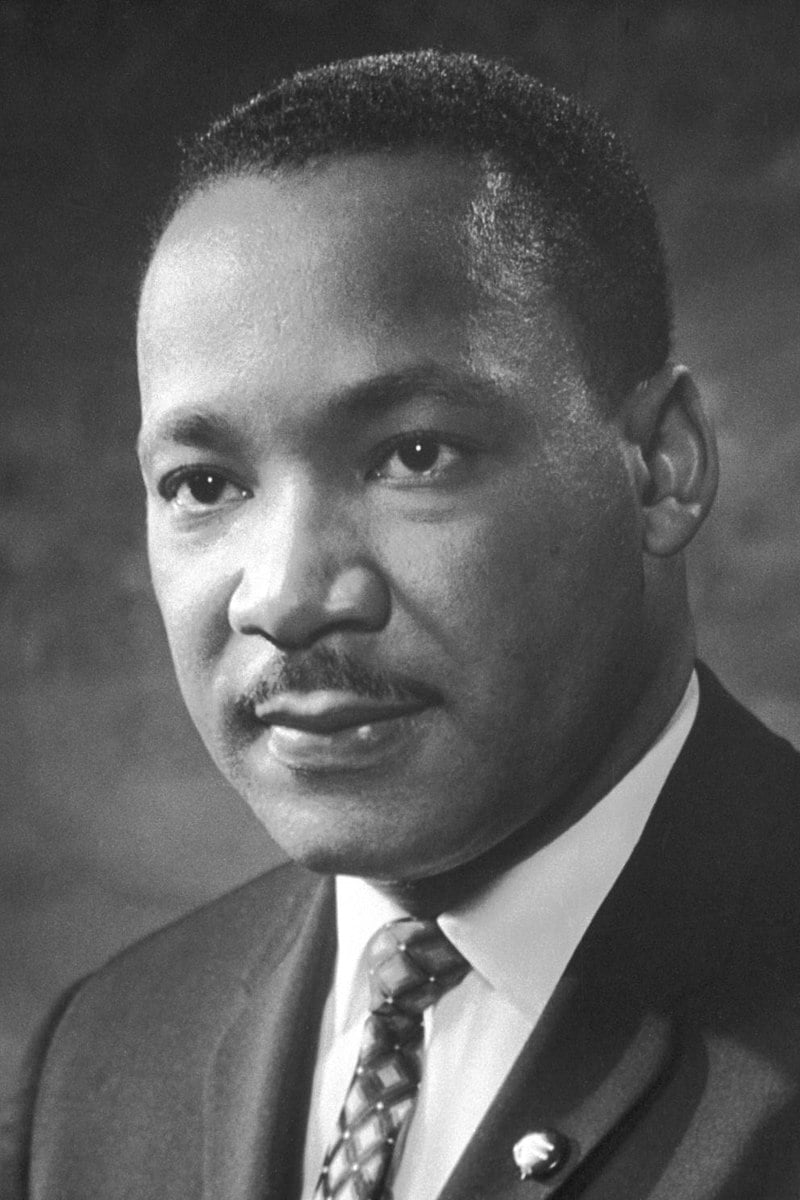
Who was Martin Luther King?
Martin Luther King was born in 1929 into a middle-class family
His father was a minister
Martin followed in his father's footsteps and also became a minister
He studied at Boston University, where he gained a doctorate
He helped create the Southern Christian Leadership Conference (SCLC) in 1957
The organisation was determined to challenge racism through non-violent means
It was his work during the Montgomery Bus Boycott that made him well known
After the 1963 March on Washington and his Dream speech, King was seen as a key leader of the civil rights movement
Why people followed King
King had many qualities that helped him to gain widespread support from people of all races, classes and ages
He was well educated, and a well-spoken and passionate speaker
He continually emphasised non-violence
He worked with people of all races
King was a Baptist minister
Many Americans of all races had a strong Christian faith
Therefore, more people were attracted to King's message
Non-violent direct action
King was heavily influenced and inspired by Mahatma Gandhi
Gandhi was an Indian civil rights activist
He campaigned against racial segregation in South Africa and later against British rule in India
Non-violence, no matter what the provocation, was at the heart of King's beliefs
King's methods were not passive
His direct action was often confrontational and dangerous for the protestors taking part
He realised that publicity was essential in bringing about change
Therefore, he planned protests that he knew would cause a violent response
He lived in constant fear of being attacked
He was arrested and imprisoned many times
The Birmingham Campaign
Segregation in Birmingham, Alabama
In 1963, every aspect of life in Birmingham, Alabama, remained segregated
It had a population of around 350,000
Of that population, 150,000 people were Black
Black churches, businesses and homes in Birmingham were frequently targeted with firebombs
It began to be known as ‘Bombingham’
It had an influential civil rights group, the Alabama Christian Movement for Human Rights (ACMHR)
This was well led by Reverend Fred Shuttlesworth
The man in charge of keeping law and order in Birmingham was ‘Bull’ Connor
He was known to be a supporter of the Ku Klux Klan (KKK)

Examiner Tips and Tricks
When you are asked to explain why something happened, such as why Birmingham, Alabama eventually desegregated, it can be useful to organise your answer into long-term and short-term causes. An example of a long-term cause could be the ruling of the Supreme Court in 1954 that stated that education must be desegregated. A short-term cause might be ‘Bull’ Connor’s decision to set dogs on protestors and arrest children as this turned people against those in favour of segregation.
The events and impacts of 'Project C'
When Birmingham closed its swimming pools, parks and playgrounds rather than desegregate them, the SCLC decided to confront the city's leaders
They called this ‘Project C’, for confrontation, and it involved direct action protests such as:
sit-ins
boycotts of shops and businesses
marches
The police started arresting protestors
After a few weeks, most of the people who had taken part in protests were in jail
King was arrested on 12 April 1963
The children's marches
On 2 May, the first large children's march took place
Although most of the marchers were teenagers, some were very young children
They had been trained in non-violent protest
Some people were shocked that children were being used as protestors
They became even more shocked by how the children were treated
By the end of the day, around 1,000 children had been arrested
On 3 May, more children marched
Partly because the Birmingham jails were full, the police changed tactics
‘Bull’ Connor ordered his officers to:
set dogs on the demonstrators
blast them with fire hoses
TV news crews filmed the shocking scenes and they were broadcast all over the world
The images were very powerful and President Kennedy claimed that the events had ‘damaged America’
The impact of Birmingham
President Kennedy sent a negotiator to Birmingham to help work out an agreement
Protest leaders and the city's White business leaders came to an agreement on 10 May
State troops were sent in by the governor of Alabama to disrupt the talks
This stirred up violence, including more bombings of Black people's homes and businesses
The protestors did not respond with violence
The violence on 11 and 12 May led to serious rioting by Black residents
President Kennedy sent federal troops to bases near Birmingham to restore order
Most of the White business community preferred to make some compromises rather than continue to lose money through lost trade
The business leaders agreed to some desegregation
Most shops and lunch counters in Birmingham were desegregated
Black Americans were allowed to apply for some jobs that had previously been open to Whites only
However, many facilities in Birmingham remained segregated
Violence against Black Americans continued
Events in Birmingham led to similar protests across the USA
More cities began to desegregate facilities
How successful was the Birmingham Campaign?
Evidence of success
The process of desegregation had begun
Black Americans could apply for some jobs that had been for Whites only
It generated huge publicity, as footage of children attacked by dogs and fire hoses was shown across the world
It put pressure on the federal government, which sent a negotiator
Kennedy's administration had begun working on a civil rights bill earlier in the year
Events in Birmingham gave it more importance
On 11 June 1963, Kennedy told the nation in a television speech that the country faced a moral crisis and that it was time to act in Congress
It led to similar protests across the USA
The protestors did not respond to violence with violence
This kept public sympathy on their side
Evidence of limitations
Many facilities in Birmingham stayed segregated
The actions of the federal government and protestors did not stop the violence against Black Americans
The violence of 11 and 12 May led to serious riots
This showed that non-violence was hard to maintain
Most of the businesses agreed to compromises because they were losing money, not because they had changed their views
Conclusions
In Birmingham, the change was real but limited
Some facilities were desegregated and many were not
Nationally, the change was much greater
The campaign gave the federal government a reason to act and started similar protests across the country
Therefore, the Birmingham Campaign was more successful in its national impact than in its local results
The organisers had intended this to be the case
Worked Example
'The main reason for the success of the Birmingham Campaign (1963) was the publicity it gained.'
How far do you agree? Explain your answer.
You may use the following in your answer:
the children's march
the White business community.
You must also use information of your own.
(16)
Partial answer:
However, the economic pressure on businesses was what produced change in the city itself. The protests and boycotts meant that shops and lunch counters were losing trade, and most of the White business community preferred to make compromises in civil rights rather than carry on losing money. This led the city's business leaders to agree to some desegregation, so most shops and lunch counters were desegregated and Black Americans could apply for some jobs that had been for Whites only. Without this pressure, publicity alone might not have changed Birmingham. The pressure made the city's leaders listen to the demands of business owners, rather than the protestors themselves.
Examiner Tips and Tricks
Keep one line of argument running through the whole answer. This paragraph explains why the economic pressure on businesses mattered, and its last two sentences stress that this pressure, rather than the protestors themselves, made the city’s leaders listen. A strong answer then ties this back to its judgement, by showing that the pressure changed Birmingham while the publicity changed the whole country.
Think of the answer as a necklace. Each paragraph is a bead, and your judgement is the string that holds them together.

Unlock more, it's free!
Join the 100,000+ Students that ❤️ Save My Exams
the (exam) results speak for themselves:

Was this revision note helpful?