Source A: Timpson Group
Timpson Group is one of the largest service retailers in the United Kingdom and Ireland. It repairs shoes, cuts keys, mends watches, cleans clothes and prints photographs, trading as Timpson, Max Spielmann, Snappy Snaps, Johnsons, The Watch Lab, Jeeves, Timpson Security and Barbershop. It has been a family business since 1865 and is now run by the sixth generation of Timpsons.
In the 52 weeks to 27 September 2025 sales rose 5.6% to £367 million, from £347 million, the fourth year in a row of record sales. Key cutting alone took £101 million. Watch repair now brings in more than twice as much as shoe repair, the service the company was built on.
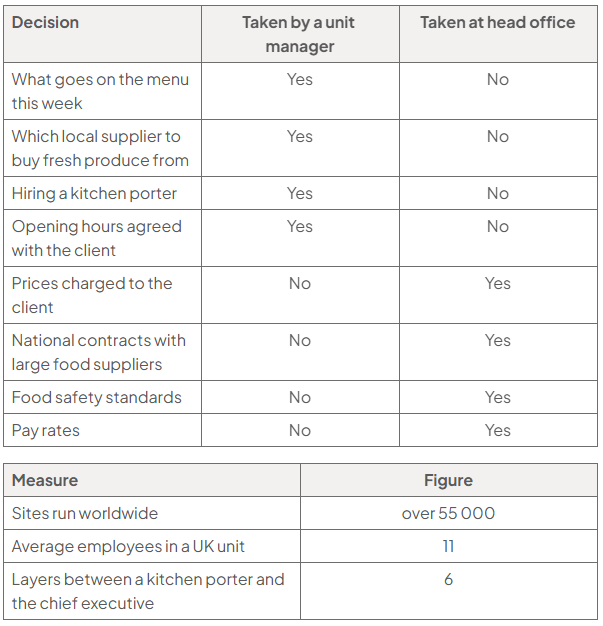
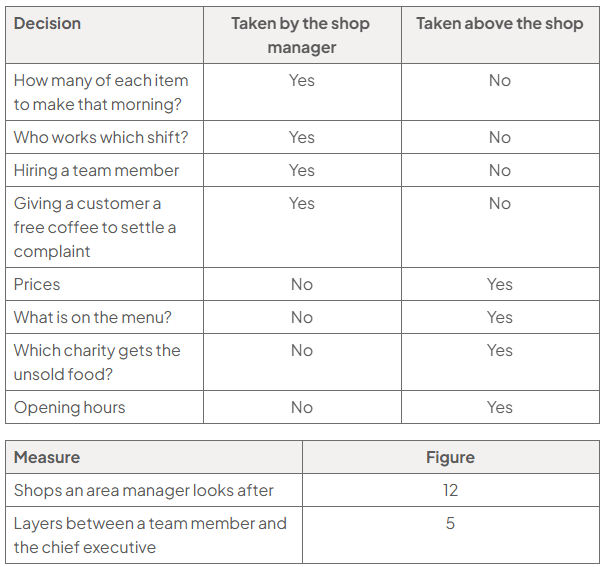
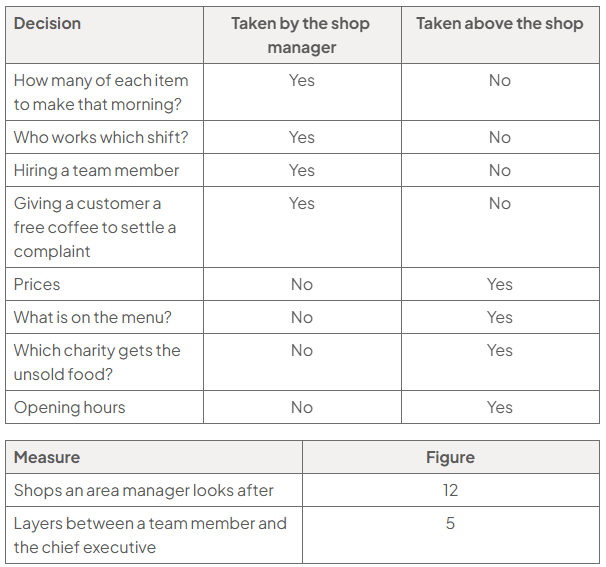
The way Timpson Group is run is unusual, and it is deliberate. The company picks colleagues for their personality and then trusts them to do the job their way. It calls this Upside Down Management. John Timpson puts it like this: "The best way to run a business is to trust your colleagues with the freedom to do their job in the way they know best." Colleagues in the shops make decisions that in most retailers would be taken at the head office.
Where those colleagues come from is unusual too. After visiting a prison in 2002 and hiring a young man named Matt, Timpson Group has become one of the largest employers of ex-offenders in the United Kingdom. Over 12% of its 4 500+ colleagues have a past criminal conviction. The Timpson Foundation spends over £1 million a year supporting the employment of people from prison and runs training academies inside prisons so that prisoners learn the shop services before they are released. Some colleagues work on day release while still serving a sentence. The Foundation also recruits care leavers and people leaving the armed forces.
The company says the approach works on its own terms: 75% of the ex-offenders it recruits stay with the business long-term, and it describes them as loyal, hard-working colleagues.
Source: Timpson Group, 2026; The Times, 23 September 2026
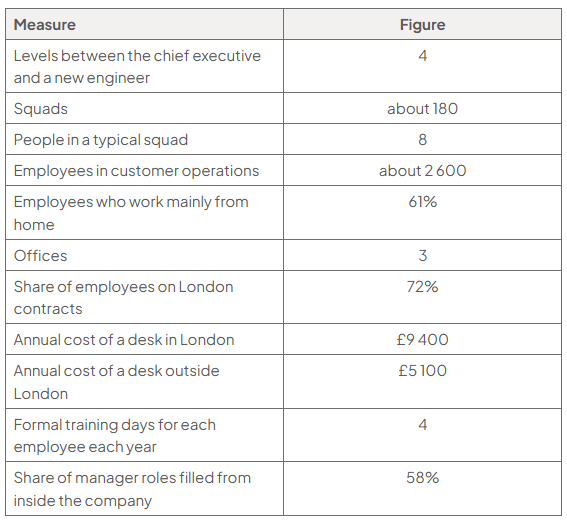
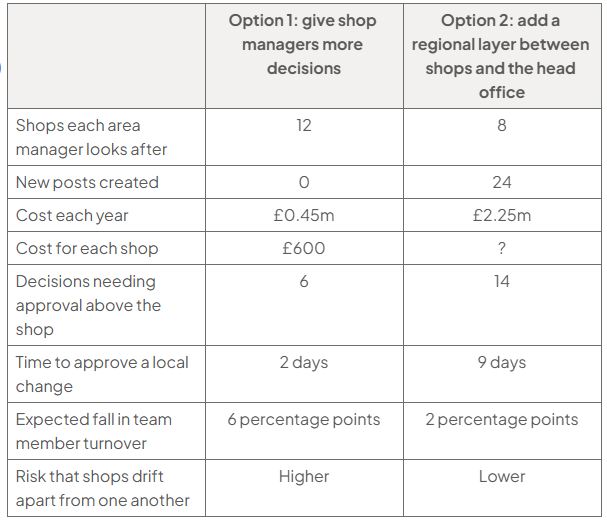
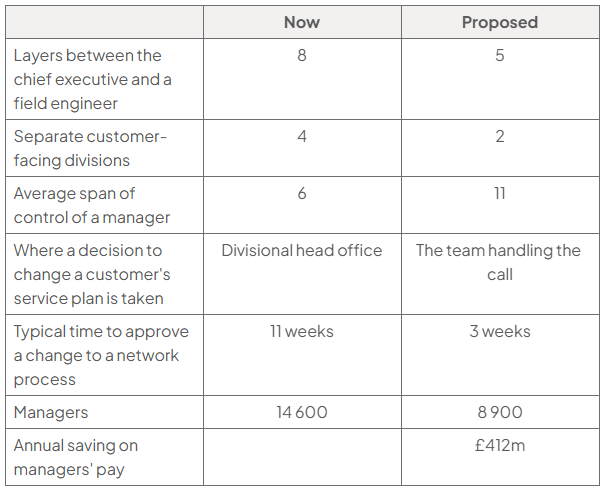
Appendix C: How Timpson Group is organised, compared with a conventional service retailer of similar size
Source: Analyst
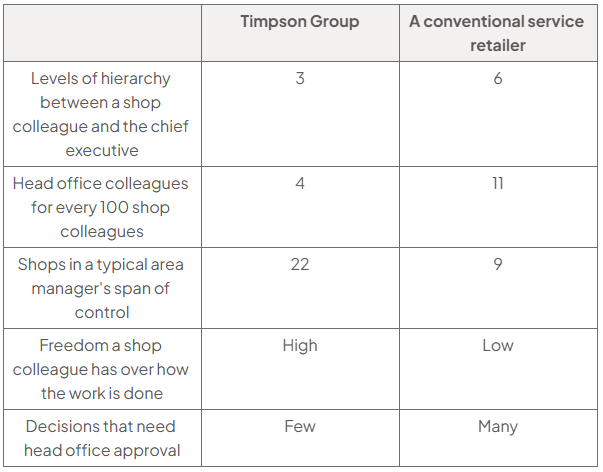
Timpson Group calls its approach Upside Down Management.
Analyse one way in which trusting colleagues in the shops to make their own decisions might affect Timpson Group's levels of hierarchy.
Was this exam question helpful?