Financial Motivation (AQA A Level Business): Revision Note
Syllabus Edition
First teaching 2026
First exams 2028
Exam code: 7132

Introduction to financial motivation
Financial motivation is the use of monetary rewards to influence employee behaviour and effort
It is one of the most widely used approaches to motivation in business
How motivation theorists view financial rewards
Theorist | View of financial rewards |
|---|---|
Taylor 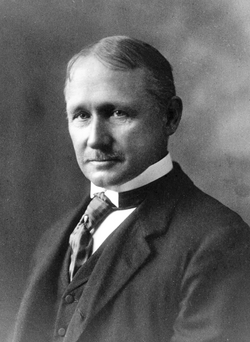 |
|
Maslow  |
|
Herzberg  |
|
Wages, piece rates and salaries
Wages
A wage is a payment calculated on an hourly basis
Employees are paid for the number of hours they work
E.g. A supermarket checkout operator paid £12 per hour
Advantages and disadvantages of wages
Advantages |
|
|---|---|
Disadvantages |
|
Links to motivation theory
As wages do not link pay to output, they would not be Taylor's preferred system
He argued workers should be rewarded for what they produce, not simply the time they spend at work
According to Maslow, wages satisfy physiological needs as they pay for food and housing and, to some extent, safety needs as they provide a regular income
For Herzberg, wages are a hygiene factor
If pay is seen as fair, it prevents dissatisfaction, but it does not encourage greater effort
Piece rates
Piece rate pay means employees are paid a fixed amount for each unit of output they produce
E.g Delivery drivers are paid per parcel delivered
Advantages and disadvantages of piece rates
Advantages |
|
|---|---|
Disadvantages |
|
Links to motivation theory
Taylor strongly favoured piece rates, as they directly reflect his economic man theory
Workers will produce more if paid more for each unit
For Maslow, piece rates can satisfy physiological needs
However, they may undermine safety needs if earnings fluctuate significantly
For Herzberg, piece rates are a hygiene factor, but they provide a clearer link between effort and reward
Salaries
A salary is a fixed annual payment, usually divided into equal monthly instalments, regardless of hours worked or output produced
E.g. A marketing manager earning £42,000 per year, paid in monthly instalments of £3,500
Advantages and disadvantages of salaries
Advantages |
|
|---|---|
Disadvantages |
|
Links to motivation theory
For Taylor, salaries do not link pay to output so he would not favour them as a motivational tool
According to Maslow, salaries satisfy physiological and safety needs
The stability and predictability of a salary addresses the need for financial security
For Herzberg, a salary is a hygiene factor
An adequate salary prevents dissatisfaction but does not in itself motivate employees to perform at a higher level
Commission and performance-related pay
Commission
Commission is a payment based on the value or volume of sales an employee generates, usually expressed as a percentage of sales revenue
E.g. An estate agent earning 1.5% commission on each property sold
Commission is often paid alongside a basic salary
The combined package is sometimes referred to as OTE (on-target earnings)
Advantages and disadvantages of commission
Advantages |
|
|---|---|
Disadvantages |
|
Links to motivation theory
Commission aligns with Taylor's view that financial incentives improve performance
It directly rewards output (sales) and is consistent with the economic man theory
For Maslow, commission satisfies physiological needs but can undermine safety needs due to income variability
High earners may also satisfy esteem needs through the status associated with top sales performance
For Herzberg, commission is largely a hygiene factor
However, the recognition that often accompanies high sales performance (e.g. sales awards, public acknowledgement) could be considered one of Herzberg's motivator factors of achievement and recognition
Performance-related pay (PRP)
Performance-related pay is additional financial reward given to employees who meet or exceed agreed performance targets, usually assessed through an appraisal process
E.g. A bank employee receiving a year-end bonus for achieving their sales and customer satisfaction targets
Advantages and disadvantages of PRP
Advantages |
|
|---|---|
Disadvantages |
|
Links to motivation theory
PRP broadly aligns with Taylor's economic man theory
It rewards output and uses financial incentives to improve performance
For Maslow, PRP can begin to satisfy esteem needs, particularly when combined with public recognition of high performance
Physiological and safety needs are dependent on the base salary
For Herzberg, PRP is, overall, a hygiene factor
However, the recognition for an employee that they have performed well and being rewarded for it means PRP can be considered a motivator
Shares and fringe benefits
Share ownership schemes give employees shares in the business, making them part-owners and entitling them to a share of profits and any increase in share value over time
E.g. The John Lewis Partnership gives all employees (called partners) a share of annual profits
Share options give employees the right to buy shares at a fixed price in the future
If the share price rises, the employee benefits
Advantages and disadvantages of shares
Advantages |
|
|---|---|
Disadvantages |
|
Links to motivation theory
For Taylor, shares represent a form of financial incentive and align with the economic man theory
However, Taylor focused more on output-linked pay
For Maslow, shares can satisfy esteem needs (status, sense of ownership and belonging)
Where they generate significant wealth, they may contribute to self-actualisation
They also reinforce safety needs if they grow in value over time
For Herzberg, share ownership has the potential to move beyond simply being a hygiene factor
The sense of ownership, achievement and recognition it creates may be a genuine motivator, particularly in businesses where employees have a meaningful stake in the company's direction
Fringe benefits
Fringe benefits (also known as perks or benefits in kind) are non-cash rewards provided to employees in addition to their salary
Examples include company cars, private health insurance, gym membership, pension contributions, free meals, staff discounts, childcare support and flexible working
Advantages and disadvantages of fringe benefits
Advantages |
|
|---|---|
Disadvantages |
|
Links to motivation theory
Taylor did not specifically address fringe benefits
His focus was on direct financial output-linked pay
For Maslow, fringe benefits can satisfy multiple levels of the hierarchy depending on the specific benefit
Private health insurance satisfies safety needs
Social events and team lunches satisfy social and belonging needs
Prestigious benefits such as a company car satisfy esteem needs
A training budget or flexible working may contribute to self-actualisation
For Herzberg, fringe benefits are generally hygiene factors
Their absence can cause dissatisfaction (especially if competitors offer them) but their presence alone does not motivate
However, benefits that enable personal growth and development (e.g. a learning budget or mentoring) may be considered motivators
Examiner Tips and Tricks
A common mistake is to assume that more pay always means more motivation. Herzberg's two-factor theory challenges this directly - pay prevents dissatisfaction but does not create genuine motivation. In exam answers, use this distinction to add depth
For example, a business that relies solely on performance bonuses may reduce dissatisfaction among its workforce without ever creating the sense of achievement or recognition that Herzberg identified as the true motivators
Case Study
TrackStar Sports

TrackStar Sports is a UK-based online sportswear retailer with 150 employees across its head office, warehouse and customer service centre.
The business uses a range of financial motivators.
Sales staff earn a basic salary plus 2% commission on all sales above their monthly target
Warehouse operatives are paid an hourly wage
Managers receive annual performance-related bonuses linked to departmental targets
Senior leaders are enrolled in a share option scheme, aligning their long-term interests with the company's growth.
Initially, this approach led to strong results – consistent with Taylor's view that financial incentives increase output. However, a 2024 employee survey revealed that despite competitive pay, engagement scores were low and annual staff turnover had reached 31%.
The findings reflected Herzberg's two-factor theory.
Financial rewards had addressed the hygiene factors – preventing dissatisfaction – but had not created genuine motivation
Maslow's hierarchy suggested why
Once basic and security needs were met through pay, employees needed social connection, recognition and development opportunities that financial rewards alone could not provide

Unlock more, it's free!
Join the 100,000+ Students that ❤️ Save My Exams
the (exam) results speak for themselves:

Was this revision note helpful?
