Influences on Demand (AQA A Level Business): Revision Note
Syllabus Edition
First teaching 2026
First exams 2028
Exam code: 7132

What affects demand?
Demand refers to the quantity of a product that consumers are willing and able to buy at a given price over a given period
Understanding what drives demand and how changes in demand affect business decisions is central to effective marketing
Factors affecting demand
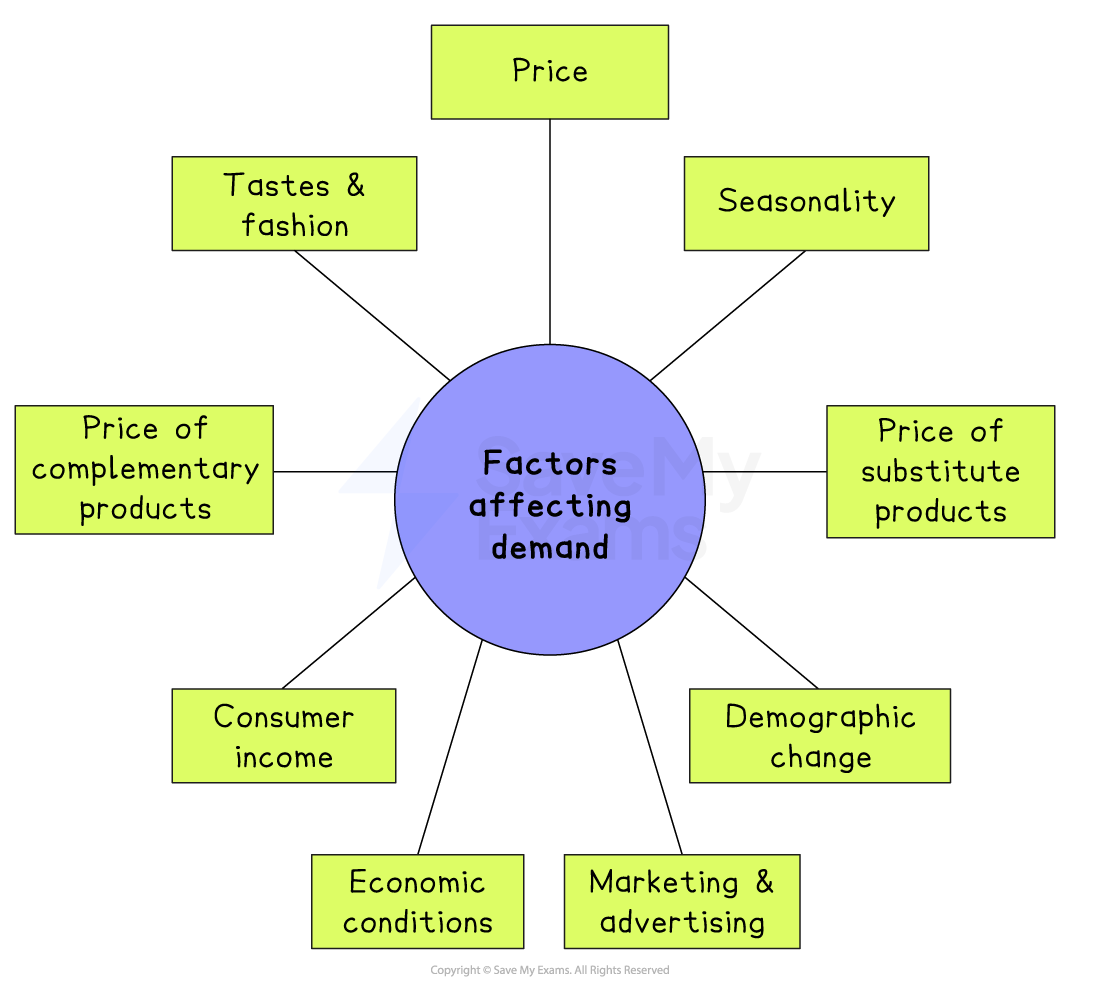
Price
As price rises, demand typically falls
As price falls, demand typically rises
Consumer income
Rising incomes tend to increase demand for most products
During a recession, consumers cut spending, reducing demand for many goods and services
Tastes and fashion
Changing consumer preferences can rapidly increase or decrease demand, particularly in markets such as clothing, food and entertainment
Price of substitute products
If a rival product becomes more expensive, consumers may switch, increasing demand for alternatives
For example, a rise in the price of beef may increase demand for chicken
Price of complementary products
Products that are used together are known as complements
If the price of one rises, demand for the other may fall
For example, rising petrol prices may reduce demand for cars
Marketing and advertising
Effective marketing raises awareness and changes perceptions, directly stimulating demand
Seasonality
Demand for many products rises and falls predictably at different times of the year
For example, demand for sunscreen peaks in summer
Economic conditions
Periods of economic growth boost consumer confidence and spending
Recessions reduce it
Demographic change
Shifts in population size, age structure or household composition affect demand for a wide range of products
Case Study
Demand and Aldi
Aldi entered the UK market in 1990, but for decades, it was seen as a niche option for budget-conscious shoppers
By the early 2020s, its market share had grown dramatically - driven by a combination of demand-side forces that reshaped the entire UK grocery market.
Price
Aldi consistently undercuts traditional supermarkets on everyday items, making it an attractive option for shoppers looking to reduce their weekly bills
Economic conditions and consumer income
During the 2022 cost-of-living crisis, with UK inflation exceeding 10%, millions of households switched from mainstream supermarkets to Aldi to protect their budgets
Substitutes
As Aldi's prices remained significantly lower than those of its rivals, it became an attractive substitute
Tastes and fashion
Consumer perception changed significantly
Once associated with low-income shopping, Aldi became widely regarded as the smart choice, attracting significant numbers of middle-income households
Rival supermarkets such as Tesco and Sainsbury's responded by cutting prices and launching budget own-label ranges
Demand and the marketing mix
Changes in demand require businesses to adapt their marketing mix in response
A rise in demand
Product | Price |
|---|---|
|
|
Place | Promotion |
|
|
A fall in demand
Product | Price |
|---|---|
|
|
Place | Promotion |
|
|
Cyclical demand
Cyclical demand refers to demand that rises and falls in line with the economic cycle
Demand increases during periods of economic growth and falls during recessions
Products particularly affected include luxury goods, new cars and foreign holidays
During a recession | During a boom |
|---|---|
|
|
Counter-cyclical demand
Some products experience falls in demand during a boom and increases in demand during a recession
Demand for budget supermarkets and own-label products, for example, tends to rise during recessions as consumers seek value
Seasonal demand
Seasonal demand refers to predictable changes in demand at different times of year, driven by weather, holidays or cultural events
E.g. demand for Christmas gifts peaks in November–December, whilst demand for barbecues and garden furniture peaks in spring and summer
Implications for the marketing mix
Product | Price |
|---|---|
|
|
Place | Promotion |
|
|
Businesses may also try to smooth seasonal fluctuations through marketing
For example, a café promoting hot chocolate and winter warmers in the summer months to maintain sales
Case Study
Cadbury's marketing mix
Cadbury is the UK's best-known chocolate brand. Its marketing mix is shaped almost entirely by predictable seasonal peaks in demand.
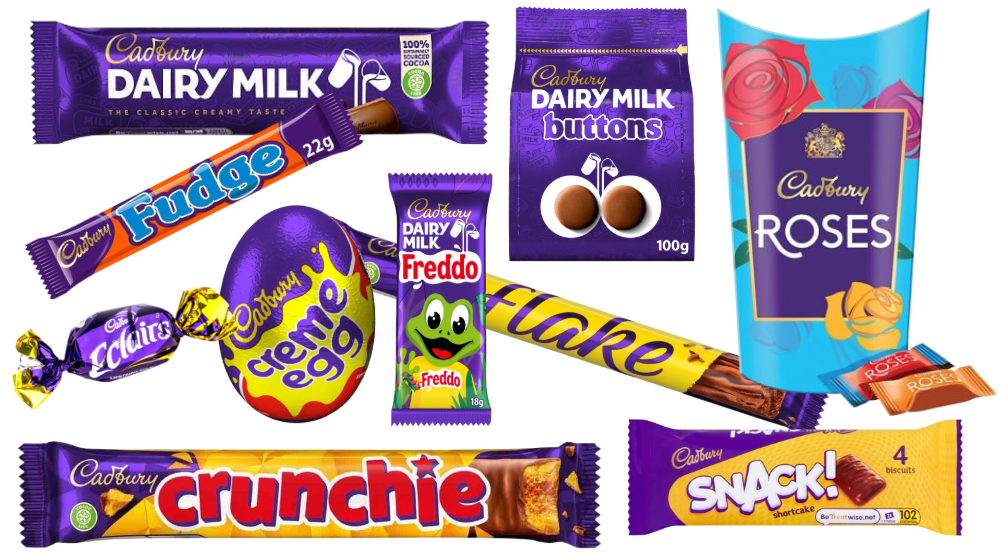
Product
Cadbury launches dedicated seasonal ranges that create a spike in demand in each peak period
These include Creme Eggs and Mini Eggs for Easter, selection boxes and advent calendars for Christmas and gift products for Valentine's Day
Price
Limited-edition and gift products are priced at a premium during peak seasons
Remaining seasonal stock is heavily discounted afterwards to clear stock quickly
Promotion
Major advertising campaigns are timed to run in the weeks before each peak
Television ads for Creme Eggs begin as early as January to build anticipation well ahead of Easter
Place
Seasonal products receive premium shelf placement and dedicated in-store displays during peak periods
This maximises visibility precisely when demand is highest
Counter-cyclical demand
Demand for Cadbury's products also holds up well during recessions
Chocolate is an affordable treat that most consumers are reluctant to give up, even when cutting back on bigger purchases
Examiner Tips and Tricks
When answering questions about demand, always consider more than one influence - exam questions often ask for two or more factors, and stating just price alone will not be enough for full marks.
When linking demand changes to the marketing mix, make sure you explain the connection clearly: do not just state that demand has risen - explain what specific element of the marketing mix the business should change and why, applying your answer to the business in the case study

Unlock more, it's free!
Join the 100,000+ Students that ❤️ Save My Exams
the (exam) results speak for themselves:

Was this revision note helpful?
