Entering international markets (AQA A Level Business): Revision Note
Syllabus Edition
First teaching 2026
First exams 2028
Exam code: 7132

Exporting
Exporting is the selling of goods or services produced in one country to customers located in another country
A business manufactures or supplies the product at home
It finds overseas buyers, usually through agents, distributors, trade fairs or online platforms
The firm handles (or outsources) tasks such as packaging for international transport, arranging shipping, completing export paperwork and complying with foreign regulations
Exporting is the simplest step into international trade
The product is still made in the home country
Only marketing and delivery cross national borders
Advantages and disadvantages of exporting
Advantages |
|
|---|---|
Disadvantages |
|
Licensing
Licensing is a legal arrangement where a business (the licensor) grants a foreign company (the licensee) the right to make or sell its product, use its brand name or make use of technology in return for a fee or royalty payment
The product is usually made and marketed by the licensee in its own country.
The licensee follows set standards to protect the licensor’s brand or patents
The licensor monitors quality and may exert some influence on strategy in the new market
Case Study
Kurkure
Kurkure is a popular Indian snack brand owned by PepsiCo.
In some parts of India, especially in smaller towns and rural areas, PepsiCo licenses the production and distribution of Kurkure to local food manufacturers.
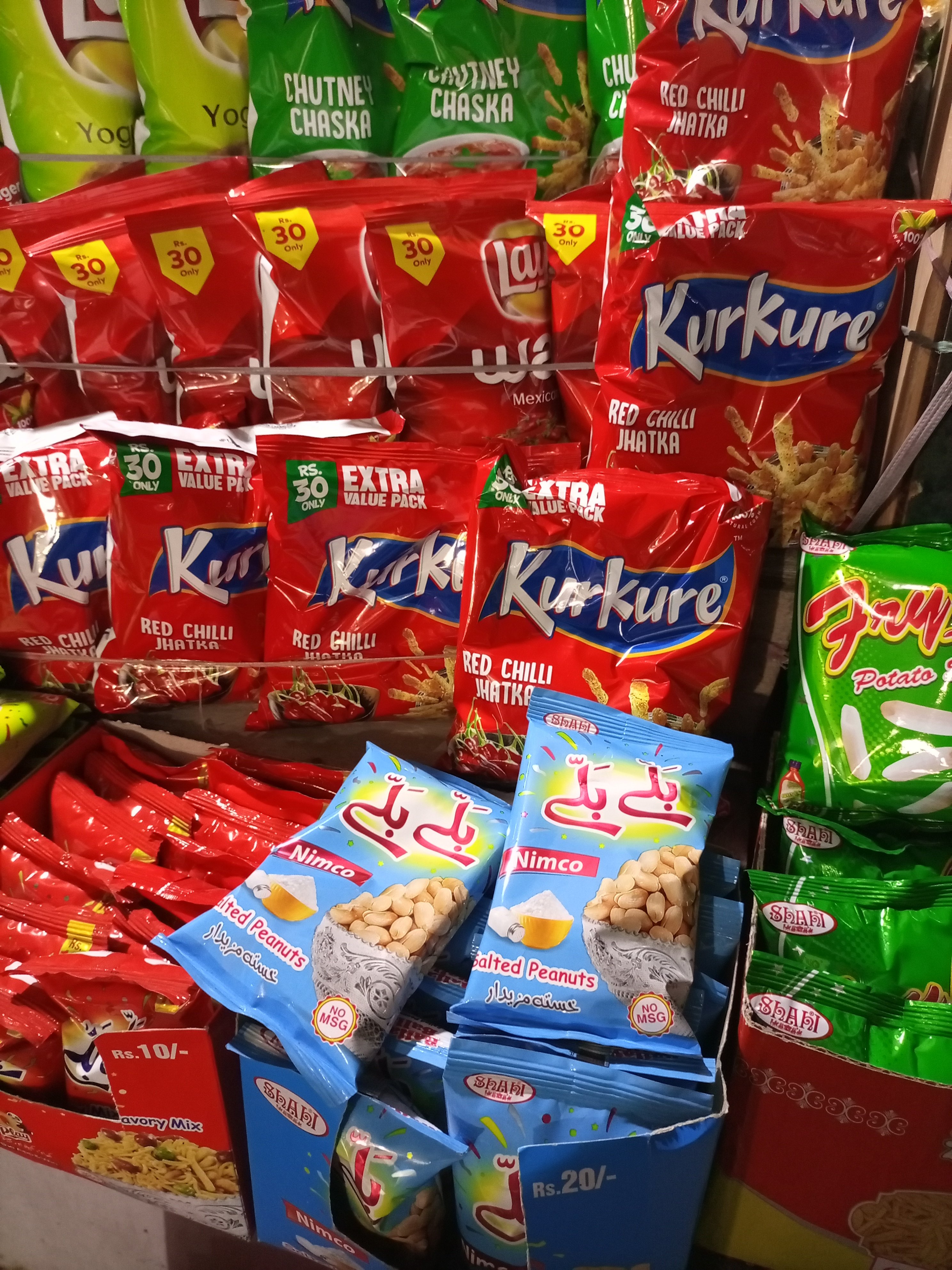
PepsiCo allows local manufacturers to produce and sell Kurkure under its brand.
The local firms must follow PepsiCo’s strict quality and branding standards.
In return, these firms pay royalties to PepsiCo for the right to use the Kurkure brand
Advantages and disadvantages of licensing
Advantages |
|
|---|---|
Disadvantages |
|
Joint ventures
A joint venture is a medium- to long-term agreement for two or more separate businesses to join together to achieve a defined business outcome, such as entry into a new market
A new combined business structure is formed
Risks and returns are shared by the parties involved in the joint venture
Businesses in a joint venture are usually looking to benefit from each other's strengths and resources brought to the venture
Some UK and EU companies have set up joint ventures with businesses in China
Chinese managers and employees understand market needs and consumer tastes, which gives the venture a greater chance of success
The Chinese government encourages joint ventures rather than foreign direct investment (FDI)
Example
In 2023, Stellantis, the parent company of Vauxhall and Peugeot, formed a joint venture called Leapmotor International with Chinese electric vehicle maker Leapmotor.
Stellantis holds a 51% stake and gains access to Leapmotor's low-cost EV technology and manufacturing scale
Leapmotor benefits from Stellantis's international dealer network and expertise to sell its vehicles across Europe and other markets outside China
Advantages and disadvantages of joint ventures
Advantages |
|
|---|---|
Disadvantages |
|
Direct investment
Direct investment, often called foreign direct investment (FDI), is when a business sets up or buys assets, such as factories, offices or shops, in another country
Typical forms of direct investment include
Greenfield investment
Building a brand-new site from the ground up
Acquisition
Buying an existing foreign firm to gain its sites, staff and customers in one go
Major expansion
Turning a small overseas branch into a full production base
Examples of UK businesses making direct foreign investments
Business | Explanation |
|---|---|
Jaguar Land Rover |
|
Tesco |
|
Advantages and disadvantages of direct investment
Advantages |
|
|---|---|
Disadvantages |
|
Case Study
Halden Appliances

Halden Appliances is a UK manufacturer of kitchen appliances that decided to build a brand-new factory in Poland through a £45 million greenfield investment, rather than continuing to rely solely on contract manufacturers in Asia.
The new site gave Halden full control over production quality and allowed it to redesign processes specifically around its own products, while also placing it much closer to its largest customer base across mainland Europe, reducing delivery times and avoiding import tariffs.
Because Halden owned the factory outright, it kept all the profit from sales in the region rather than sharing returns with a local partner. However, the investment required borrowing a significant sum, increasing the company's financial risk during construction.
Early progress was slower than expected, as UK managers sent to oversee the project struggled with unfamiliar Polish employment law and local business customs, delaying full production by several months.
A sudden downturn in European demand shortly after opening also left the new factory running well below capacity for its first year.
Despite this difficult start, the factory later became Halden's most efficient site.

Unlock more, it's free!
Join the 100,000+ Students that ❤️ Save My Exams
the (exam) results speak for themselves:

Was this revision note helpful?
