Market Segmentation (AQA A Level Business): Revision Note
Syllabus Edition
First teaching 2026
First exams 2028
Exam code: 7132

The purpose and value of market segmentation
A single market is rarely made up of identical customers, as people have different needs, preferences, budgets and lifestyles
Market segmentation is the process of dividing a broad market into smaller groups of consumers who share similar characteristics
Each group - or segment - can then be targeted with a product and marketing mix tailored to its specific needs
For example, the UK crisp market is divided into distinct segments, including:
premium sharing snacks such as Walkers Sensations
health-conscious options such as Walkers Baked
value multipacks for families
The primary purpose of segmentation is to help businesses identify distinct customer groups so they can be served more effectively than if the business tried to appeal to everyone at once
Advantages and limitations of segmentation
Advantages | Limitations |
|---|---|
|
|
Demographic segmentation
Demographic segmentation divides a market based on measurable personal characteristics such as age, gender, family circumstances and ethnicity
It is one of the most widely used methods because demographic data is relatively straightforward to collect and analyse
Examples of demographic segmentation
Age
Children's toys, student bank accounts and retirement holidays each target distinct age groups with different spending power and priorities
Gender
Men's grooming brand Bulldog targets male consumers with skincare products designed specifically for their needs
Family circumstances
Family-sized food products, such as snack multipacks or family tickets to theme parks, provide bulk-purchase savings
Pushchairs and childcare services target households with young children
Single-person ready meals target the growing number of people living alone
Ethnicity
As the UK population becomes more diverse, markets for specialist food, clothing and celebration items targeted at specific cultural or religious groups have grown significantly
For example, Moonpig sells a range of Diwali and Eid gifts and greeting cards
Case Study
Saga
Saga is a UK business that has built its entire brand around a single demographic characteristic: age. Every product and service it offers - from insurance and financial products to holidays and a magazine - is targeted exclusively at consumers aged 50 and over
Product
Saga designs products specifically for older consumers, including over-50s car insurance with features such as protected no-claims bonuses, and small-group holidays tailored to the travel preferences of its target age group
Price
Products are priced to reflect the value of reliability and specialist service that older consumers typically prioritise over finding the cheapest deal
Promotion
Advertising uses television, direct mail and its own magazine to reach an audience that responds strongly to traditional media channels
Place
Primarily sold by telephone and online in formats accessible to its target demographic
Saga's demographic focus allows it to develop genuine expertise in serving older consumers, a segment that controls significant and growing spending power in the UK
Geographic segmentation
Geographic segmentation divides a market based on location - where customers live, work or spend their time
It is useful because customers in different locations often have different needs, preferences and buying habits
Examples of geographic segmentation
Urban vs rural
City-dwellers are more likely to purchase small electric vehicles, while rural consumers tend to prefer larger, all-terrain vehicles
Regional preferences
Food and drink preferences vary across the UK
For example, Greggs built its initial customer base in the North of England before expanding nationally, adapting some of its products to regional tastes
Climate
Demand for sunscreen, waterproof clothing and heating systems varies significantly by region, depending on local weather patterns
International markets
Global businesses adapt their products and marketing to different countries
For example, McDonald's offers different menu items in different markets to reflect local tastes
Case Study
Greggs
Greggs is a UK bakery chain that uses geographic segmentation to adapt its store formats and offerings to the needs of customers in different locations
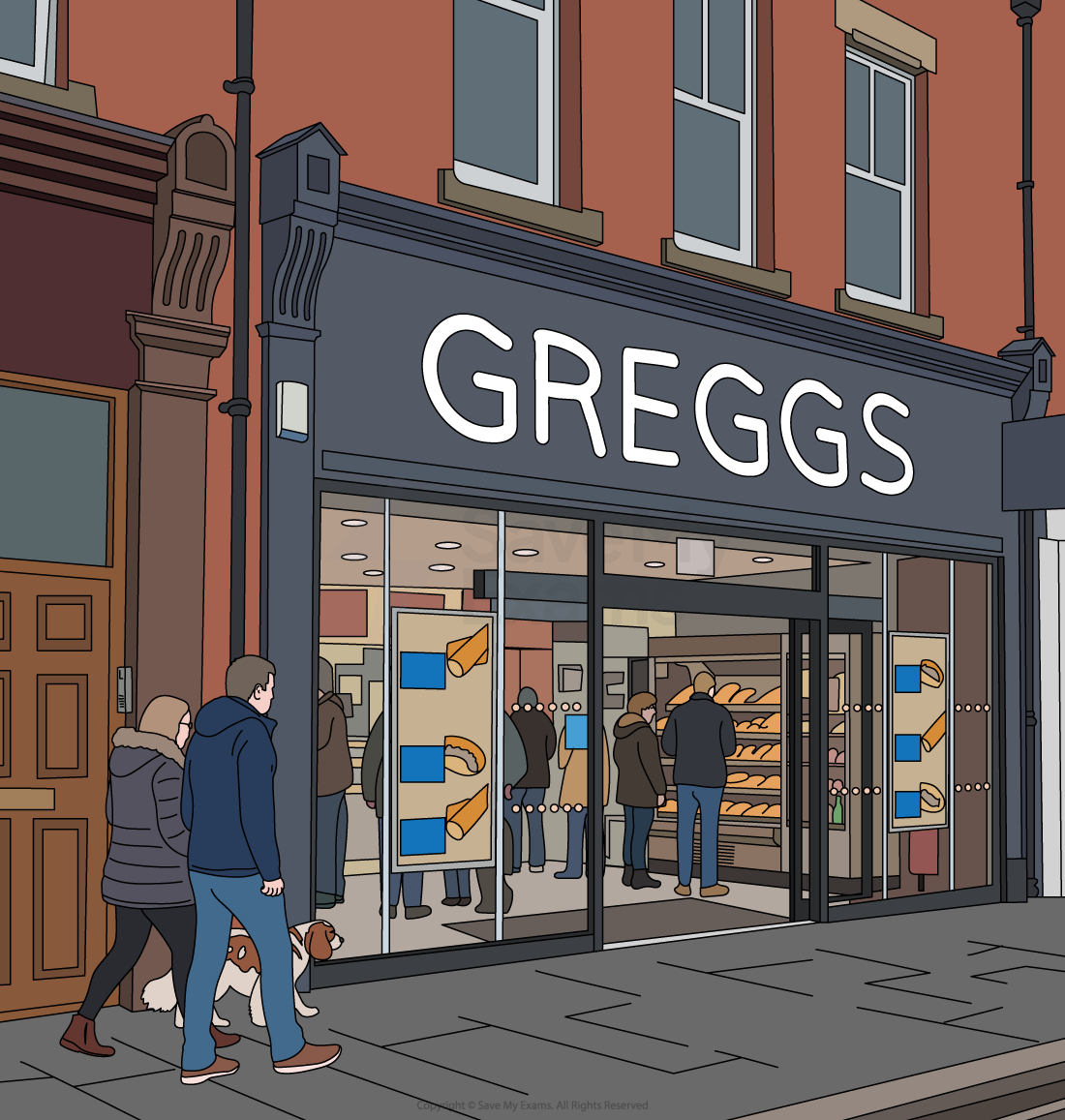
Urban city centre stores
Smaller-format locations near offices and transport hubs open earlier and close later, targeting commuters and lunchtime workers with grab-and-go items such as sausage rolls, sandwiches and hot drinks
Retail park and high street stores
Larger stores in suburban and town centre locations serve a broader customer base, including families and weekend shoppers
Regional pricing
Stores in London and the South East charge slightly higher prices than those elsewhere, reflecting differences in the cost of operating in different regions
Expansion strategy
Greggs originated in Newcastle and was historically strongest in the North of England
As it expanded south, it adapted its range to serve a more diverse customer base
This geographic approach has helped Greggs grow to over 2,500 locations and become the UK's largest bakery chain
Psychographic segmentation
Psychographic segmentation divides a market based on lifestyle, values, attitudes, interests and personality traits
It goes beyond surface-level characteristics to understand the deeper motivations behind purchasing decisions
It recognises that two consumers with identical demographic profiles may have very different values and buying motivations
Psychographic segmentation is more complex and costly to research than demographic or geographic methods
However, it can be extremely powerful for brand positioning and building strong emotional connections with customers
Examples of psychographic segmentation
Health-conscious consumers
Innocent Drinks and Pip & Nut target consumers who prioritise nutrition and natural ingredients, regardless of age or income
Environmentally conscious consumers
Patagonia and Lush appeal to consumers whose values include sustainability and ethical production
These customers actively seek out brands that align with their principles
Status-conscious consumers
Luxury brands such as Rolex and Burberry target consumers motivated by exclusivity and social recognition
Convenience-focused consumers
Meal kit services such as Gousto and HelloFresh target time-pressed consumers who value speed and simplicity
Case Study
Oatly
Oatly is a Swedish oat milk brand that has built its UK success almost entirely on psychographic segmentation
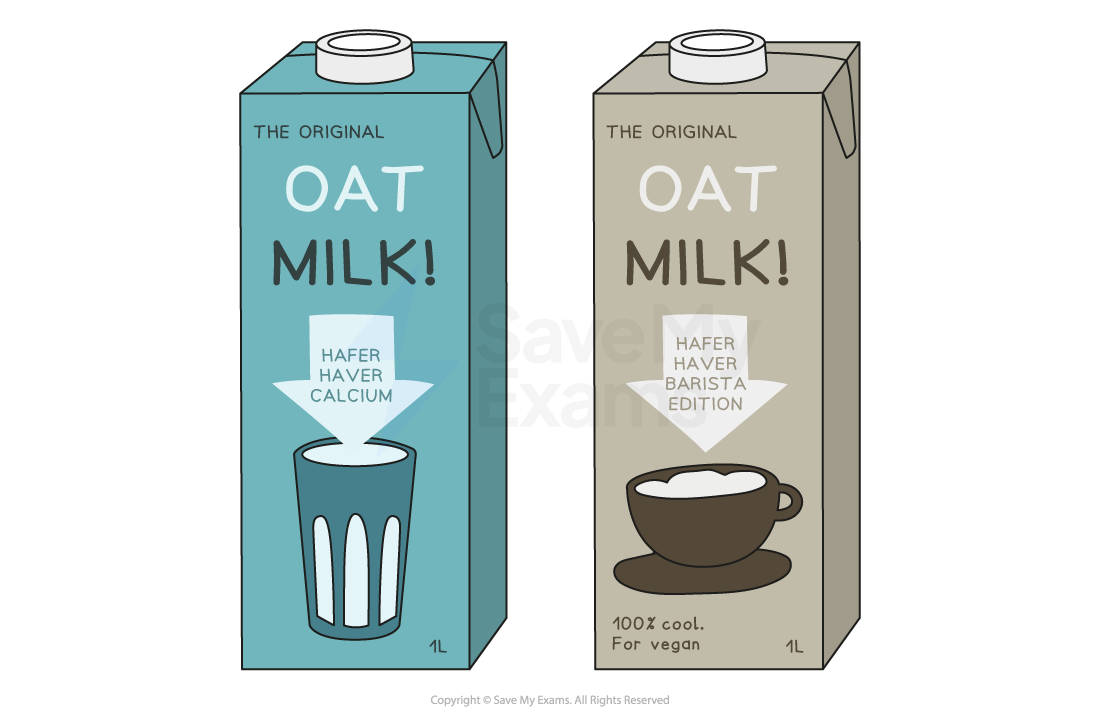
Values-driven product
Oatly markets itself as a sustainable alternative to dairy milk
Its packaging explicitly compares the carbon footprint of oat milk with cow's milk, speaking directly to environmentally conscious consumers
Anti-establishment personality
Its marketing is deliberately unconventional and self-aware, appealing to consumers who distrust corporate messaging and value authenticity
Lifestyle alignment
The brand is closely associated with the health-conscious, plant-based lifestyle segment
Products are prominently stocked in independent coffee shops and health food stores
Promotion
Campaigns focus on values and purpose rather than product features
Oatly's billboard campaign, "It's like milk, but made for humans", deliberately provoked the dairy industry to generate media coverage
Oatly's psychographic focus has built a loyal customer base willing to pay a premium for a product that aligns with their beliefs
Behavioural segmentation
Behavioural segmentation divides a market based on how customers actually interact with a product or brand
This may include their usage habits, loyalty, purchase frequency and response to marketing
It focuses on observed behaviour rather than who customers are or what they believe
Examples of behavioural segmentation
Usage frequency
Pret a Manger's subscription scheme targets daily visitors with discounted coffee, rewarding high-frequency customers and encouraging loyalty
Brand loyalty
Loyal customers may be rewarded with exclusive offers and early access to new products
Less loyal customers may respond better to price promotions or BOGOF deals
Purchase occasion
Thorntons targets consumers buying gifts for birthdays, Christmas and Valentine's Day rather than everyday chocolate buyers
Benefits sought
Different consumers buy the same product for different reasons
For example, some choose running shoes for performance, others for fashion and others for everyday comfort
Case Study
Tesco Clubcard
Tesco's Clubcard scheme is one of the most sophisticated examples of behavioural segmentation in UK retail
By tracking what customers buy, how often they shop and which promotions they respond to, Tesco divides its millions of customers into distinct behavioural groups
Purchase frequency
Customers who shop multiple times per week receive different offers from occasional visitors
High-frequency customers are rewarded with more points and priority promotions
Product choices
A customer who regularly buys organic produce receives targeted offers on organic products
One who frequently buys ready meals receives convenience-focused promotions
Brand loyalty
Customers who consistently choose Tesco's own-label products receive loyalty rewards
Those who tend to buy branded goods receive offers designed to encourage switching
Lapsed customers
Shoppers who have not visited recently are identified and targeted with promotional vouchers to encourage them to return
Since its launch in 1995, Tesco's Clubcard has collected purchase data from tens of millions of UK households, making it one of the most powerful behavioural segmentation tools in British retail

Unlock more, it's free!
Join the 100,000+ Students that ❤️ Save My Exams
the (exam) results speak for themselves:

Was this revision note helpful?
