Source A: SHEIN
SHEIN is an online fashion retailer. It has nearly 10 000 employees, sells in over 150 countries and operates in over 20 languages.
SHEIN's annual revenue target for 2025 is $58.5 billion, up from $22.7 billion in 2022. That would exceed the existing combined sales of its main competitors, H&M and Zara.
The average price of an item sold by SHEIN is just £7.90. The company's website has over 600 000 items on sale. It adds 6 000 new items each day.
SHEIN has a lean production model. It only produces 100 to 200 pieces of any item when launched and responds with increased production only if demand justifies it. The company uses computer models to try and estimate future sales accurately and match production to demand more closely than its competitors. Through its on-demand production, SHEIN is able to consistently limit the amount of excess inventory to a level that is much lower than traditional retailers.
The company supports its suppliers with training and investment in advanced technology. SHEIN ships orders to its customers directly, mostly from one huge warehouse near Guangzhou in China. This means that deliveries to customers around the world are slower than those of some competitors who have warehouses in different countries.
The fast fashion business model that SHEIN adopts has been widely criticised. It has been suggested that 8% of global carbon emissions are produced by the fashion industry. Fast fashion businesses are also criticised for encouraging consumers to replace, rather than repair or reuse clothing. Fast fashion allows customers to buy cheap products which they then discard, before quickly buying something new. There have also been criticisms of conditions in some of SHEIN's suppliers' factories in China.
SHEIN has now decided to focus more on environmental sustainability. It states, "Our operations are guided by a sustainability mindset tackling waste and circularity at every stage". The company aims to optimise the efficiency of its processes to conserve water, energy and raw materials while minimising waste. In September 2022, as part of its sustainability approach, SHEIN committed to reducing absolute (total) greenhouse gas emissions by 25% by 2030, when those of the industry are predicted to rise by 45% by 2030.
SHEIN has strict quality standards. Its approach includes a quality-check process where products are examined when they arrive at the warehouse. Factors tested include tear-strength and whether the colour of an item will fade when washed. Departments within the business are treated as if they are customers as part of its quality assurance approach.
SHEIN's values for employees include being good team-players who work well in a collaborative environment.
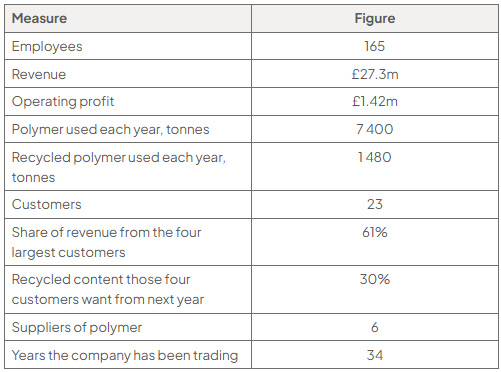
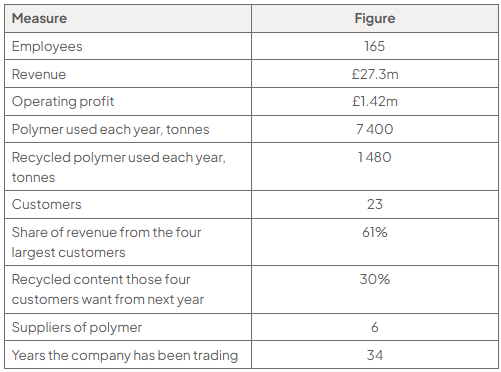
If SHEIN was seeking to launch a new range of clothing in 2026, it might consider two new suppliers: Xpress and Reliont. Appendix A shows information on these suppliers. The expected orders for the product in the first year would total 2.4 million units.
Source: Shein, 2024
Analyse one way in which improving the environmental sustainability of its operations might affect SHEIN's management of its supply chain.
Was this exam question helpful?