Decolonisation, Suez & Europe, 1951-1964 (AQA A Level History: Component 2: Depth study): Revision Note
Exam code: 7042

Summary
In 1956, Britain tried to seize the Suez Canal after Gamal Abdel Nasser nationalised it
The invasion was halted, however, under United States financial pressure
Suez showed that Britain could no longer act as a great power without American backing
This triggered a wider rethink of Britain's world role
Harold Macmillan's 1960 "Wind of Change" speech accepted African independence
Decolonisation moved quickly across the late 1950s and early 1960s
Britain stayed out of the European Economic Community (EEC) at first, helping to form the European Free Trade Association (EFTA) in 1960 as an alternative
Britain then changed course and applied to join the EEC in 1961
President de Gaulle vetoed Britain's application in 1963, leaving Britain outside Europe and without a clear new role in the world
The key question is whether Britain adjusted to the loss of empire successfully and on its own terms, or was forced into a painful and incomplete retreat by economic weakness and the actions of others
The Suez Crisis, 1956
Why did Suez matter to Britain?
The Suez Canal was one of the world's most important trade routes
It linked the Mediterranean Sea to the Red Sea and the Indian Ocean
This shortened the route from Europe to Asia and Australasia
Egypt's new leader challenged British influence in the region
Colonel Nasser became Egypt's president in 1956
He had risen to power after a nationalist revolt against the monarchy
Britain and the United States withdrew their offer to fund the Aswan Dam
Nasser responded by nationalising the Suez Canal Company in July 1956
Why did Eden decide to act?
British Prime Minister Anthony Eden believed Nasser had to be stopped
He saw Nasser as a dictator
Eden's views were shaped by his opposition to appeasement in the 1930s
He feared that failing to act would encourage further aggression
He also feared that Egypt was moving closer to the Soviet Union, giving the crisis a Cold War dimension
Most of the Cabinet supported military action
This included Chancellor Harold Macmillan
"The unilateral decision of the Egyptian Government to expropriate the Suez Canal Company, without notice and in breach of the Concession Agreements, affects the rights and interests of many nations. Her Majesty's Government are consulting other Governments immediately concerned, with regard to the serious situation thus created"
Anthony Eden, Prime Minister, statement to the House of Commons, 27th July 1956
Approach: Eden was explaining and defending the government’s position. It is useful for showing the government's first public case: that Egypt had acted unilaterally and in breach of its agreements. However, it does not reveal the secret military plan later agreed at Sèvres
Conspiracy and the invasion
Britain, France and Israel secretly agreed a plan at Sèvres, near Paris
Israel would invade Egypt first
Britain and France would then intervene
They would claim that they were separating the two sides
Their real aim was to regain control of the canal zone
The agreement was hidden from Parliament and the United States
This made the operation look like a peacekeeping action rather than a planned invasion
The invasion began at the end of October 1956
Israel attacked on the 29th October
The Anglo-French assault followed
The military operation progressed more slowly than planned
Why did Britain back down?
The United States refused to support the operation
This left Britain diplomatically isolated
A run on the pound created a serious financial crisis
Britain's gold and dollar reserves fell rapidly
The United States made clear that financial help would depend on a ceasefire
Britain could not protect sterling without American support
Britain accepted a ceasefire and withdrew
Macmillan had strongly supported the invasion
However, he became one of the first ministers to press for withdrawal once Britain's reserves fell
"We are under the heaviest financial pressure. The gold and dollar reserves have fallen by 279 million dollars in the first days of November. The Americans have made a plan that they will not extend sufficient support to sterling so long as our forces remain in operations at the canal. A ceasefire is the only option open to us if sterling is to survive the week."
A confidential memorandum from Harold Macmillan, Chancellor of the Exchequer to the Cabinet, 6th November 1956
Approach: It is valuable because it shows the private financial pressure behind the decision to accept a ceasefire. It is more revealing than the government’s public explanations. However, Macmillan was also defending his own change of position after supporting the invasion
The consequences of Suez
Eden's political career was destroyed
His health and reputation collapsed
He resigned in January 1957
The crisis forced Britain to rethink its role in the world
It showed that Britain could not act without at least the quiet support of the United States
It exposed how strongly economic weakness now shaped foreign policy
It weakened the belief that Britain remained a first-rank world power
Suez also strengthened Britain's dependence on the United States
Later governments placed even greater importance on repairing the special relationship
Examiner Tips and Tricks
You do not need to compare the sources. Judge the value of each one separately, then reach a clear judgement on each. Eden’s public statement shows the official justification for action. Macmillan’s confidential memorandum reveals the financial pressure that forced Britain to stop.
For each source, explain:
what it is valuable for
how its provenance affects that value
what it does not reveal
The "Wind of Change" and decolonisation
The retreat from empire had already begun
Britain's withdrawal from empire began before 1951
India and Pakistan gained independence in 1947
It became increasingly clear that Britain could no longer expect to maintain control over all the colonies
After the Second World War, nationalist movements became increasingly difficult to contain
Britain faced armed resistance in:
Malaya
Kenya
Cyprus
Other European powers faced similar pressures
France fought major conflicts in Vietnam and Algeria
Belgium and Portugal also faced growing resistance in Africa
British governments initially hoped that decolonisation could be gradual and controlled
They expected colonies to gain independence only when Britain judged them ready
However, nationalist pressure forced the process to move more quickly than expected
Case Study
The Mau Mau rebellion in Kenya
The Mau Mau rebellion began in Kenya in 1952
It was mainly supported by members of the Kikuyu community
The movement opposed British colonial rule and unequal access to land
Britain declared a state of emergency
Thousands of suspected Mau Mau supporters were detained
Jomo Kenyatta was imprisoned because the colonial authorities accused him of leading the movement
He later became the first prime minister of independent Kenya
The rebellion involved violence on both sides
Mau Mau fighters attacked colonial officials, settlers and Africans who supported British rule
British forces held tens of thousands of Kikuyu in detention camps, where torture and abuse were widespread
The Hola camp deaths of 1959 damaged Britain's reputation
Eleven detainees were killed by guards
The scandal increased criticism of British methods in Kenya
Britain defeated the rebellion militarily
However, the conflict showed that continued colonial rule would be costly and difficult
Kenya gained independence in 1963
Macmillan's "Wind of Change" speech
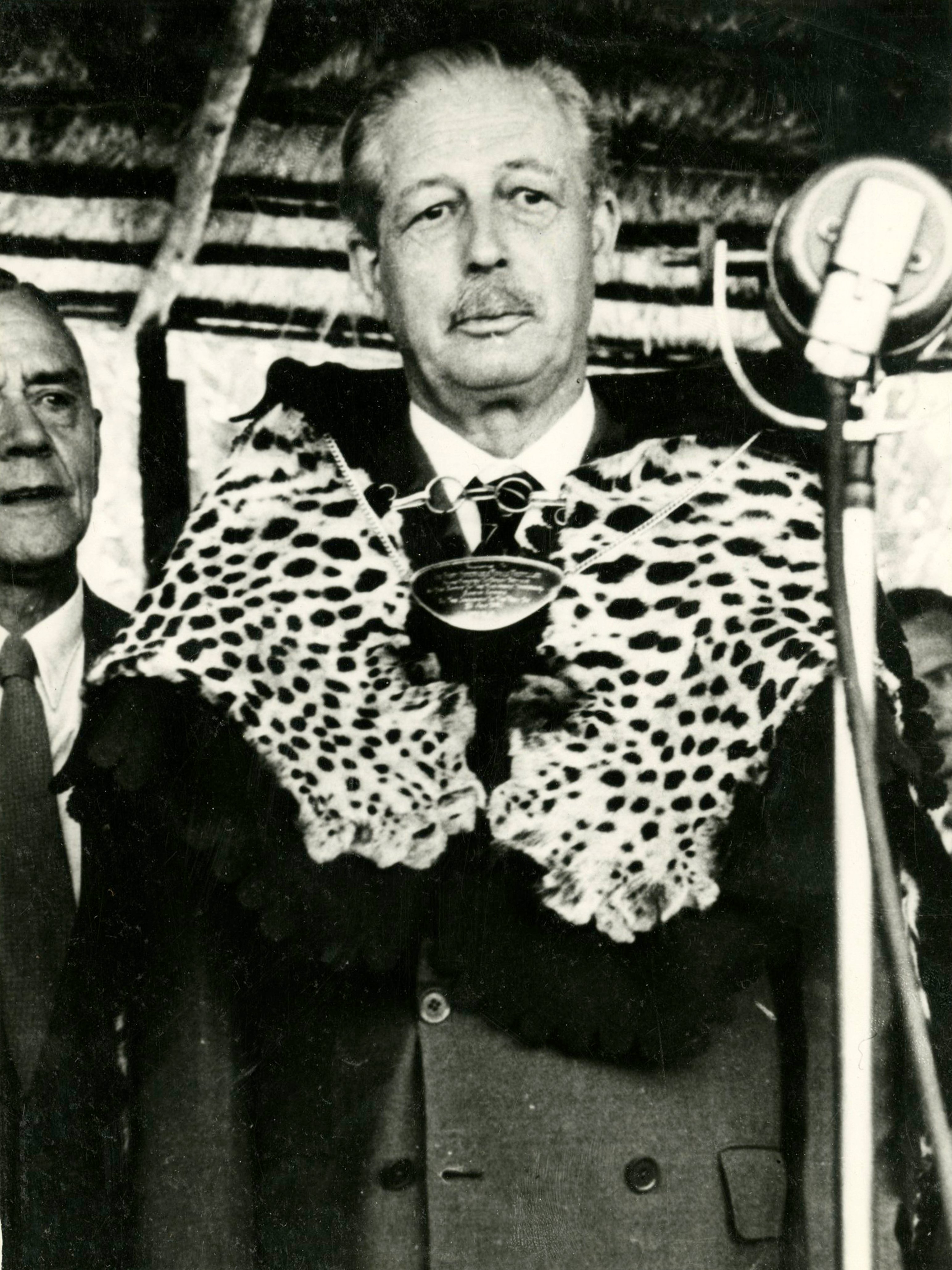
In 1960, Harold Macmillan gave a major speech in Cape Town, South Africa
He recognised that African nationalism had become too powerful to ignore
He signalled that Britain would no longer try to prevent African colonies from becoming independent
The speech represented an important change in British policy
Earlier governments had focused on defeating nationalist movements and maintaining colonial control
Macmillan accepted that Britain should manage decolonisation rather than resist it indefinitely
The speech also challenged apartheid South Africa
Macmillan warned the white-minority government that Britain could not support apartheid
South Africa chose to leave the Commonwealth in 1961
The message applied to Southern Rhodesia
Macmillan suggested that white-minority rule could not continue indefinitely
This angered many white settlers and worsened relations with Rhodesian leaders
"The world today is divided into three main groups. First there are what we call the Western Powers ... We in Britain belong to this group, together with our friends and allies in the Commonwealth. In the United States of America and in Europe, we call it the Free World. Secondly, there are the Communists – Russia and her satellites in Europe, and China. Thirdly, there are those parts of the world at present uncommitted either to Communism or to our Western ideas. The great issue is whether the uncommitted peoples of Asia and Africa will swing to the East or to the West... What is now on trial is much more than our military strength or our diplomatic and administrative skill. It is our way of life."
Harold Macmillan's "Wind of Change" speech, Cape Town, South Africa, February 1960
Approach: It is useful for showing how the British government presented its changing imperial policy. Macmillan described African nationalism as part of the wider Cold War struggle for influence. However, the speech does not fully reveal the violence, pressure and economic difficulties that had already pushed Britain towards decolonisation
The pace of decolonisation
Independence spread rapidly in the later 1950s and early 1960s
Ex-Colony | Became Independent |
|---|---|
Ghana | 1957 |
Malaya | 1957 |
Nigeria | 1960 |
Cyprus | 1960 |
Tanganyika | 1961 |
Sierra Leone | 1961 |
Uganda | 1962 |
Kenya | 1963 |
The Federation of Rhodesia and Nyasaland was dissolved in 1963
Nyasaland became independent as Malawi in 1964
Northern Rhodesia became independent as Zambia in 1964
Southern Rhodesia remained under white-minority rule
The Commonwealth changed as the empire declined
Former colonies could join as independent and equal members
Britain hoped the Commonwealth would preserve political, economic and cultural links
Decolonisation was, therefore, both planned and forced
Britain sometimes managed an orderly transfer of power
In other areas, nationalist resistance and colonial violence accelerated withdrawal
Examiner Tips and Tricks
Do not present the "Wind of Change" speech as the beginning of decolonisation. Britain had already left India, faced armed resistance in several colonies and granted independence to Ghana before Macmillan spoke.
Use Kenya to show that decolonisation was not always peaceful. Britain defeated the Mau Mau rebellion militarily, but the cost of the conflict and criticism of detention methods helped demonstrate that colonial rule could not continue indefinitely.
A strong judgement would be that Macmillan did not create the movement towards African independence. He recognised that it had become impossible for Britain to stop.
EFTA and attempts to join the EEC
Why did Britain stay out of Europe initially?
Six countries created the European Economic Community (EEC)
The Treaty of Rome established the EEC in 1957
Its members were:
France
West Germany
Italy
Belgium
the Netherlands
Luxembourg
These countries became known as the Six
Britain chose not to join at first
The Labour left distrusted the EEC's free-market approach
The Conservative right wanted to protect trade with the Commonwealth
Many politicians still believed Britain's most important interests were global rather than European
EFTA as an alternative
Britain helped to create the European Free Trade Association (EFTA) in 1960
Its members were:
Britain
Austria
Denmark
Norway
Portugal
Sweden
Switzerland
The EFTA became known as the Outer Seven
It was seen as an alternative to the EEC's Inner Six
However, the EFTA grew more slowly than the EEC
This made Britain's decision to remain outside the EEC look less successful
Britain changes its mind
Macmillan's government applied to join the EEC in 1961
The main reason was economic
EEC economies were growing faster than Britain's
Suez and rapid decolonisation had weakened Britain's global position
The United States also wanted Britain inside the EEC
It hoped Britain would act as a link between Europe and America
Negotiations were difficult
Edward Heath led the talks as Britain's chief negotiator
Britain wanted to protect Commonwealth trade
The EEC's agricultural policy was also difficult to accept
It supported European farmers in ways that conflicted with Britain's existing trade agreements
De Gaulle's veto, 1963
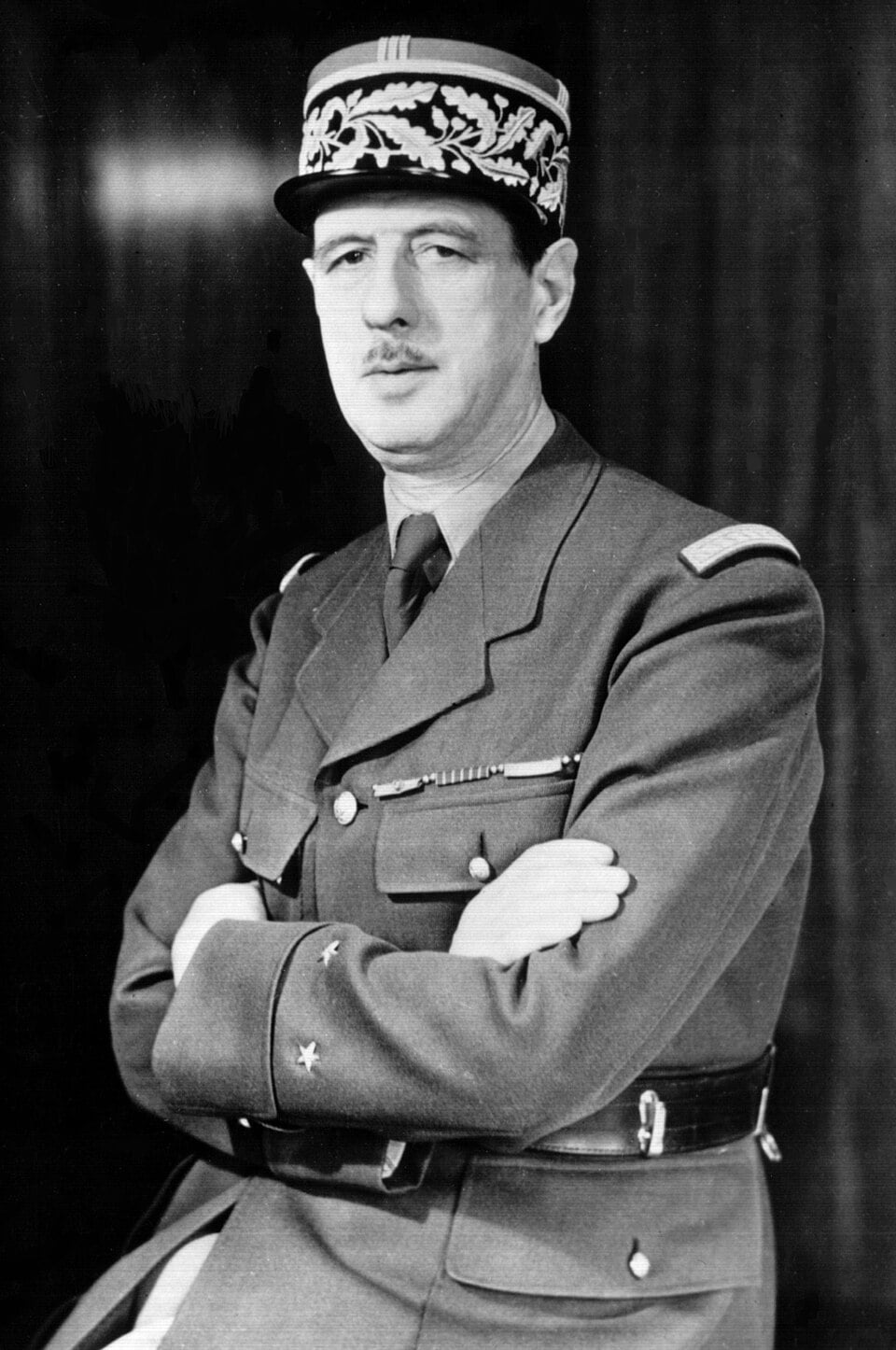
France blocked Britain's application in January 1963
President Charles de Gaulle argued that Britain was:
too closely tied to the United States
not fully committed to Europe
He also doubted whether Britain could adapt to the EEC
The veto shocked the British negotiating team
Many officials had believed an agreement was close
"When the Brussels negotiations resumed in January 1963 we were all very optimistic and an official English translation of the draft treaty was arranged. The French foreign minister was not present; we were told he had to attend de Gaulle's press conference. I concluded the meeting in an upbeat mood, saying: 'We all seem to be in complete agreement.' Immediately afterwards we were told what de Gaulle had said in his press conference. He claimed the negotiations had shown that Britain could not adapt to the ways of the Six; and criticised Britain's unwillingness to give up its 'special political and military relations' with the United States. We were all astonished and very worried about the future."
Edward Heath, writing about the veto in his autobiography The Course of My Life, published in 1998
Approach: It is useful because he had led Britain’s negotiations and could provide detailed information about what happened. However, he wrote it many years later and remained strongly committed to European integration. His account may therefore be shaped by hindsight and by his desire to defend Britain’s attempt to join
The rejection badly affected Macmillan
It left Britain outside the EEC
Britain also had no clear alternative strategy
"All our policies, at home and abroad are in ruins. Our defence plans have been radically changed, from air to sea. European unity is no more; French domination of Europe is the new and alarming feature; the popularity of our government is declining. We have lost everything except our courage and determination."
Harold Macmillan, recording his thoughts in his private diary after the rejection of the application to the EEC in 1963
Approach: It is valuable because it was not intended for the public and reveals how deeply the rejection affected him. However, it records one highly emotional moment and may exaggerate the long-term seriousness of the crisis
Examiner Tips and Tricks
Do not treat de Gaulle’s veto as the whole explanation. Britain had already delayed joining because of its Commonwealth links, the special relationship and divisions within British politics.
When using Heath’s memoir, explain both its strengths and limitations. It gives valuable detail from someone directly involved, but it was written decades later by a committed supporter of European integration.
How successfully did Britain adjust to the loss of empire?
This question weighs how well Britain managed the end of empire against the signs that the change was forced on it and left it without a clear new role
Some key evidence is outlined below for each side
The case that Britain adjusted successfully
Most colonies gained independence peacefully
Many remained linked to Britain through the Commonwealth
They joined as equal members rather than as colonies
Macmillan accepted that decolonisation could not be stopped
The "Wind of Change" speech showed Britain responding to African nationalism
Britain chose to manage independence rather than resist it indefinitely
Britain looked for new sources of influence
The attempt to join the EEC showed a move towards a more European future
Britain also relied more heavily on the special relationship with the United States
Britain kept some international influence
It remained a permanent member of the United Nations Security Council
It also retained nuclear weapons and important Commonwealth links
The case that adjustment was painful and incomplete
The Suez Crisis showed that Britain could no longer act as an independent great power
Withdrawal was forced by American and financial pressure
The crisis damaged Britain's international reputation
Decolonisation was often driven by weakness as well as choice
Britain could not afford to maintain its empire by force
Nationalist movements also made colonial rule harder to continue
The process was not always peaceful
Britain faced violent resistance in places such as Kenya, Malaya and Cyprus
Events such as the Mau Mau rebellion damaged Britain's reputation
The attempt to find a new role in Europe failed in the short term
De Gaulle vetoed Britain's EEC application in 1963
This left Britain outside Europe without a clear alternative
Britain's wider role remained uncertain as it increasingly depended on the United States
"The Prime Minister's handling of the Suez crisis has been characterised by a series of misjudgements. The decision to collude with Israel and France was without precedent in recent British diplomatic practice. The failure to secure American support in advance was unforgivable. The consequences will take years to repair. This is not a triumph, but a disaster."
An opinion piece published in The Observer, 4th November 1956
Approach: It is useful because it shows how critics judged the government’s actions at the time. However, it is a strongly critical opinion piece, so it should not be treated as a neutral account of events
Examiner Tips and Tricks
For an essay on this question, compare successful adaptation with forced retreat. The strongest judgement is that Britain adjusted in some practical ways, especially through the Commonwealth and the move towards Europe, but the process was painful and left Britain without a fully secure new role.

Unlock more, it's free!
Join the 100,000+ Students that ❤️ Save My Exams
the (exam) results speak for themselves:

Was this revision note helpful?