Heath's Government, 1970-1974 (AQA A Level History: Component 2: Depth study): Revision Note
Exam code: 7042

Summary
Edward Heath won the June 1970 general election on the Selsdon Park programme, promising tax cuts, trade union reform, and an end to state support for failing industries
The Industrial Relations Act (1971) failed to reduce industrial conflict
Rising unemployment and pressure on major industries contributed to the government's U-turn in 1972
Inflation and unemployment rose together
Economists describe this combination as 'stagflation'
Britain finally joined the European Economic Community (EEC) in January 1973
Miners' strikes in 1972 and 1974 challenged the government's pay policy
The second strike led to the three-day week
In Northern Ireland, Heath introduced direct rule in 1972
His government negotiated the Sunningdale Agreement in 1973
Unionist opposition prevented it from lasting
The key question asks whether Heath failed mainly because of his own decisions or because of pressures outside his control
Edward Heath as leader
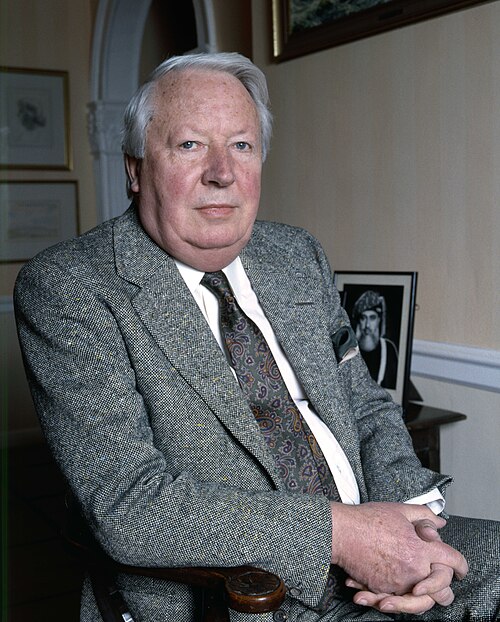
Edward Heath. Photo by Allan Warren, CC BY-SA 3.0, via Wikimedia Commons
Background and route to power
Heath came from a modest background and rose through ability rather than family connections
He was the son of a carpenter and a maid
He won a scholarship to Oxford University
He served as an army officer during the Second World War
In 1965, Heath became the first Conservative leader elected by ballot of MPs
Previous leaders had been chosen through consultation within the party leadership
He led the Conservatives to an unexpected victory in June 1970
The majority of opinion polls and commentators had predicted a Labour win
Heath's political outlook
Heath wanted to modernise Britain and improve economic efficiency
He strongly supported British membership of the EEC
He also remained committed to:
one-nation conservatism
full employment
These beliefs did not always fit easily together
Free market policies could increase unemployment
Heath later changed course when unemployment and industrial problems grew
Heath's record, 1970–1974
Heath took Britain into the EEC in January 1973
He regarded this as one of his government's main achievements
He abandoned his original economic strategy during the U-turn of 1972
His government faced major disputes with the trade unions
Miners' strikes took place in 1972 and 1974
Heath called the February 1974 election around the question, "Who governs Britain?"
The Conservatives did not win an overall majority
Heath's strengths and weaknesses
Strengths |
|
|---|---|
Weaknesses |
|
Examiner Tips and Tricks
Do not describe Heath simply as a weak leader. Link his qualities to their effects. His detailed knowledge helped him secure entry into the EEC while his difficult relationships with the union leaders made industrial disputes harder to settle
The U-turn of 1972 is important as it shows the conflict between Heath's free market programme and his commitment to full employment
Political and economic policies
The Selsdon Park Programme
In January 1970, the Conservative shadow Cabinet met at Selsdon Park to agree its election programme
It promised:
tax reform
cuts to spending
immigration controls
trade union reform
an end to support for 'lame duck industries'
Harold Wilson called the proposals 'Selsdon Man'
He used the phrase to present them as a return to harsh free-market policies
The programme did not completely reject the post-war consensus
Heath still accepted full employment as an important government aim
He remained a one-nation Conservative
Trade union reform
The Industrial Relations Act (1971) was the government's main attempt to reform industrial relations
Trade unions had to register to keep their legal protections
A National Industrial Relations Court was created
The Act allowed strike ballots and a cooling-off period before official strikes
The Trades Union Congress (TUC) and Confederation of British Industry (CBI) both opposed the Act
Trade unions refused to cooperate with the new system
Many unions would not register or recognise the court
Unofficial strikes organised by local shop stewards continued
The Act failed to reduce industrial conflict
It was later repealed after Labour returned to government in 1974
Barber and the economy
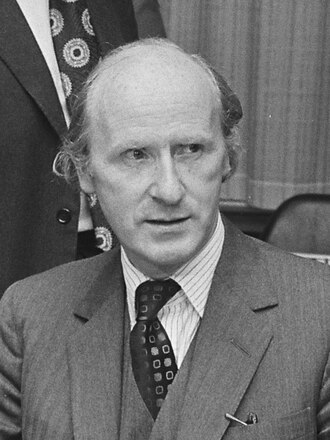
Chancellor Anthony Barber initially introduced cuts to public spending
In 1972 he changed direction
Tax cuts and higher government spending encouraged rapid economic growth
This became known as the 'Barber Boom'
Economic growth was accompanied by rising prices
Industrial output did not increase quickly enough to meet demand
Unemployment and inflation rose at the same time
Unemployment reached one million during the winter of 1971–1972
Economists used the term 'stagflation' for the combination of inflation and stagnant economic growth
Other domestic policies
His government introduced several other reforms
The school-leaving age was raised to 16 in 1972
Local government was reorganised
Britain introduced decimal currency in 1971
Examiner Tips and Tricks
Keep the economic sequence clear. Barber began with spending cuts but changed direction in 1972 by cutting taxes and increasing spending. This produced the Barber Boom, but inflation also rose
The 'u-turn' of 1972
Why did the government change course?
Rising unemployment made the policy of refusing to help 'lame duck' industries difficult to maintain
Unemployment reached one million, its highest level since the 1930s
Heath's commitment to full employment became more important than maintaining a consistent free market policy
Support for failing industries
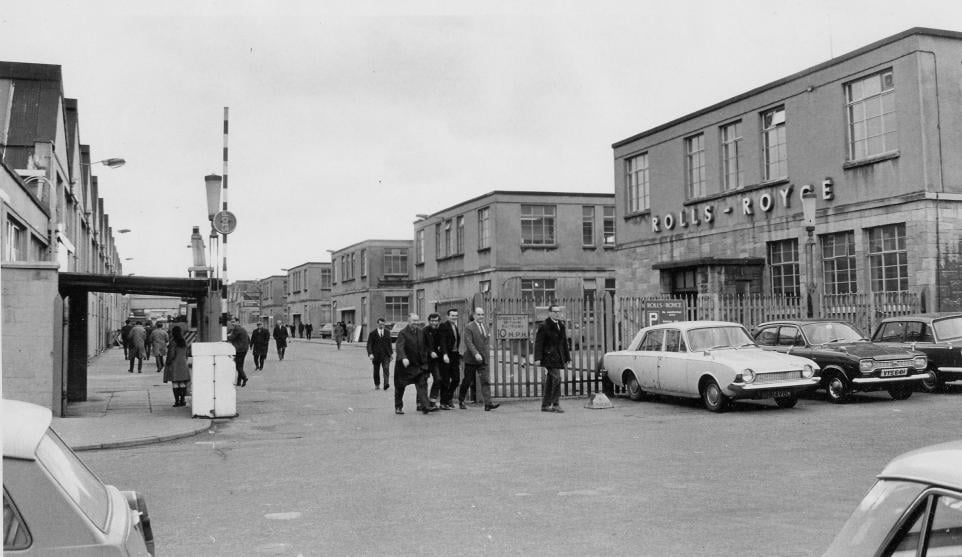
The government used public money to support companies it had previously said should be allowed to fail
Rolls-Royce was nationalised in 1971 after the aero-engine company collapsed
A work-in at the Upper Clyde Shipbuilders in 1971 placed pressure on the government to provide financial support rather than allow the yards to close
A return to government intervention
The Industry Act (1972) gave ministers powers to give direct financial support to industry
It aimed to bring the government, the TUC and the CBI together to discuss wages, prices, investment and benefits
The government also introduced legal controls over wages
This replaced the earlier promise to allow wages to be decided by the market
Enoch Powell and other Conservatives on the right criticised the change
By 1973, the new approach appeared to be producing some results
Unemployment had fallen to 500,000
Investment in modernising industry had increased
"Throughout this parliament we have been continuously engaged in the battle against inflation. Let no one say that we have not fought and fought hard. We were returned to office with a clear mandate from the electorate, a mandate to reform the law on industrial relations, to reform the system of housing finance, to reform the tax system and reduce taxation. All of this mandate has been carried out. Yes, and we were given a mandate to reduce inflation... We have been given all too little credit for the success we have achieved"
Edward Heath, Prime Minister speaking at the Conservative Party conference in 1972
Approach: This speech was delivered the same year as the U-turn. He was speaking to party members who might have seen the change in policy as a retreat from the Selsdon Park programme. Heath stressed that the government was still carrying out its election promises and presenting the changes as part of the fight against inflation
The source is therefore useful for showing how he defended the U-turn to his own party, although he had a clear reason to downplay how far government policy had changed
Examiner Tips and Tricks
Be precise about what the government reversed. The U-turn was a move away from allowing failing companies and wages to be governed mainly by the market. The government instead supported major industries, funded investment, and introduced controls over income
Do not describe the U-turn only as a sign of weakness. Link it to rising unemployment and his continued commitment to full employment
Industrial relations and the Miners' Strikes
Growing industrial unrest
Heath faced industrial disputes from the beginning of his government
Early disputes involved dockers, refuse collectors and power workers
Their actions led to power cuts
Further strikes in 1971 involved ambulance drivers, firefighters, civil servants, power workers, hospital staff and train drivers
In 1972, around 23,909,000 working days were lost through strikes
This was the highest total since the General Strike of 1926
The miners' strike of 1972
The National Union of Mineworkers (NUM) began a national strike over pay on the 9th January 1972
The strike took place during a period of severe winter weather
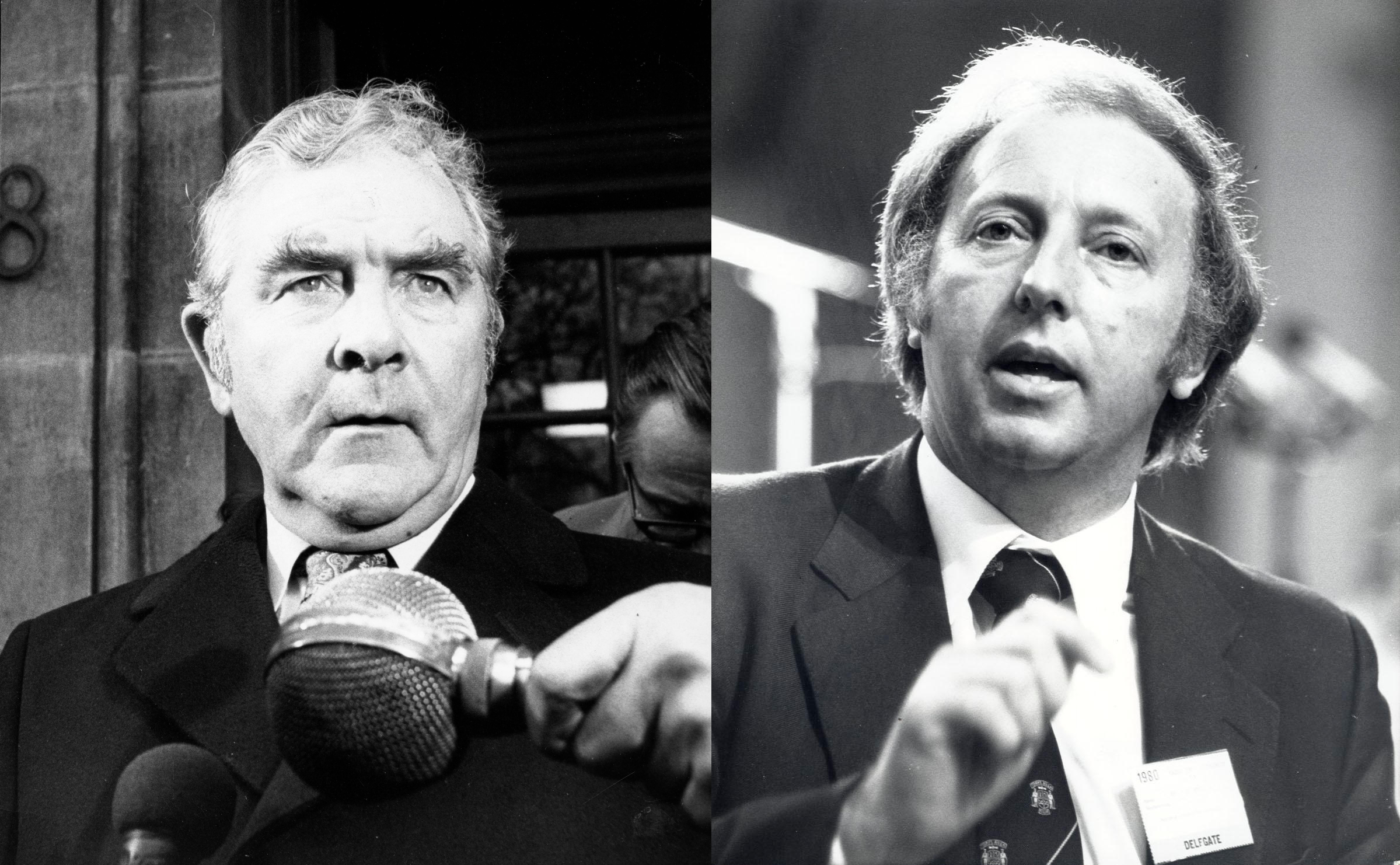
Flying pickets, organised in Yorkshire by Arthur Scargill, stopped coal moving around the country
On 10th February 1972, mass picketing closed the Saltley coke depot in Birmingham, a key victory for the miners
Power stations and coal depots were targeted
This placed pressure on the national energy supply during the harsh winter
The government declared a state of emergency on the 9th February 1972
Schools closed due to a lack of heating
Around 1.2 million workers were laid off
The government eventually accepted the miners' case
The Wilberforce Committee found that their pay claim was justified
NUM leader Joe Gormley negotiated a substantial settlement
The strike revealed divisions within the NUM
Gormley represented its more moderate leadership
Scargill supported more militant tactics, such as flying pickets
"You see, we took the view that we were in a class war. We were out to defeat Heath and Heath's policies because we were fighting a government. Anyone who thinks otherwise was living in cloud cuckoo land. We had to declare war on them and the only way you could declare war was to attack the vulnerable points. There were the points of energy: the power stations, the coke depots, the coal depots, the points of supply. And this is what we did [...] Well, the miners' union was not opposed to the distribution of coal. We were only opposed to the distribution of coal to industry because we wished to paralyse the nation's economy. It's as simple as that"
Arthur Scargill, in an interview with the journal New Left Review in 1975, reflecting on the miners' strikes of 1972 and 1974
Approach: As a leading Yorkshire miner and supporter of militant tactics, he presented the dispute as a deliberate struggle against the government rather than simply a pay claim.
This source is useful for showing the aims of the NUM's militant wing, but it does not represent all miners, especially moderates such as Joe Gormley
The road to the second strike
The 1973 oil crisis strengthened the miners' bargaining position
The Yom Kippur War in October led the Organisation of the Petroleum Exporting Countries (OPEC) to restrict oil exports and increase prices
Coal became more important as an alternative source of energy
The NUM submitted a large pay claim in November 1973
The demand exceeded the limits set by the government's incomes policy
Miners also introduced an overtime ban, reducing coal supplies
Heath moved Willie Whitelaw from the Northern Ireland Office to the Department of Employment in December 1973
Heath chose Whitelaw because he was seen as a skilled negotiator
He was expected to help settle the dispute with the miners
The talks failed
The miners rejected the government's offer
Heath refused to treat them as a special case
The NUM balloted its members, and a national strike began in February 1974
Examiner Tips and Tricks
Keep the two strikes separate. In 1972, flying pickets disrupted coal supplies, and the government accepted the Wilberforce settlement. In 1973–1974, the oil crisis increased the miners' bargaining power, while the overtime ban and national strike challenged the government's pay policy
Do not describe either dispute as only a disagreement about wages. Both became wider contests over whether the government or the trade unions had greater influence over pay and economic policy
The ‘Troubles’ in Northern Ireland and the Sunningdale Agreement
What did Heath inherit?
Heath took office in 1970 as violence in Northern Ireland continued to increase
Sectarian conflict was spreading
The British Army was struggling to maintain order
The Stormont government was under growing pressure
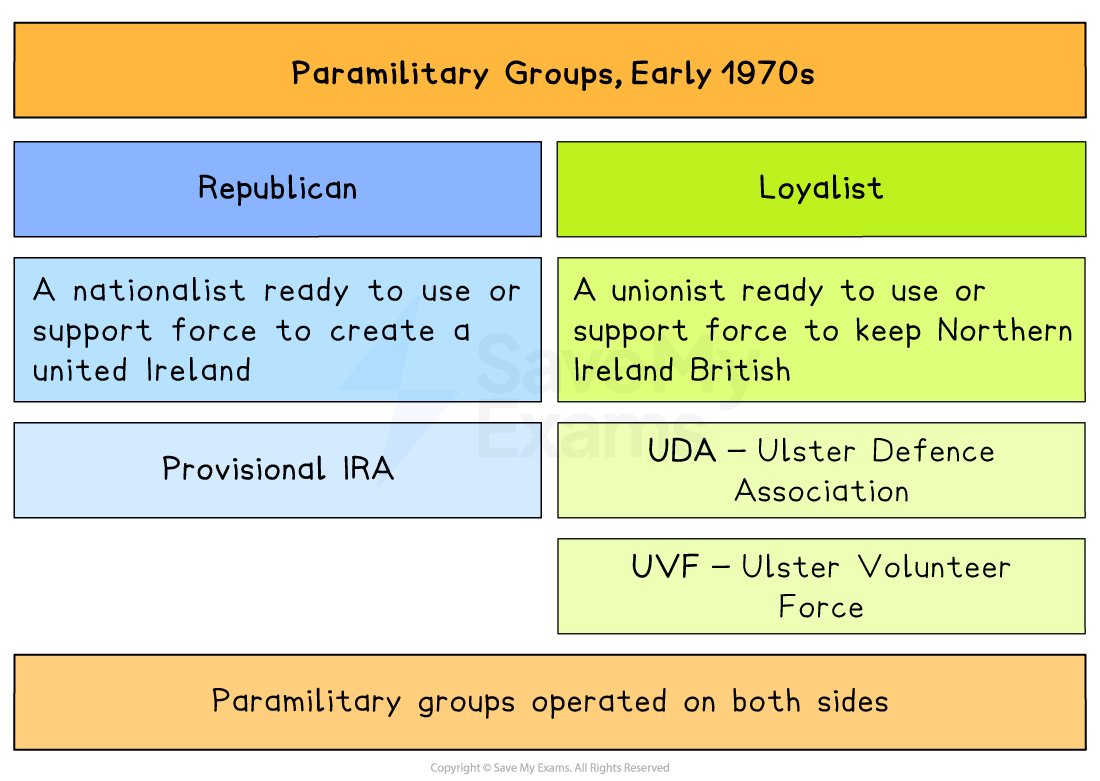
Paramilitary organisations operated on both sides
The Provisional Irish Republican Army (Provisional IRA) was republican
The Ulster Defence Association (UDA) and Ulster Volunteer Force (UVF) were loyalist
"Being convinced that the enemies of Faith and Freedom are determined to destroy the state of Northern Ireland and thereby enslave the people of God, we call on all members of our loyalist institutions, and other responsible citizens, to organise themselves immediately into platoons of twenty under the command of someone capable of acting as sergeant. Every effort must be made to arm these platoons with whatever weapons are available"
Taken from the Ulster Defence Association (UDA) leaflet that circulated in Protestant areas of Northern Ireland in 1971 to recruit members
Approach: Its religious and political language presents loyalist communities as being under attack and calls on Protestants to organise for their defence. It is useful for showing how the UDA justified recruitment, but it was written to persuade people to join and does not provide a neutral account of the violence
Internment and Bloody Sunday
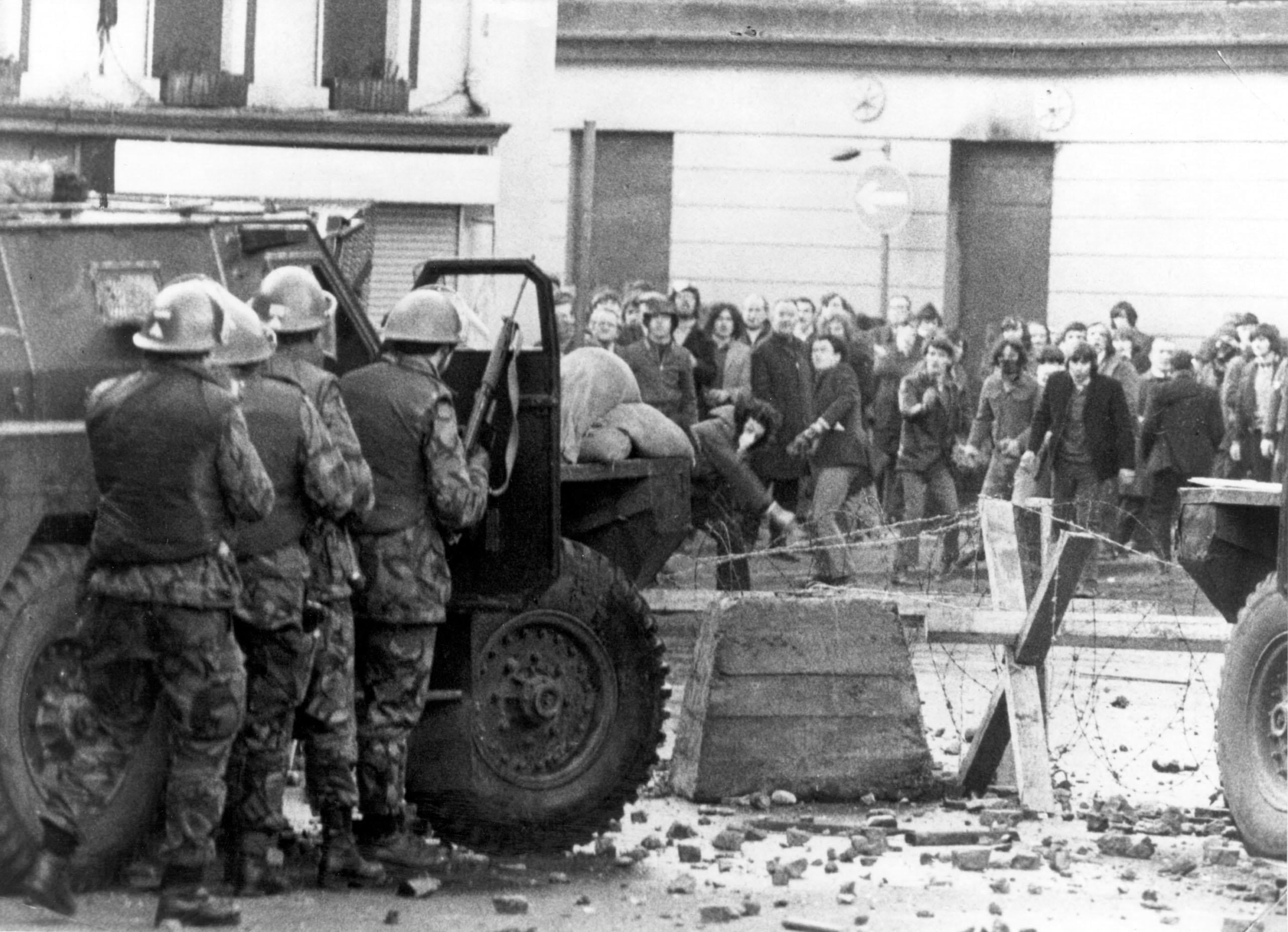
Heath initially supported the Unionist government led by Brian Faulkner
The Conservative and Unionist Party had close links with the Ulster Unionist Party (UUP)
Heath agreed to night-time curfews and the introduction of internment in 1971
Internment increased nationalist opposition
95% of those interned between 1971 and 1975 were Catholic
Republicans later described internment as one of the IRA's most effective recruiting tools
On the 30th January 1972, British soldiers opened fire during a civil rights march against internment in Derry
26 unarmed civilians were shot
13 died on the day
The event became known as 'Bloody Sunday'
The Widgery Tribunal reported in April 1972 that the army had acted in self-defence
Its findings were widely rejected by nationalists
The Saville Inquiry, set up by Tony Blair, reported in 2010 that none of those shot had posed a threat; Prime Minister David Cameron called the killings "unjustified and unjustifiable"
The British government issued an apology
Following Bloody Sunday, the British Embassy in Dublin was burned down
The IRA gained support and were able to raise significant funds in the United States
Violence continued to rise during 1972
Northern Ireland experienced:
1,382 explosions
10,628 shooting incidents
Around 480 deaths
"The decision was taken that Republicans would attend the march and there would be no aggro whatsoever. It was important to have thousands of people marching in the street against internment as opposed to us trying to take advantage. We all went to the march and we ended up in the Bogside with all the paratroopers shooting people dead. I saw people being killed all around me and there was nothing I could do. I was absolutely raging"
Martin McGuinness, second-in-command (adjutant) of the Provisional IRA in Derry at the time of Bloody Sunday, interview given in the early 1990s
Approach: It is important to note that this recollection was recorded around 20 years later. However, his account is useful for showing how Republicans remembered the march and the anger caused by the shooting.
However, he had a reason to defend the marchers and criticised the army, so his testimony should be compared with other eyewitness accounts and official inquiries
Direct rule and the search for a settlement
Heath suspended the Stormont parliament in March 1972
Direct rule from Westminster was introduced
Willie Whitelaw became Secretary of State for Northern Ireland
Heath looked for a political solution as well as a security one
He wanted an agreement that both communities could accept
Talks with the Northern Irish parties led to the Sunningdale Agreement in December 1973
Sunningdale created two new institutions:
a power-sharing executive in which unionists and nationalists governed together
a Council of Ireland linking Northern Ireland and the Republic of Ireland
Unionist opposition to Sunningdale
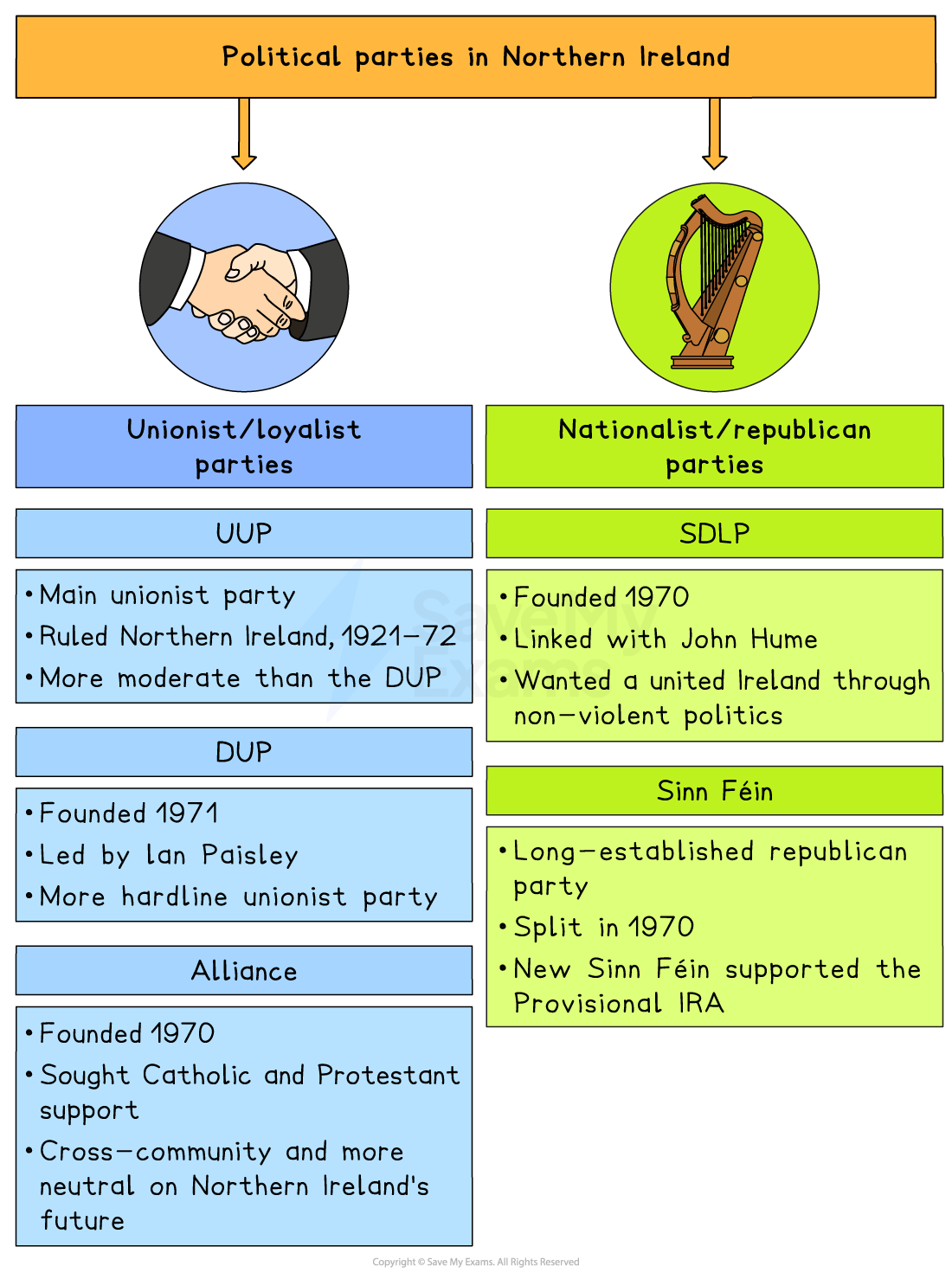
Opposition began soon after the agreement
Ian Paisley's DUP, the UVF and the UDA described it as a sell-out
The proposed Council of Ireland was seen by opponents as a step towards a united Ireland
The UUP withdrew its support
It voted against the agreement in January 1974
Faulkner was replaced as party leader by Harry West
The February 1974 election weakened support for Sunningdale
Anti-Sunningdale parties agreed to run a single candidate in each constituency
Pro-agreement votes were divided
11 of Northern Ireland's 12 seats were won by candidates opposed to the agreement
The power-sharing executive survived until May 1974
Examiner Tips and Tricks
Northern Ireland also affected Heath's position at Westminster. Unionist opposition to Sunningdale weakened Conservative links with the UUP, which mattered after the inconclusive February 1974 election. Make sure you connect these.
The three-day week & the February 1974 election
The three-day week
Heath introduced the three-day week on the 1st January 1974, to reduce electricity use during the miners' overtime ban
Commercial users were limited to three days of electricity each week
Petrol ration coupons were issued, although rationing was never introduced
A 50 mph speed limit was introduced on all roads
Television broadcasts ended at 10:30 pm
The effects were uneven
Many workers were temporarily laid off
Claims for temporary unemployment payments increased sharply
Some employees worked longer shifts on the days when electricity was available
Output fell less than expected, while wages also changed little
The 'Who governs Britain?' election
Heath called a general election for 28th February 1974
He presented the central question as 'Who governs Britain?'
Voters were asked to choose between the authority of the elected government and the power of trade unions
Opinion polls favoured the Conservatives for much of the campaign
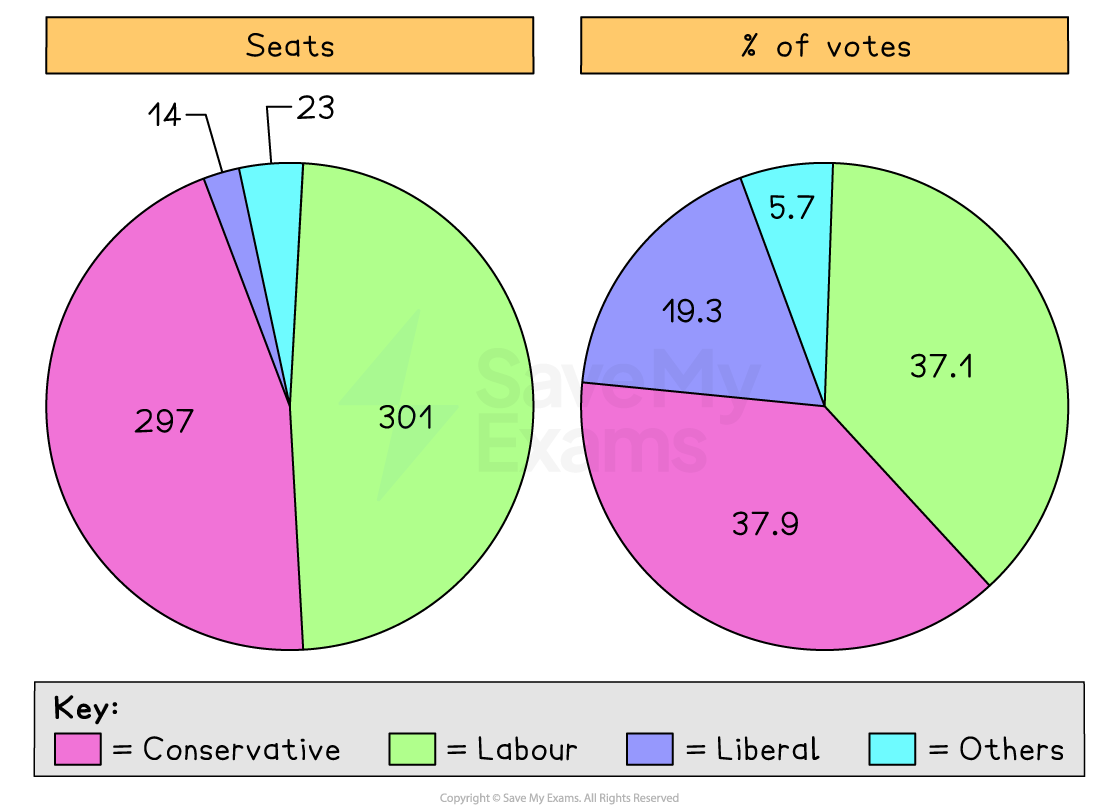
The final result produced a small swing against the government
Party | Seats | Share of the Vote (%) |
|---|---|---|
Labour | 301 | 37.1 |
Conservative | 297 | 37.9 |
Liberal | 14 | 19.3 |
Others | 23 | 5.7 |
An inconclusive result
The election produced the first hung parliament since 1929
The Conservatives won a slightly larger share of the vote than Labour
Labour won more seats because its support was spread more effectively
Labour remained 17 seats short of an overall majority
Heath tried to remain in office
He spent several days negotiating with Jeremy Thorpe's Liberal Party
Even with the Liberals' 14 MPs, the Conservatives would still have been short of a Commons majority, so Heath also needed Ulster Unionist support
Thorpe refused to support a Conservative government
Heath also lost further support from Northern Ireland
The seven Ulster Unionist Party (UUP) MPs refused to take the Conservative whip following the dispute over Sunningdale
Without Liberal or Unionist support, Heath could not command a majority
Wilson formed a minority Labour government on the 4th March 1974
Examiner Tips and Tricks
Do not explain Heath’s defeat only through the miners’ strike. Industrial conflict damaged the government, but the election result also depended on the distribution of seats, the loss of Ulster Unionist support and Heath’s failure to reach an agreement with the Liberals
The Conservatives won more votes than Labour but fewer seats. This makes the election useful evidence that winning the popular vote did not guarantee control of Parliament
How successful was Heath's government, 1970-1974?
Heath's government had some important achievements but its economic and industrial policies produced limited results
Its record was also shaped by problems that had begun before 1970 or developed outside Britain
Some key evidence for each side is noted below
Where the government fell short
Heath abandoned much of the Selsdon Park programme within two years
The government returned to supporting struggling industries
It introduced controls over wages and prices
The Industrial Relations Act (1971) failed to reduce industrial conflict
Many unions refused to register or recognise the new court
Strike action continued
Inflation was higher when Heath left office than when he entered it
The miners defeated the government's pay policy twice
The 1972 strike ended with the government accepting the Wilberforce pay award
The 1974 strike contributed to the three-day week and the February election
Heath called the February 1974 election around the question, 'Who governs Britain?'
The Conservatives won more votes than Labour but fewer seats
Heath could not secure enough support to remain in office
The Sunningdale Agreement failed to maintain unionist support
The seven Ulster Unionist Party MPs no longer took the Conservative whip
Their absence weakened Heath's position after the election
Problems facing the government
The 1973 oil crisis caused a sharp rise in energy prices
Oil prices increased to around four times their previous level
The crisis affected economies across the Western world
Heath's government faced 'stagflation'
Inflation and unemployment rose together
Earlier governments had not found a solution to this problem
Trade unions resisted attempts to control wages
Their bargaining position was strengthened by the government's commitment to full employment
Violence in Northern Ireland had already escalated before he took office
No previous British government had secured a lasting political settlement
Examiner Tips and Tricks
A strong answer should separate problems Heath inherited from the results of his own policies. The oil crisis and the 'Troubles' were not created by the government, but the failure of the Industrial Relations Act and the decision to call the February 1974 election were directly connected to Heath's choices

Unlock more, it's free!
Join the 100,000+ Students that ❤️ Save My Exams
the (exam) results speak for themselves:

Was this revision note helpful?