Liberal Reforming Legislation, 1964-1970 (AQA A Level History: Component 2: Depth study): Revision Note
Exam code: 7042

Summary
Most liberal reforms between 1964 and 1970 were introduced through private members' bills
MPs were usually given a free vote
Roy Jenkins helped by allowing enough parliamentary time for the bills to pass
The Murder (Abolition of Death Penalty) Act (1965) suspended hanging for five years
Abolition was made permanent in 1969
The Divorce Reform Act (1969) replaced the need to prove a matrimonial offence with the principle of irretrievable breakdown
Divorce rates increased sharply during the 1970s
The Abortion Act (1967) legalised abortion with the approval of two doctors (in practice up to 28 weeks, under the 1929 Act)
The Sexual Offences Act (1967) decriminalised homosexual acts between men aged 21 or over in private
Circular 10/65 asked local authorities to reorganise secondary education along comprehensive lines
By 1970, there were 1,145 comprehensive schools
Labour also founded the Open University
The key question asks how far liberal reform transformed British society, or whether the law changed more quickly than public attitudes and everyday life
Private members' bills and the end of capital punishment
How liberal reforms became law
Most liberal reforms between 1964 and 1970 were introduced as private members' bills
These were proposed by individual backbench MPs rather than by the government
Bills were unlikely to pass unless the government made enough parliamentary time available
Questions involving personal morality were usually treated as matters of conscience
MPs were given a free vote on moral issues
This means they could vote according to their own views, rather than following the party line
Neither Labour nor the Conservatives made these reforms part of their election manifestos
Support for reform came from MPs across the political parties
Sydney Silverman and Leo Abse were Labour backbenchers
David Steel was a Liberal MP
The reforms were, therefore, not ordinary Labour government measures
Roy Jenkins played an important role as Home Secretary from December 1965 to 1967
He supported liberal reform and ensured that private members' bills received enough parliamentary time
This helps to explain why several reforms became law within a relatively short period
Other senior Labour figures were more cautious
Harold Wilson and George Brown held more conservative views on some moral issues
Many working-class MPs were also suspicious of change
Allowing backbenchers to lead the reforms meant the government could provide parliamentary time without formally taking responsibility for the outcome
The end of capital punishment
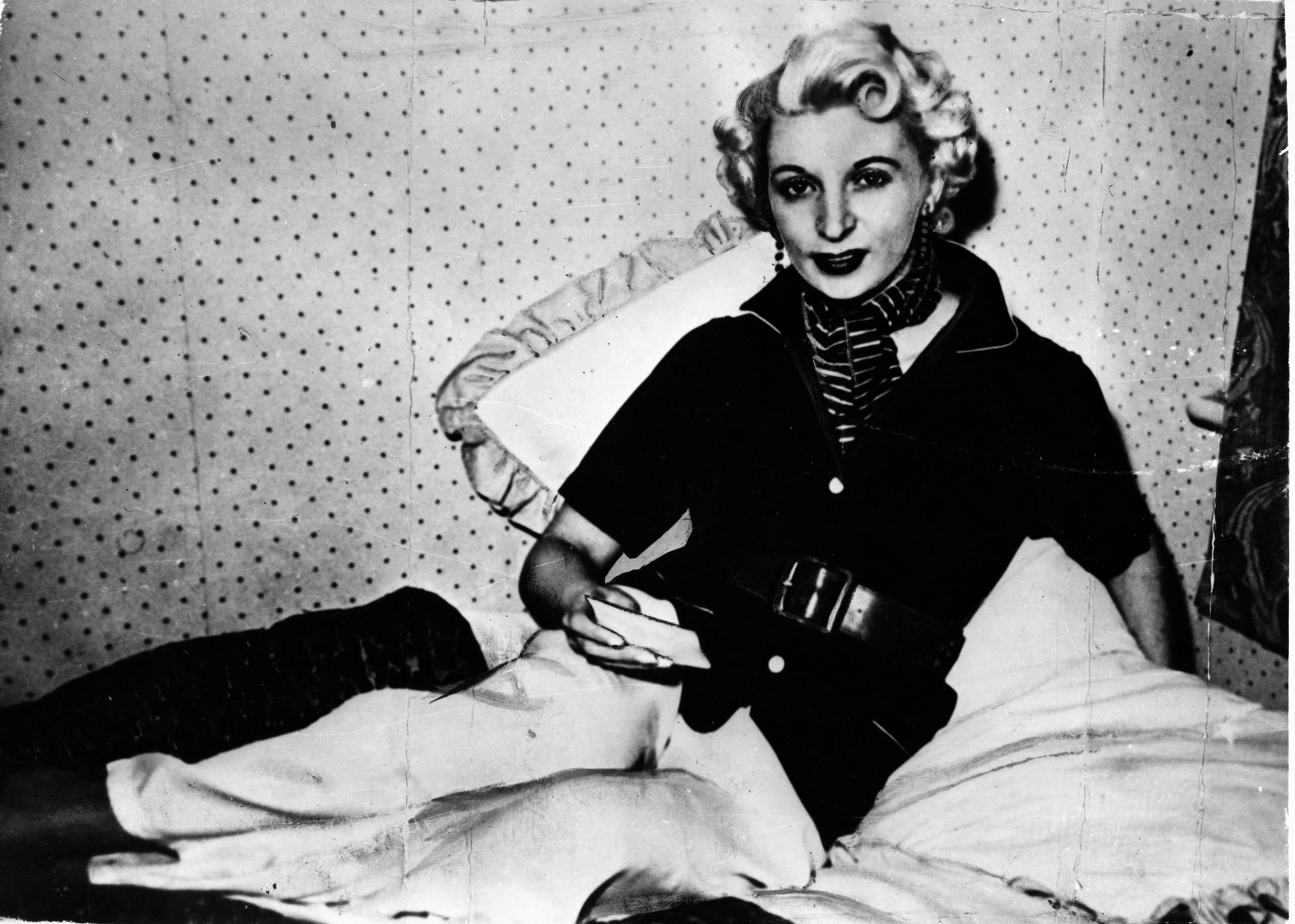
Credit line: Keystone Press/Alamy
The Homicide Act (1957) had already limited the death penalty to certain types of murder
The distinctions created inconsistencies
For example, a murderer who used a gun could face execution while one who used poison might not
The execution of Ruth Ellis in 1955 strengthened the campaign against capital punishment
Ellis was the last woman to be hanged in Britain
Labour backbencher Sydney Silverman led the parliamentary campaign for abolition
His private member's bill received its second reading on the 21 December 1964
MPs supported it by 355 to 170 in a free vote
"This is a Private Member's Bill. The Government are officially neutral about it. The vote will be, as it has always been with the notable exception of that on the Homicide Act, 1957, a free vote of the House, but I hope that on this occasion we may count on the neutrality of the Government being a benevolent neutrality"
Sydney Silverman MP's speech moving the second reading of the Murder (Abolition of Death Penalty) Bill, House of Commons, 21 December 1964
Approach: Silverman’s speech explains how supporters intended to secure abolition through a private member’s bill. He stresses that the government was officially neutral, although he hoped ministers would allow the bill enough time to pass. As the MP sponsoring the measure, he understood the parliamentary process well, but he also had a clear reason to present government neutrality as helpful
The Murder (Abolition of Death Penalty) Act (1965) suspended hanging for murder for a trial period of five years
In December 1969, the House of Commons voted to make abolition permanent
The impact of the abolition was debated
Supporters had argued that ending hanging would reduce murder and violent crime
The expected fall did not occur
Other changes to the criminal justice system followed during Jenkins's time as Home Secretary
The beating of prisoners ended after 1967
Majority verdicts were introduced in England, allowing a jury decision when 10 of the 12 jurors agreed
Examiner Tips and Tricks
Be precise about how these reforms became law. The Labour government did not introduce most of them as government legislation. Backbench MPs proposed the bills, MPs voted freely and Roy Jenkins helped by providing parliamentary time
This process is also useful when judging the extent of change. It explains why several reforms were passed quickly, but the free votes also show that each reform divided both main parties
Divorce reform
The law before 1969
Divorce required proof that one partner had committed a matrimonial offence
Adultery was the most common ground, but had to be proved in court
Couples who had simply grown apart had no straightforward way to end their marriage
Access to divorce often depended on income
Wealthier people could pay private detectives to collect the evidence required by the courts
Roy Jenkins believed that the existing divorce laws were outdated and needed reform
The Divorce Reform Act, 1969
The Divorce Reform Act (1969) replaced the need to prove a matrimonial offence with the principle of irretrievable breakdown
A couple could divorce after:
living apart for two years, where both partners agreed
living apart for five years where one partner did not agree
The Act came into force in 1971
Impact and opposition
Divorce rates rose sharply after the Act came into force
In 1950, there were fewer than 2 divorce decrees per 1,000 married couples in England and Wales
By the mid-1970s, the figure was close to 10 per 1,000
The Act was not the only reason for this rise
Divorce rates had already been increasing before 1969
Greater financial independence among women also made it easier to leave an unhappy marriage
The reform faced strong opposition in Parliament
Critics argued that easier divorce would weaken marriage rather than strengthen it
Some opponents also based their objections on Christian teaching, including Victor Goodhew
"I say, quite firmly, that I shall vote against the Bill because I see it as a part of a pattern of gradual erosion of the standards of Christian upbringing which are being forced upon this country by a small minority. It has been suggested that the object or the effect of the Bill will be to strengthen marriage. I cannot imagine a young couple entering into marriage, whenever the Bill comes into force, and knowing that they have only to separate for two years and live apart to agree to the break-up of the marriage, would feel that that is strengthening marriage in their eyes... I feel that once they open the floodgates, the numbers will be much larger than they have ever imagined"
A speech made by Victor Goodhew, Conservative MP for St Albans in the House of Commons, 12 June 1969
Approach: Victor Goodhew opposed the Bill because he believed that easier divorce would encourage couples to give up on marriage too quickly. His speech is useful for showing that the reform remained controversial in 1969 and that religious and moral objections were still influential. However, it represents the views of an opponent and does not show how widely these arguments were accepted
Examiner Tips and Tricks
Be careful when using divorce statistics. The Act contributed to the rise in divorce, but it was not the only cause. Stronger answers also considered changes in social attitudes, women's financial independence and the fact that divorce rates were already increasing before 1969
The legalisation of abortion, 1967
The law before 1967
Abortion was illegal except on strict medical grounds
The Offences Against the Person Act (1861) governed the law in England and Wales
The Bourne case of 1938 established that a doctor could act where continuing a pregnancy would seriously damage a woman's health
However, the legal limits here still remained unclear
Illegal abortion was widespread and dangerous
Estimates suggest that 100,000–200,000 illegal abortions took place each year
Around 35,000 women a year were admitted to hospital with complications
Between 1958 and 1960, 82 women died following illegal abortions
Access depended partly on income
Women who could afford private fees could obtain treatment in a clinic
Women without the money often had fewer and more dangerous options
"The fourth category comprises those which are illegal but have a covering of legality, those where the patient, because of her financial circumstances, is able to find or be directed to medical practitioners or psychiatrists who will sign the necessary certificates to cover the existing law on payment of a fee of perhaps 100 or 200 guineas and have the operation carried out in adequate circumstances. This is limited, of course, to those with the means to pay the substantial fees involved. Any law which means one law for the rich and another for the poor is in itself unsatisfactory and should be examined"
David Steel MP, speaking to move the second reading of the Medical Termination of Pregnancy Bill, House of Commons, 22 July 1966
Approach: David Steel argued that the existing law was unequal because wealthier women could pay for private treatment while poorer women faced greater risks. His speech is useful for showing that supporters presented reform in terms of safety and access to medical care rather than abortion as an unrestricted personal choice
Pressure for reform
The Abortion Law Reform Association had campaigned for change to the law since 1936
The thalidomide disaster of 1959 to 1962 increased support for reform
Thalidomide had been prescribed to some pregnant women for morning sickness
It caused severe abnormalities in some unborn children
Public opinion polls showed majority support for abortion where abnormalities had been detected
Reform also faced organised opposition
The Society for the Protection of Unborn Children (SPUC) was founded in 1967
It opposed any further liberalisation of the law
The Abortion Act, 1967
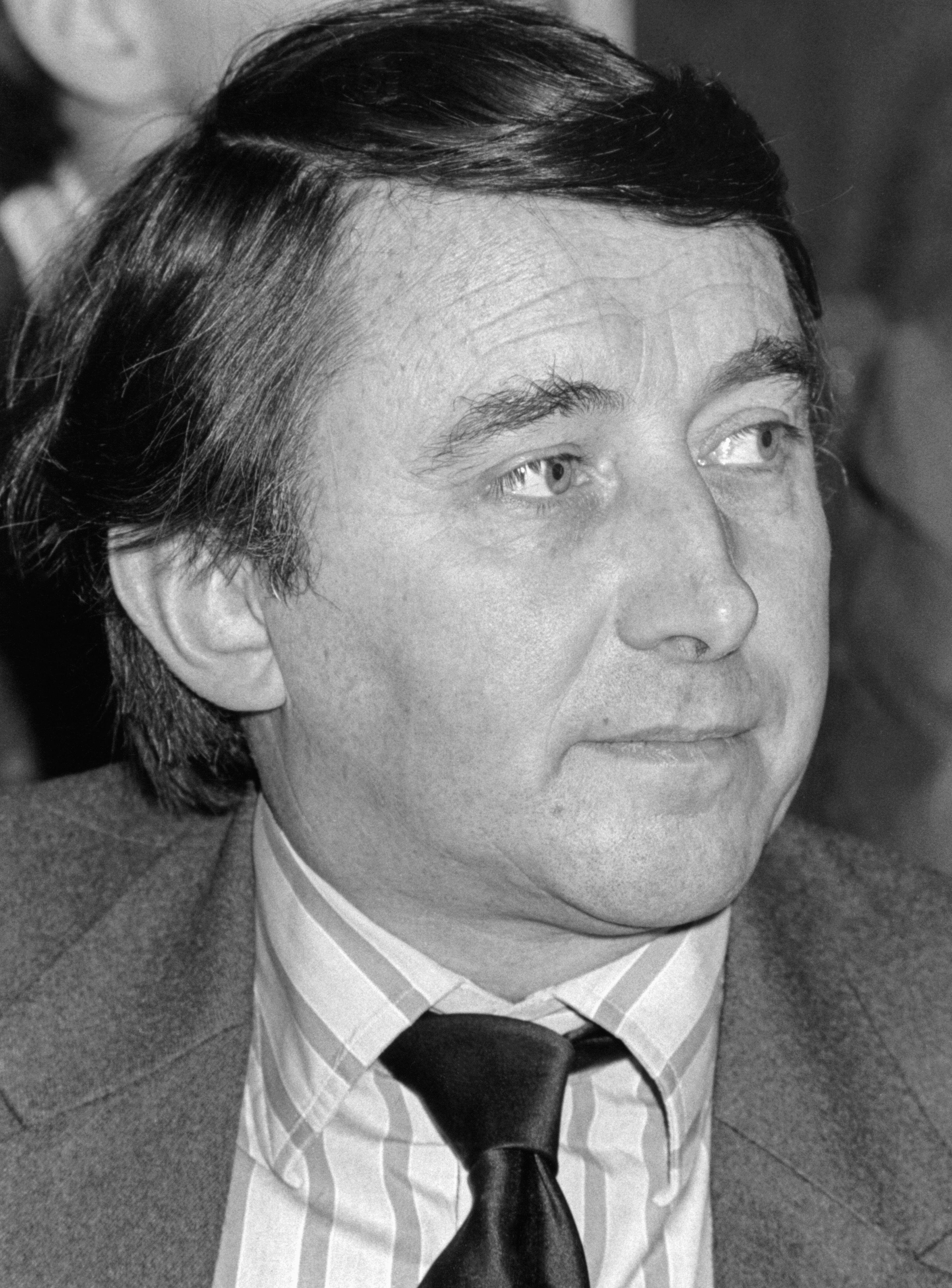
Credit line: Sueddeutsche Zeitung Photo/Alamy
Liberal MP David Steel introduced the bill as a private member's bill
Roy Jenkins arranged an all-night Commons sitting so that the bill could complete its parliamentary stages
The Abortion Act (1967) legalised abortion where two doctors agreed the pregnancy met the legal grounds
The Act itself set no time limit
In practice, abortions were limited to 28 weeks, under the earlier Infant Life (Preservation) Act (1929)
The Act applied to England, Wales and Scotland
It did not extend to Northern Ireland
Impact of the Act
The number of recorded abortions increased after the Act came into force
The rate rose from 4 per 100 live births in 1968 to 17.6 per 100 in 1975
This does not prove that the overall number of abortions increased by the same amount
Some abortions that had previously taken place illegally were now carried out legally and included in official figures
The Act made legal abortion more widely available
However, access still depended on the approval of two doctors
Examiner Tips and Tricks
When assessing the impact of the Act, distinguish between a rise in recorded abortions and a rise in the total number of abortions. Some of the increase reflected procedures moving from illegal settings into regulated medical care
The legalisation of homosexual relations, 1967
The law before 1967
Sexual acts between men were considered a criminal offence
Men convicted of "gross indecency" could be imprisoned for up to two years
Enforcement varied between police forces
This means that prosecution rates were inconsistent
The Wolfenden Report (1957) recommended that homosexual acts between consenting adults in private should no longer be criminal
The Conservative governments of 1957 to 1964 did not act on the recommendation
Labour was also divided on the issue after taking office in 1964
The law made homosexual men vulnerable to blackmail
Reporting a blackmailer could expose the victim to prosecution
The Sexual Offences Act (1967)
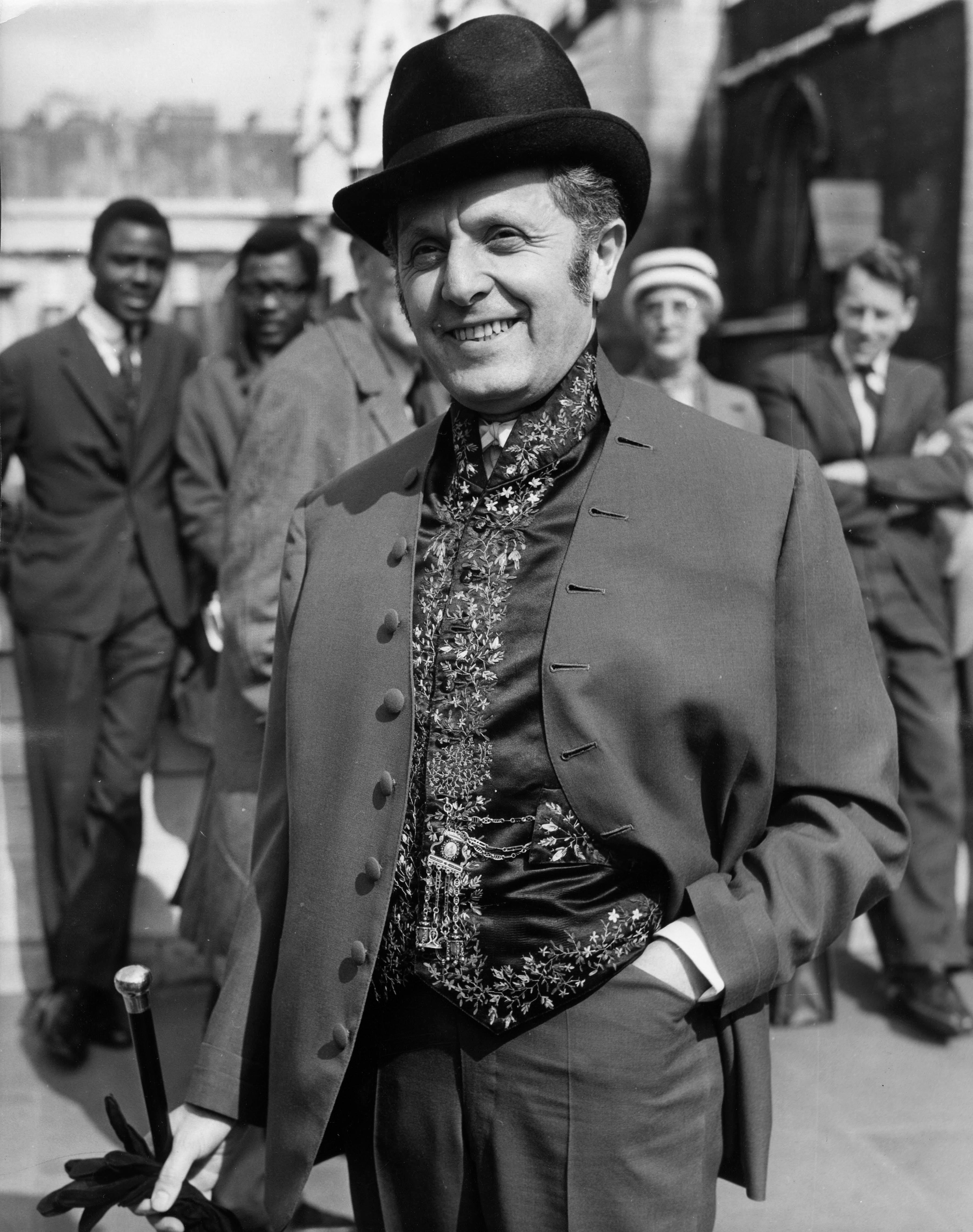
Labour backbencher Leo Abse introduced the reform as a private member's bill
Roy Jenkins helped by allowing enough parliamentary time for the bill to pass
The Sexual Offences Act (1967) decriminalised some homosexual acts between men:
both men had to consent
both had to be aged 21 or over
the act had to take place in private
The conditions were narrowly defined
"In private" meant that no third person could be present elsewhere in the building
The age of consent remained higher than the heterosexual age of consent of 16
Members of the armed forces and merchant navy were excluded
Some men welcomed the change but remained cautious about being open about their sexuality
The reform did not end social prejudice or discrimination
The Act applied only to England and Wales
Scotland and Northern Ireland were not covered by the 1967 Act
"To these men, what does the law say? It does not give them the choice of saying that they may live out their lives in discretion. It does not give them the choice that they may live out their lives away from public view provided that they do not flaunt their conduct. The law as it stands does not give them the choice to live out their lives provided that they never corrupt a young person. In fact, the law gives them a brutal choice. It offers them either celibacy or criminality, and nothing in between"
Leo Abse, Labour MP for Pontypool, speaking to move the second reading of the Sexual Offences (No.2) Bill in the House of Commons, 19 December 1966
Approach: Leo Abse argued that the existing law forced homosexual men to live in secrecy and denied them privacy. However, he did not argue for full legal equality. His speech reflects the limited nature of the reform, which removed criminal penalties only in tightly defined circumstances
Examiner Tips and Tricks
Do not write that the Sexual Offences Act (1967) legalised homosexuality. It decriminalised homosexual acts between consenting men aged 21 or over in private and only in England and Wales. The age limit, privacy rules and exclusions show that the reform remained restricted.
It is especially important to note that social prejudice and discrimination still remained.
Educational reform and comprehensivisation
The case against the tripartite system
The Butler Education Act (1944) divided state secondary education into three types of school:
grammar schools
secondary modern schools
technical schools
By the 1960s, the claim that the three types of school had equal status had largely broken down
Pupils were allocated to a school through the 11-plus examination
Secondary modern pupils were often treated as having failed at the age of 11
Most grammar school places went to middle-class children
Selection, therefore, reinforced existing social divisions
Circular 10/65 and the spread of comprehensive schools
Some local education authorities had introduced comprehensive schools before 1965
By 1964, 1 in 10 pupils attended a comprehensive school
This was ten times the 1951 figure
Tony Crosland became Secretary of State for Education and Science in 1965
He issued Circular 10/65, a government circular sent to local education authorities
It asked them to submit plans for replacing selective secondary schools with comprehensive schools
It was not a law, meaning local authorities could delay or refuse
From 1966, access to government funding for new school buildings depended on submitting reorganisation plans
This encouraged more local authorities to introduce comprehensive education
By 1970, only eight local education authorities had failed to submit plans
There were 1,145 comprehensive schools
Around one in three state secondary pupils attended a comprehensive school
Reorganisation remained uneven
Direct grant and independent schools continued, allowing some middle-class families to opt out
Grammar schools also survived in some areas
Where selective schools remained, comprehensive schools did not always include the full range of pupils
Mergers and changes in school status caused disruption in the early years
"It is the government's declared objective to end the selection at eleven plus and to eliminate separatism in secondary education.
The Secretary of State accordingly requests local education authorities, if they have not already done so, to prepare and submit to him plans for reorganising secondary education in their areas on comprehensive lines...
The Secretary of State... urges authorities to ensure, when determining catchment areas, that schools are as socially and intellectually comprehensive as is practicable"
Adapted from Circular 10/65, Department of Education and Science, 1965
Approach: The wording of Circular 10/65 shows that the government wanted local authorities to move towards comprehensive education, but it did not have the force of law. This makes it useful for showing both the government’s intention and the limits of central control over local education policy
Higher education
The Robbins Report (1963) led to a major expansion of higher education
It warned that Britain was falling behind countries such as the United States, France and Germany
The government expanded the number and range of institutions
Ten Colleges of Advanced Technology became universities, including Bath and Bradford
Colleges of Technology became polytechnics, with a stronger focus on applied courses
Thirty polytechnics were planned in 1966 and created between 1969 and 1973
The expansion created more opportunities for students from families with no previous experience of university
However, middle-class students still remained more likely to attend university
The Open University
Jennie Lee led the creation of the Open University
It was established in Milton Keynes, a new town, in 1969
The first courses began in January 1971
The Open University was designed for students who had not followed the traditional route into higher education
Most students studied part-time
Many were from working-class backgrounds
Teaching combined distance learning with radio and television
By 1980, the Open University had 70,000 students
It awarded more degrees each year than Oxford and Cambridge combined
Examiner Tips and Tricks
When assessing how far education changed, consider both expansion and limits. Comprehensive schools and higher education grew rapidly, but selective and independent schools remained, and access to university was still unequal
How far did liberal legislation transform Britain?
This question weighs the scale of legal change against the limits of the reforms and the attitudes they did not immediately change
Some key evidence for each side is outlined below
The impact of liberal reform
Four major areas of law changed within a short period, alongside a major government push on secondary education:
capital punishment
divorce
abortion
homosexual relations
The reforms reduced state control over parts of private life:
executions ended
divorce became easier where a marriage had broken down
some homosexual acts between consenting men were no longer considered criminal offences
The reforms lasted
Later governments did not reverse the main changes
They provided the basis for further reform in later decades
The limits of liberal reform
Several reforms were narrow in scope
The Sexual Offences Act (1967) decriminalised rather than fully legalised homosexual relations
The Abortion Act (1967) still required approval of two doctors
Neither Act applied across the whole United Kingdom
Changes in the law did not mean that public attitudes changed immediately
Most reforms passed through free votes rather than appearing in a general election manifesto
Opponents inside and outside Parliament argued that reform had gone too far
Concerns about social change remained important during the 1970 election
Comprehensive education remained incomplete
Circular 10/65 asked local authorities to reorganise but did not force them
Grammar, direct grant and independent schools continued
Some pupils, therefore, remained outside the comprehensive system
The reforms did not remove wider social and economic inequalities
Changes to the law did not automatically improve access to housing, employment or income
Examiner Tips and Tricks
Focus on the word transform. Do not simply list the reforms. Compare the scale of legal change with the limits written into each Act, such as the age of 21, the requirement for two doctors and the fact that Circular 10/65 was a request rather than a law

Unlock more, it's free!
Join the 100,000+ Students that ❤️ Save My Exams
the (exam) results speak for themselves:

Was this revision note helpful?