Youth Culture & the 'Permissive Society' (AQA A Level History: Component 2: Depth study): Revision Note
Exam code: 7042

Summary
Youth culture became a distinct force after 1964, shaped by fashion, music and greater spending power
It split into rival subcultures, including mods, rockers, skinheads, and hippies
The term "permissive society" described changing attitudes towards sex, drugs, and personal freedom
However, contemporaries argued over whether this was accurate
Second-wave feminism reached Britain in the mid-1960s
The Dagenham sewing machinists' strike of 1968 contributed to the passage of the Equal Pay Act (1970)
Anti-Vietnam War protest peaked in 1968, with violence at Grosvenor Square in March and a large peaceful demonstration in October
Immigration and race remained divisive
Two Race Relations Acts, a new Commonwealth Immigrants Act, and Powell's "Rivers of Blood" speech all appeared between 1965 and 1968
The key question asks whether British society had become genuinely permissive by 1970 or whether most change was limited to a younger, urban minority
Youth culture and the 'permissive society'
Why a distinct youth culture emerged
Several changes gave young people a stronger sense of identity
Rising living standards left many teenagers with more money to spend
The end of national service in 1960 removed a shared route into adult discipline
Longer education kept young people together in age groups for longer
More leisure time gave them greater freedom during evenings and weekends
Young people often questioned the values of their parents' generation
Disagreements focused on fashion, music, and moral standards
Some older commentators presented this as evidence of declining behaviour
Reports of teenage drug use and promiscuity were often exaggerated
Fashion and music
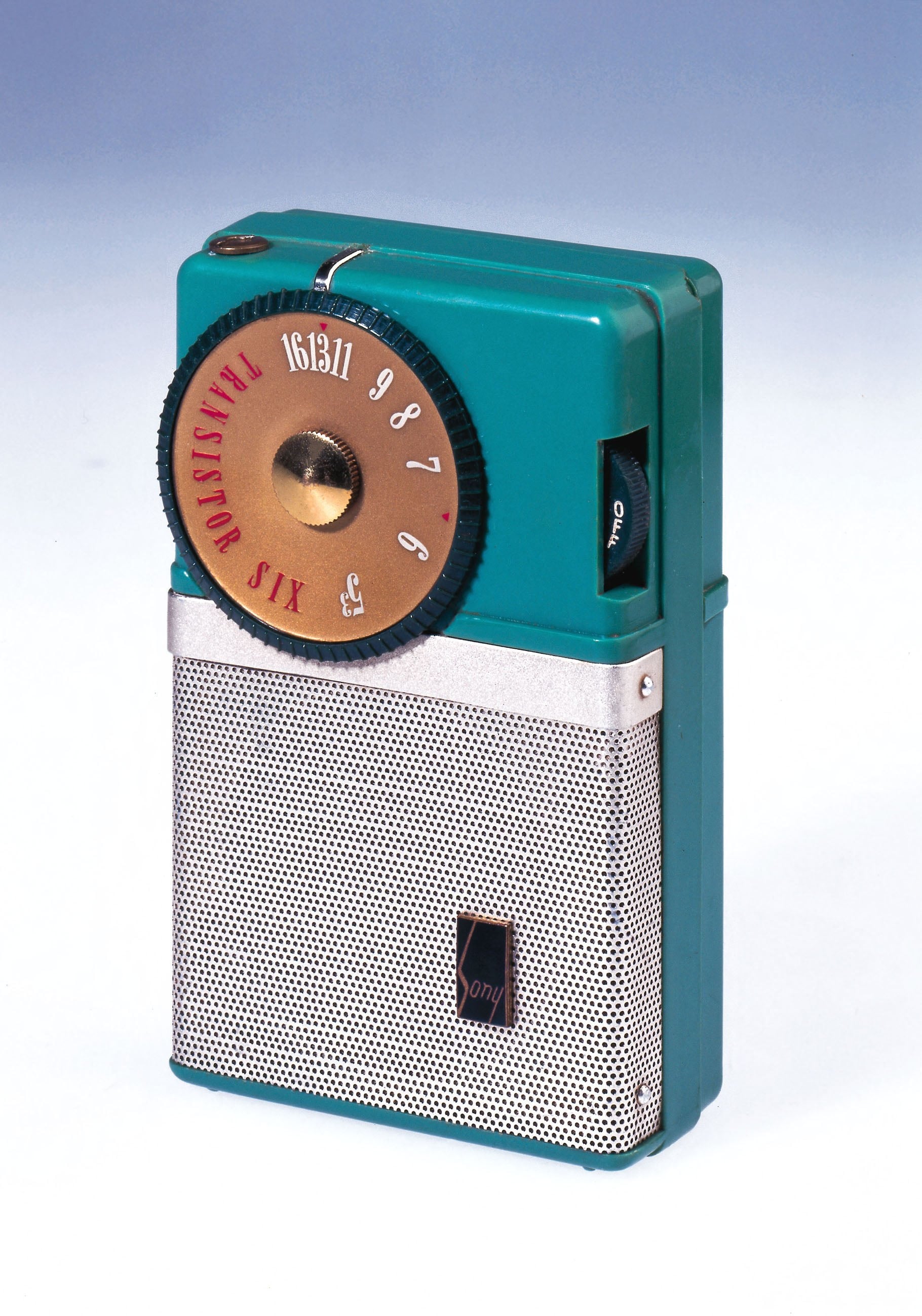
London became an international centre of fashion during the mid-1960s
Traditional dress rules weakened
Women wore trousers and miniskirts
Men wore brighter colours and fabrics, such as velvet and satin
New fashions reduced some visible differences between social classes
Music became a major part of youth identity
Cheap record players and records made popular music available to most teenagers
A 1969 survey found that young people spent more time listening to music in their bedrooms than at youth clubs or rock festivals
Television programmes such as Ready Steady Go and Top of the Pops also spread new music, dance and fashion
Teenagers became an important consumer market
Businesses produced films, music and clothing specifically for them
Rival youth subcultures
Distinct subcultures emerged, each with its own style, music and outlook
Subculture | Peak Years | Style and Music | Outlook |
|---|---|---|---|
Mods | Early to mid-1960s | Style:
Music:
|
|
Rockers | Early to mid-1960s | Style:
Music:
|
|
Skinheads | Late 1960s | Style:
Music:
|
|
Hippies | Late 1960s | Style:
Music:
|
|
Mods, rockers and the moral panic
Clashes between mods and rockers attracted heavy press coverage
Fighting took place at seaside resorts such as Clacton and Brighton in 1964
Further disorder occurred at Brighton in 1965
Newspapers presented the clashes as a major threat to public order
Later sociologists use this coverage as an example of a moral panic
This meant that the public reaction was greater than the scale of the original disorder
Most young people were not involved in violence
Many continued to spend their free time with friends or in established youth organisations
Membership of groups such as the Scouts, Guides, Cubs and Brownies remained high
Membership of these organisations rose from around 471,000 in 1945 to 539,340 by 1970
"Some of the weekend was perfectly normal, a family seaside holiday situation, but after dark on Saturday and for the 24 hours from Sunday lunchtime, the town had special problems to deal with: problems created by teenage visitors. Sleeping Rough. Our observers saw the arrival of scores of young teenage boys and girls who had planned to sleep rough. They were moved on by the police and slept on the roofs of public toilets or in fairground huts ... Out for a fight. There was also a minority of youngsters who came looking for trouble. The observers report that Brighton is a Mod town. Forays of rockers turned up throughout the two days and this caused running fights ... To sum up, most of the boys and girls on the loose in Brighton were looking for excitement, ‘kicks’ and adventure not for violence"
The National Association of Youth Clubs. Report into events at Brighton, August Bank Holiday 1965
Approach: The report was written by adults involved in youth clubs after events at Brighton in 1965. It argues that most young people were not violent and that newspapers had exaggerated the disorder
The organisation had a reason to defend young people and the work of youth clubs, so its account may understate the seriousness of some incidents. However, it is useful because it is based on observers present in Brighton and gives a different view from the newspaper coverage
Examiner Tips and Tricks
Do not describe youth culture as simply violent or rebellious. Separate the behaviour of a minority from the experience of most young people across the country
Changing moral attitudes
What the "permissive society" meant
The term "permissive society" described looser attitudes towards sex, drugs, and personal behaviour
Supporters linked it to greater tolerance and personal freedom
Critics used it negatively, arguing that traditional moral standards were weakening
Several developments were linked to these changes
The contraceptive pill became more widely available
The National Health Service (Family Planning) Act (1967) allowed local authorities to provide contraceptives and advice
Television, radio, books and magazines discussed subjects that had previously received little public attention
Liberal legislation on divorce, abortion, and homosexual relations also changed the law
Evidence of changing behaviour
Some statistics suggest that personal behaviour was changing
Illegitimate births rose from 5.8% to 8.2% of live births between 1960 and 1970
Rates of sexually transmitted infections increased, particularly among young people
Drug use became more visible
Cocaine and heroin addiction became around ten times more common during the first half of the 1960s
The use of softer drugs, including cannabis, had become more common by the end of the decade
Drug culture was also linked to popular music
Hippies promoted ideas such as free love and "flower power"
Some musicians, including the Beatles, reportedly used LSD
However, surveys found that most young people still held relatively traditional attitudes towards sex and marriage, despite the public image of the decade
According to Michael Schofield’s 1965 study and Geoffrey Gorer’s survey, published in 1971, a high percentage of young people were still virgins when they married, or they married their first sexual partner
Opposition to permissiveness
Government policy did not always support more permissive attitudes
The Dangerous Drugs Act (1967) gave the police new powers to stop and search people for drugs
The Wootton Report (1968) recommended decriminalising soft drugs, including cannabis
Home Secretary James Callaghan rejected the recommendation
Callaghan's Misuse of Drugs Bill (1970) proposed a maximum of 14 years for supplying drugs; it became law in 1971
Religious and moral campaigners also opposed these changes
The Catholic Church rejected the contraceptive pill as contrary to church teaching
Mary Whitehouse campaigned against declining standards on television
Writers presented different views of the decade
Philip Larkin's poem 'Annus Mirabilis', published in 1974, linked the beginning of sexual liberation to 1963
As it was written later, it shows how the 1960s were remembered rather than providing direct evidence of behaviour at the time
"It is another aspect of the so-called permissive society, and I am glad if my decision has enabled the House to call a halt in the advancing tide of so-called permissiveness. I regard it as one of the most unlikeable words that has been invented in recent years. If only we would regard ourselves as a compassionate society, an unselfish society or a responsible society, I would feel prouder of 1969"
James Callaghan, Home Secretary. Debate on the Wootton Report, House of Commons, 27 January 1969
Approach: Callaghan spoke during a House of Commons debate on the Wootton report in January 1969. As Home Secretary he was responsible for government policy on drugs and used the speech to reject calls for reduced penalties
His description of permissiveness as an advancing tide shows that some senior Labour ministers believed reform had already gone too far. However, the source explains Callaghan's political position rather than showing how widely permissive behaviour had spread
Examiner Tips and Tricks
Treat "permissive society" as a contested term rather than a neutral description of the 1960s. Supporters associated it with greater freedom, while critics such as Callaghan used it to describe the decline in moral standards
Compare changes in law and public debate with evidence of actual behaviour. Rising illegitimate births and greater drug use suggest some change, but surveys showing traditional attitudes among many young people point to important limits
Progress towards female equality
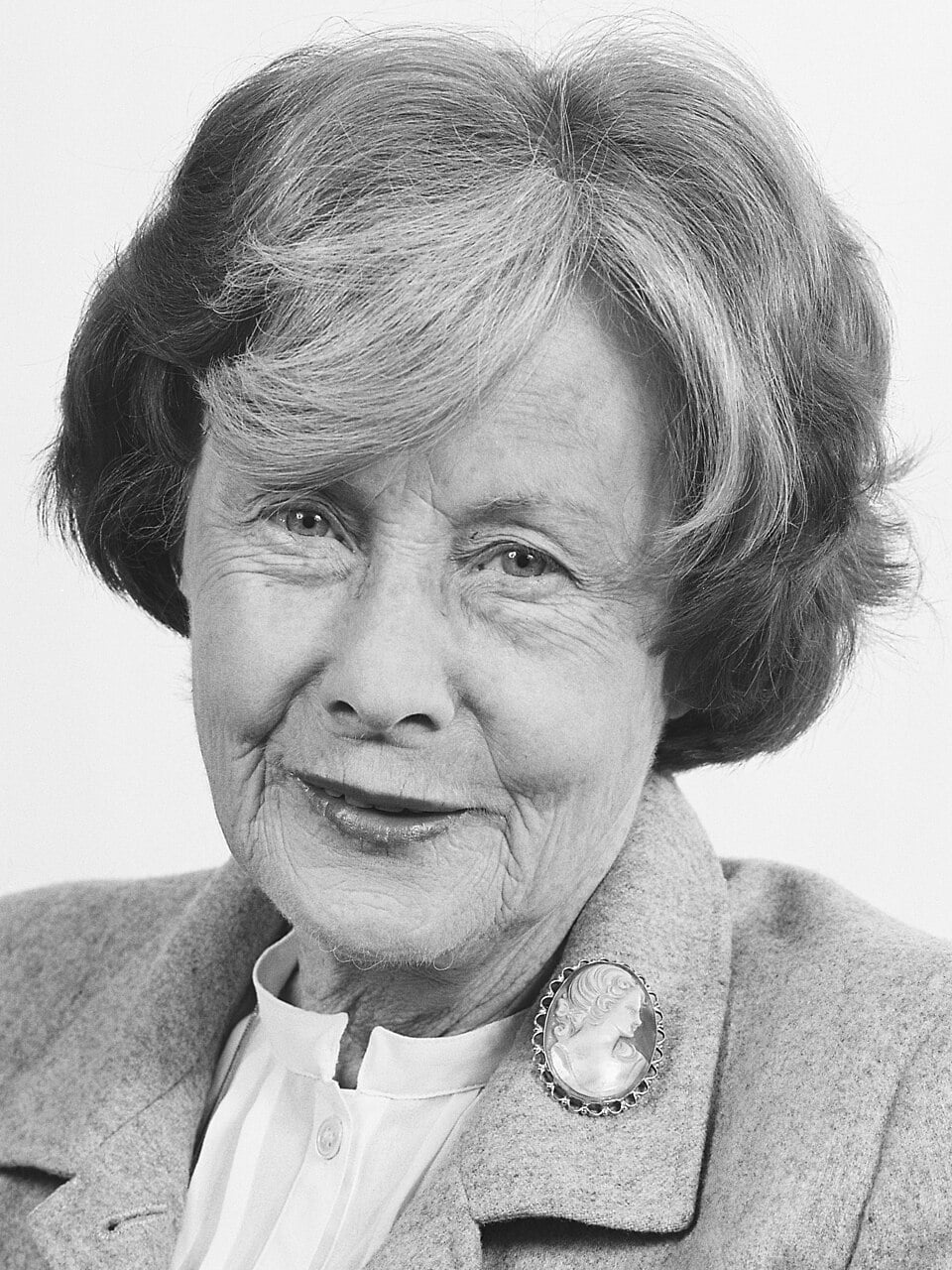
Barbara Castle. © European Union, 2013 – Source: EP, via Wikimedia Commons. Cropped from the original.
Changes in women's choices
Several developments gave women greater control over their lives
Labour-saving devices reduced the time spent on some domestic tasks
Wider access to education raised expectations about employment and careers
More jobs became available to women, providing greater financial independence
Reliable contraception reduced the risk of unwanted pregnancy
The Divorce Reform Act (1969) made it easier to leave a marriage that had broken down
Limits to change
Area of Change | Continuing Limit |
|---|---|
Contraception gave women greater control over pregnancy | Responsibility for contraception could still fall mainly on women |
More girls remained in education | Girls' education often continued to focus on domestic skills |
Divorce became easier to obtain | Many women still lacked the financial independence needed to leave a marriage |
More employment opportunities became available | Women were usually paid less than men and few reached senior positions |
Labour-saving devices reduced domestic work | Advertising continued to present women mainly as housewives |
Women remained under-represented in public life
Only 81 women stood for election in 1966
Only 26 women were elected as MPs, about 4% of the House of Commons
Women made up 28% of students in higher education in 1970
Yet women held only around 5% of managerial posts
The women's movement and equal pay
Second-wave feminism reached Britain from the United States during the mid-1960s
Campaigners argued that legal equality had not produced equality in everyday life
They challenged:
unequal pay
limited career opportunities
the expectation that women should take primary responsibility for the home and children
Feminist writing helped spread these ideas
Betty Friedan published The Feminine Mystique in 1963
Germaine Greer published The Female Eunuch in 1970
The Dagenham sewing machinists' strike of 1968 placed equal pay on the political agenda
Women sewing machinists at the Ford factory protested after their work was placed in a lower pay grade than work carried out by men
Employment Secretary Barbara Castle intervened in the dispute
The women received a 7% pay increase, although they did not immediately achieve equal pay
The Equal Pay Act of 1970 established the principle of equal pay for equal work
It did not come into force until 1975
Not all businesses followed this Act
Women's liberation
The first National Women's Liberation Conference was held at Ruskin College, Oxford, in 1970
Campaigners agreed four main demands:
equal pay
equal educational and employment opportunities
free contraception and abortion on request
free 24-hour childcare
Progress by 1970 remained limited
The women's movement gained more influence during the 1970s
Traditional expectations about women's role in marriage, childcare, and the home remained common
"[N]ow ungenteel middle-class women are calling for revolution. For many of them the call for revolution came before the call for the liberation of women ... The difference is radical, for the faith that the suffragettes had in the existing political systems and their deep desire to participate in them have perished ... Five years ago it seemed clear that emancipation had failed: the number of women in Parliament had settled at a low level; the number of professional women had stabilized as a tiny minority; the pattern of female employment had emerged as underpaid, menial and supportive. The cage door had been opened but the canary had refused to fly out"
Adapted from Germaine Greer, The Female Eunuch, first published 1970
Approach: Germaine Greer was a feminist writer and academic whose book The Female Eunuch was published in 1970. Her argument is useful for showing the frustration of second-wave feminists, particularly over women's limited access to professional work and positions of influence
However, Greer was writing a polemical book intended to challenge existing attitudes and encourage more radical change. Her language therefore reflects the aims of the feminist movement rather than the views of women as a whole. Employment figures and evidence about women's education can be used to judge how typical her description was
Examiner Tips and Tricks
Focus on the word "progress". Women gained greater access to education, employment, contraception, and divorce, while the Equal Pay Act (1970) recognised equal pay in law. However, women were still concentrated in lower-paid work, remained responsible for much of the housework and childcare, and were rarely represented in senior positions.
Anti-Vietnam War protest
Tony Byers/Alamy
The growth of anti-war protest
United States involvement in Vietnam increased sharply after 1964
Newspaper and television coverage of civilian suffering increased opposition to the war
Harold Wilson's government did not send British troops but it refused to condemn the United States
This angered many people on the left
Opposition to the war brought student protest and radical politics together
Teach-ins were held at Oxford University and the London School of Economics in the summer of 1965
The Vietnam Solidarity Campaign was founded in 1966
It gained considerable support among students
The Battle of Grosvenor Square, March 1968
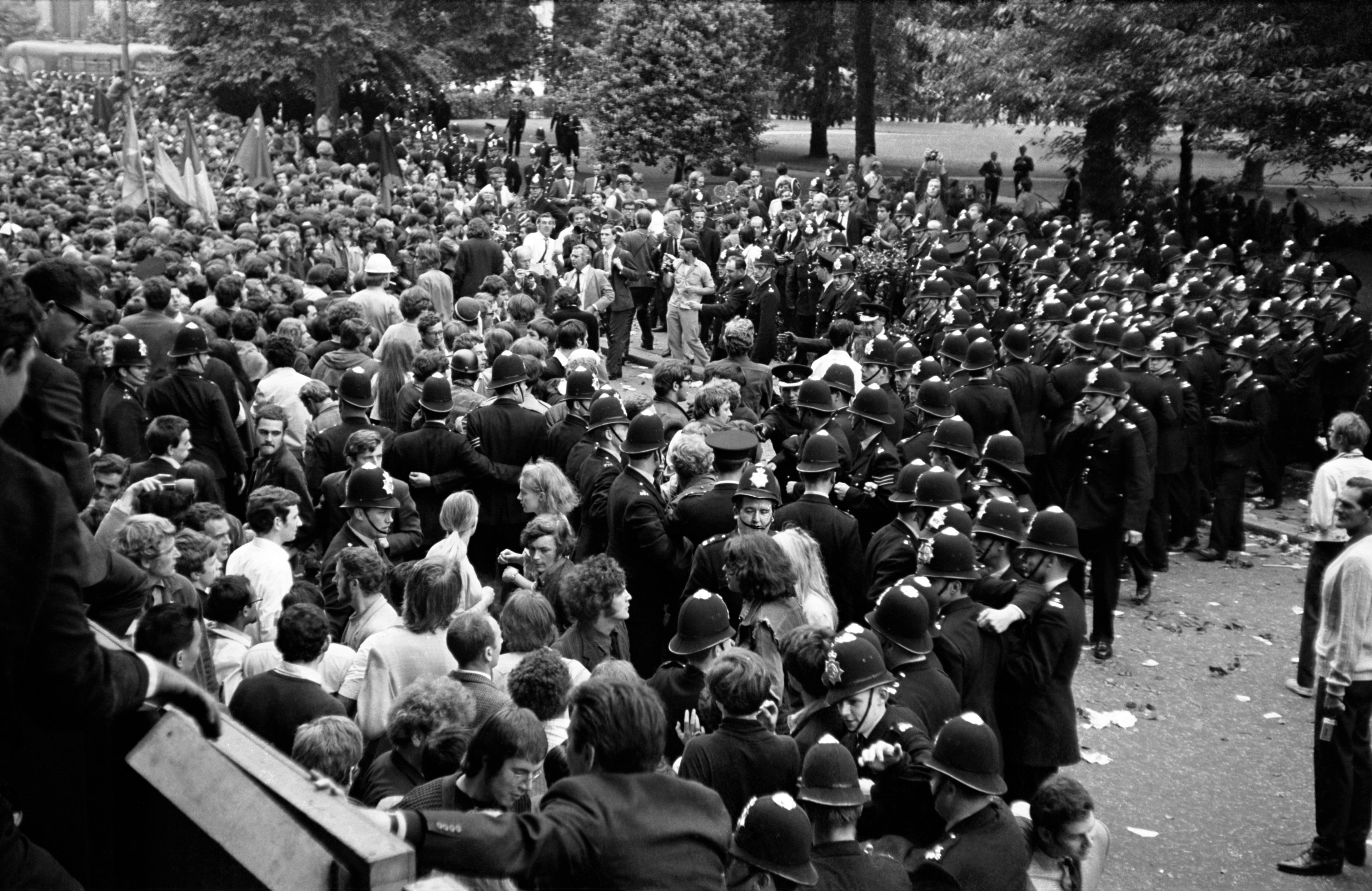
On the 17th March, 1968, around 10,000 people marched from Trafalgar Square to the American Embassy in Grosvenor Square
Violence broke out between some protesters and the police, and the demonstration turned into a riot
More than 200 people were arrested
86 people received treatment for injuries
50 were taken to hospital
Up to 25 police officers were among those injured
The event became known as the Battle of Grosvenor Square
Television coverage brought the violence to a wide audience
The scene shocked many members of the public
Protest beyond Grosvenor Square
Anti-war protests also spread through universities
A speaker from the American Embassy was covered in red paint at Sussex
Two Conservative MPs were physically attacked at Essex
Demands for greater student power were often combined with the opposition to the Vietnam War
A second major demonstration took place in London on 27 October 1968
Around 30,000 people took part
Home Secretary James Callaghan refused to stop it from happening
Heavy policing was used, but the march remained mainly peaceful
The significance of anti-war protest
The protest formed part of a wider international wave of unrest in 1968, including demonstrations in:
France
Italy
the United States
communist Eastern Europe
Anti-war protest in Britain remained smaller than in several other countries
Britain had no military draft
British troops were not fighting in Vietnam
The protest did not threaten the survival of Wilson's government
The demonstrations did not change the government's policy towards the United States
Their main impact was on youth politics and public protest
They linked youth culture with radical political activism
They made student protests more visible
They led the government to increase surveillance of political activists
"I have thought carefully about the general issues of freedom and order. There is an evident risk where large numbers of people gather. But I believe that the great majority of those who take part will wish to avoid violence. My conclusion is that, in the absence of plain evidence of widespread violence, interference with the right to hold meetings, even of this size, would be a bad precedent which would endanger freedom in this country"
James Callaghan, Home Secretary. Statement on the planned demonstrations in central London, House of Commons, 24 October 1968
Approach: James Callaghan made this statement in the House of Commons on 24 October 1968, three days before the second major demonstration. As Home Secretary he was responsible for public order and had to decide whether the march should be banned
The source shows that the government expected some risk of violence but also wanted to protect the right to peaceful protest. As it was issued before the march, it records official concerns and expectations rather than an explanation shaped by the outcome
Examiner Tips and Tricks
Do not treat the two demonstrations in London as the same. The March 1968 protests ended in serious violence, while the larger October 1968 demonstrations remained mainly peaceful
This comparison can be used to show that anti-war protest was not always violent and that policing, planning, and government decisions affected the outcome
Immigration and race
Continuing racial tension
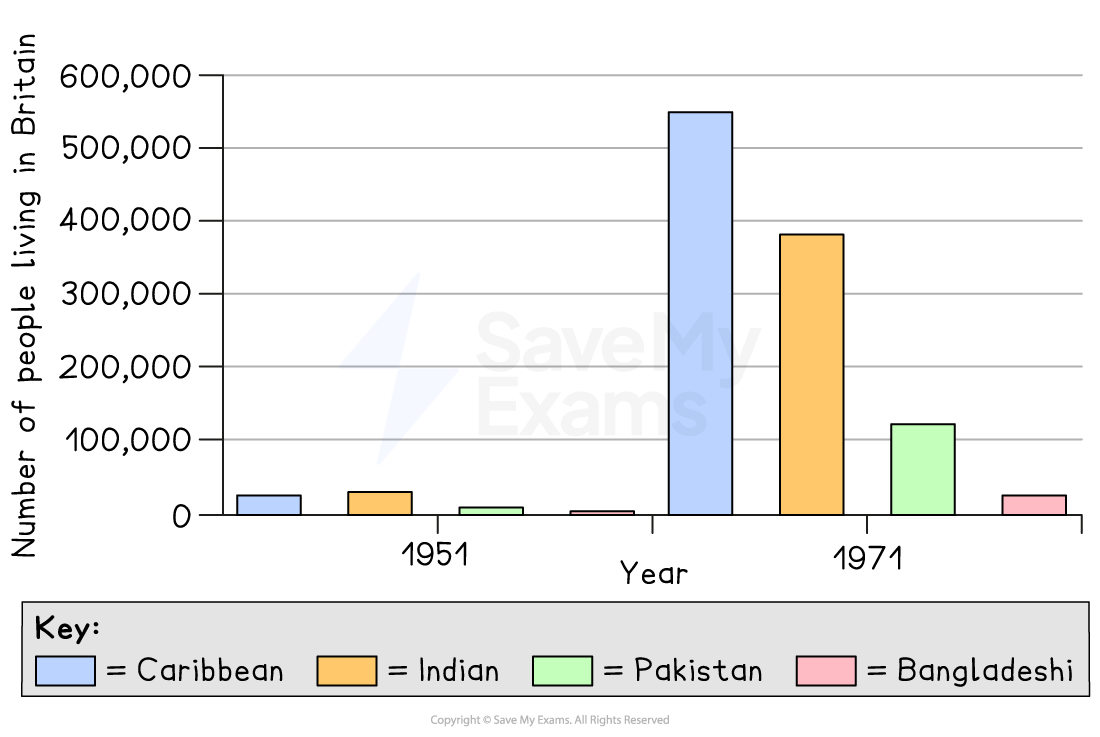
Immigration from the New Commonwealth continued during the 1960s
Racial tensions from the late 1950s and early 1960s remained
A survey in North London in 1965 found that:
1 in 5 people objected to working with a Black or Asian colleague
around half would refuse to live next door to a Black person
9 in 10 disapproved of mixed marriage
Government response
Governments tried to combine two different policies:
restricting further immigration
reducing discrimination against people already living in Britain
James Callaghan described this as a balanced approach
Critics argued that limiting entry while introducing race relations laws was contradictory
Legislation, 1965–1968
Law | What It Did | Limits |
|---|---|---|
Race Relations Act (1965) |
|
|
Commonwealth Immigrants Act (1968) |
|
|
Race Relations Act (1968) |
|
|
Callaghan's approach
Home Secretary James Callaghan defended the Commonwealth Immigrants Act (1968)
He linked tighter immigration controls with the introduction of a stronger Race Relations Bill
He presented the two measures as parts of the same policy
"This Bill, however some may regard it, must be considered at the same time, and in accordance with, the proposal of the Government to introduce a Race Relations Bill which will establish in this country equality of treatment in the very sensitive areas of housing and of jobs, which is to be introduced by the Government during the next six weeks: certainly before Easter. Both these Bills are, in my view and my judgment, essentially parts of a fair and balanced policy on this matter of race relations. I do not discern much tendency to call names. As I have said, everyone is concerned about this issue, and it was no easy decision to introduce a Bill of this sort"
James Callaghan, Home Secretary. Second reading of the Commonwealth Immigrants Bill, House of Commons, 27 February 1968
Approach: In this speech Callaghan was defending the government's decision to restrict immigration while also promising stronger laws against racial discrimination
This makes the source useful for showing how Labour presented the two policies as part of a balanced approach. However, because Callaghan was defending the Bill, he had a reason to make the policy appear fair and consistent.
Powell and the reaction
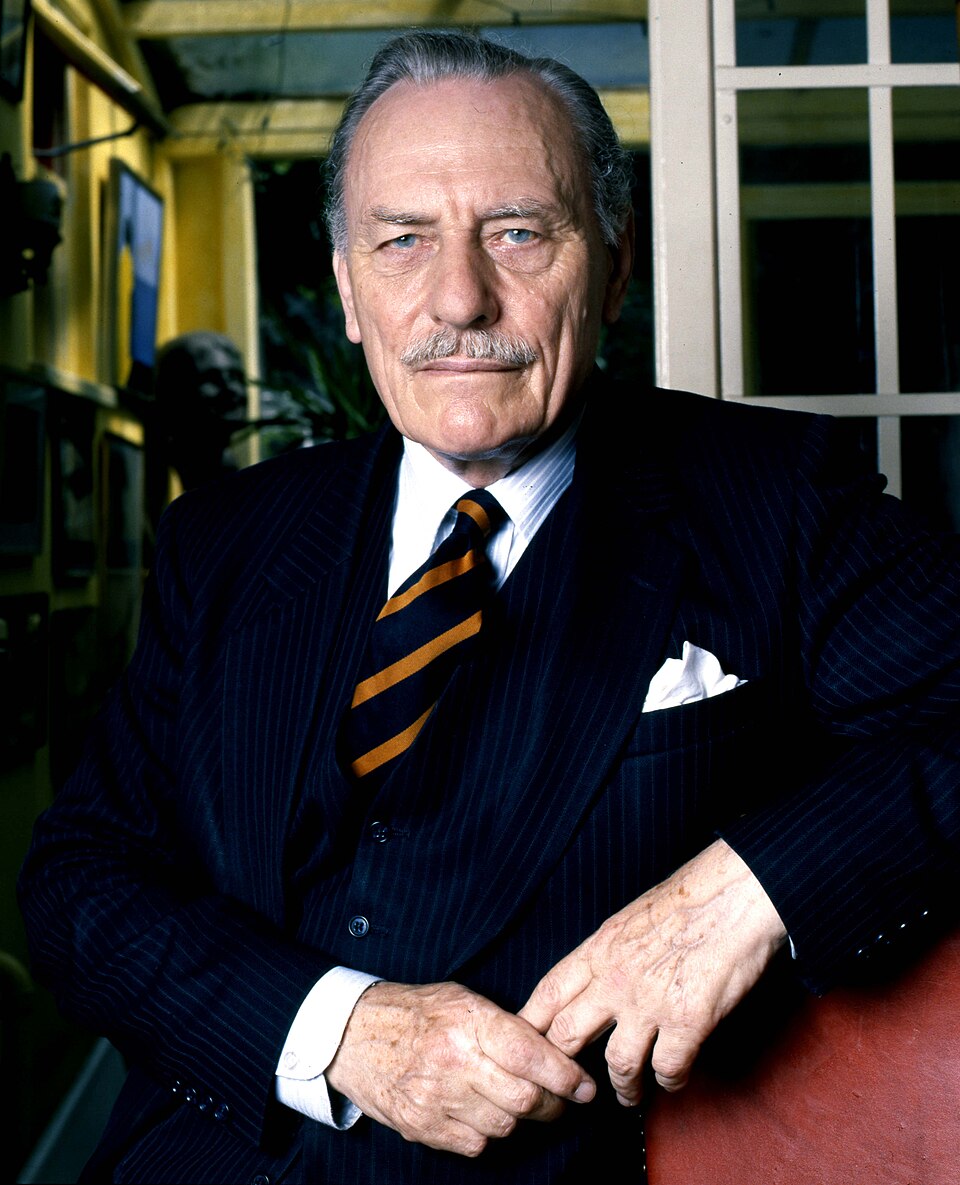
Enoch Powell delivered his "Rivers of Blood" speech in Birmingham on 20 April, 1968
He argued that continued immigration would cause serious social conflict
His language presented immigration as a threat to existing communities
"Here is one of my constituents, a decent ordinary fellow in my own town of Wolverhampton, telling me that the country will not be worth living in for his children. I simply do not have the right to shrug my shoulders. What he is saying, hundreds of thousands are saying and thinking in the areas that are undergoing the total transformation to which there is no parallel in a thousand years of English history.
For reasons they could not comprehend, on which they were never consulted, they found themselves made strangers in their own country. We must be mad, literally mad, to allow the annual flow of fifty thousand dependants. So insane are we that we actually permit unmarried persons to immigrate for the purpose of founding families with spouses they have never seen. As I look ahead, I am filled with foreboding; like the Roman, I seem to see 'the River Tiber foaming with much blood'"
Adapted from Enoch Powell, addressing the Conservative Political Centre at the Midland Hotel, Birmingham, 20 April 1968
Approach: As a senior frontbench politician, Powell was speaking publicly about immigration policy and trying to influence both his party and the wider debate
The source is useful for showing how immigration could be presented in highly emotional and threatening terms. However, Powell relied on an unnamed constituent and made predictions about the future, so the speech is stronger evidence of his political message than the actual scale of racial conflict
Conservative leader Edward Heath dismissed Powell from the Shadow Cabinet the following day
Powell still received considerable public support
A Gallup poll found that 75% of the population supported what he had said
Dockers and meat porters in London went on strike and marched to Downing Street in his support
Reactions to Heath's decision were divided
Some believed Powell's speech made voters more likely to support the Conservatives
Others argued that his dismissal showed political principle
Integration and cultural change
There was also evidence of communities living together without major conflict
The Notting Hill Carnival became an annual event from 1964
Asian corner shops and Chinese takeaways introduced new foods to British high streets
Caribbean communities influenced music, fashion, and street life
Youth culture also drew on styles from immigrant communities
Skinheads adopted West Indian ska and reggae
Some hippies wore Indian and African fabrics, kaftans and beads
Examiner Tips and Tricks
Keep immigration control and protection from discrimination separate. Governments pursued both at the same time, so a strong answer should explain why this appeared contradictory
When using Powell's speech, distinguish between his argument, the support he received, and the actual behaviour of the public. The Gallup poll shows support for his views, but it does not prove that most people acted on them
How 'permissive' had British society become by 1970?
This question compares changes in law, behaviour and attitudes with evidence that change remained limited or uneven
Some key evidence for each side is outlined below
Signs of a more permissive society
The law changed significantly between 1964 and 1970:
divorce became easier
abortion became legal in certain circumstances
some homosexual acts between men were decriminalised
capital punishment was abolished
theatre censorship ended
Some behaviour also changed
illegitimate births increased
rates of sexually transmitted infections rose
drug use became more visible
Youth culture challenged traditional ideas about fashion, music and personal behaviour
Contraception and easier divorce gave some women greater control over their lives
Public protest became a more accepted form of political action
Respect for traditional authority, including the churches, continued to weaken
Limits to permissiveness
Surveys suggested that most young people still held traditional views about sex and marriage
Michael Schofield’s 1965 study and Geoffrey Gorer’s survey, published in 1971, both found that most young people were either virgins at marriage or married their first sexual partner
The government did not always support permissive change:
Callaghan rejected the Wootton Report
penalties for drugs were increased
Change was strongest among young people in large cities, especially London
Many people outside these groups experienced much less change
Class divisions and the influence of the Establishment changed little
Public schools and the 'old boy network' still shaped access to power
Attitudes towards race often remained hostile
The response to Powell's speech showed continuing racial tension
Progress towards women's equality was slow
Women remained concentrated in lower-paid work
Traditional expectations about marriage, childcare and the home continued
Opposition remained organised and influential
The Catholic Church opposed the contraceptive pill
Mary Whitehouse's campaign attracted substantial support
Examiner Tips and Tricks
Define permissive clearly at the start of an answer. It could mean a change in the law, a change in public attitudes or a change in behaviour

Unlock more, it's free!
Join the 100,000+ Students that ❤️ Save My Exams
the (exam) results speak for themselves:

Was this revision note helpful?
