The Conservatives in Opposition, 1997-2007 (AQA A Level History: Component 2: Depth study): Revision Note
Exam code: 7042

Summary
The Conservatives lost three general elections in a row, in 1997, 2001 and 2005
The party had four leaders during the decade:
William Hague
Iain Duncan Smith
Michael Howard
David Cameron from December 2005, who presented himself as a moderniser
Europe continued to divide the party
There were also arguments also over Thatcherism and whether the Conservatives needed to modernise
This was often described as "mods and rockers"
In 2001 and 2005, the Conservatives focused heavily on issues such as the pound, asylum, immigration and tax
These campaigns did little to widen support beyond the party's existing voters
The key question asks why the Conservatives failed to return to power between 1997 and 2007
Important factors include leadership, party divisions, image and policies, Labour's strength and the electoral system
Conservative leaders: Hague, Duncan Smith and Howard
Three leaders took the Conservatives through the 2001 and 2005 election defeats
Each was chosen for different reasons, and each faced the same basic problem: how far should the party change after 1997?
The party after 1997
Labour's landslide victory in 1997 left the Conservatives with 165 MPs, their lowest total since 1906
The MPs who survived were generally more Eurosceptic and more Thatcherite than the party had seen before the election
Several leading figures, including Michael Portillo, lost their seats
Conservatives disagreed over what the defeat meant
Some expected voters eventually to return to the Conservatives as the "natural party of government"
Modernisers argued that the party needed to change its image and policies to appeal to a wider electorate
“First we must understand that, the more the Conservatives talk like [and, as a party look like] the rest of Britain, in both language and content, the more credible our political messages will be and sound. Second we must ensure that we are once again trusted more than Labour on the economy. Third we must neutralise our vulnerabilities on key policy issues, principally the perception that our instincts are to undermine and under-fund public services, especially schools and hospitals”
Andrew Cooper and Daniel Finkelstein, Conservative modernisers, Kitchen Table Conservatives, an internal strategy paper written after the 1997 defeat (1998)
Approach: This was an internal strategy paper written by Conservative modernisers Andrew Cooper and Daniel Finkelstein after the 1997 defeat, so it is useful for showing what this wing of the party thought had gone wrong and what needed to change
It identifies three main problems: the party’s image, its economic credibility and public distrust over services such as schools and hospitals
It still represents one side of an internal Conservative debate, rather than agreed party policy, so its arguments should be compared with how the party actually campaigned under Hague, Duncan Smith and Howard
William Hague, 1997-2001
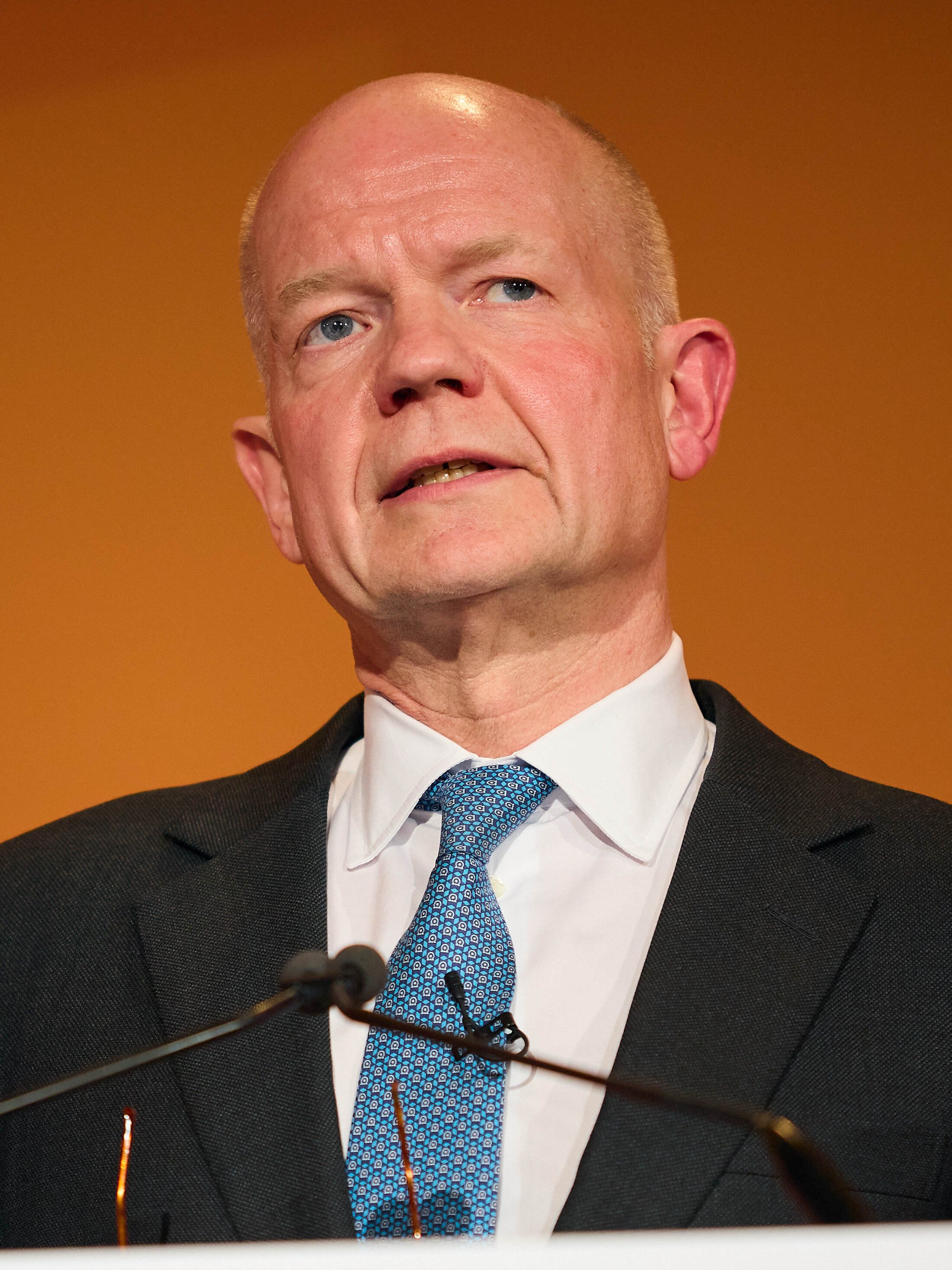
William Hague became leader in June 1997, aged 36
He defeated Kenneth Clarke in the final ballot of Conservative MPs
Many MPs opposed Clarke because of his strongly pro-European views
Hague changed the leadership election rules
Party members would have the final vote in future leadership contests
He tried to reduce Conservative divisions over Europe
He ruled out joining the single currency "in the foreseeable future"
The Conservatives won the most seats in the 1999 European Parliament elections
Hague initially tried to make the party appear more socially inclusive
His 'Listening to Britain' campaign aimed to show that the party had changed
After 1999, he increasingly focused on issues that appealed to the party's existing supporters
He resigned after the 2001 general election defeat
Hague's strengths and weaknesses
Strengths |
|
|---|---|
Weaknesses |
|
Iain Duncan Smith, 2001-2003
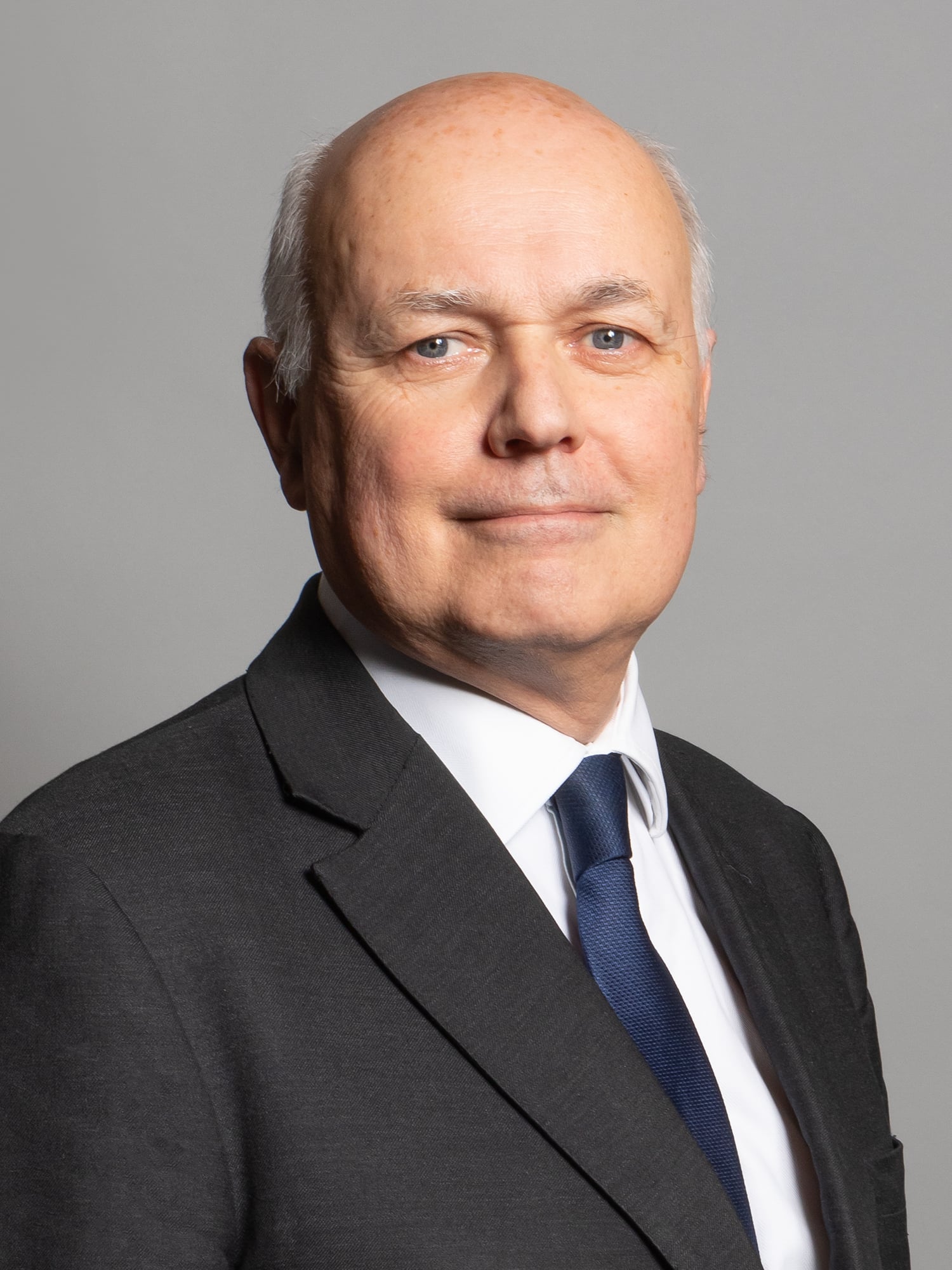
Iain Duncan Smith became leader on the 13 September 2001
He was the first Conservative leader chosen by a ballot of party members
He defeated Kenneth Clarke with about 61% of the members' vote
Michael Portillo, the modernisers' candidate, had been knocked out in the final ballot of MPs by one vote
Many members voted against Clarke's pro-European views rather than for Duncan Smith
Iain Duncan Smith promoted compassionate conservatism
He argued that the party should take poverty and social justice more seriously
His visit to the Easterhouse, a deprived housing estate in Glasgow, in 2002 helped shape this approach
He gave strong support to the Iraq War in 2003
This left the Conservatives unable to exploit Blair's growing unpopularity over Iraq
Duncan Smith struggled to command the loyalty of his MPs
He lost a Conservative vote of no confidence on 29 October 2003, by 90 votes to 75
Duncan Smith's strengths and weaknesses
Strengths |
|
|---|---|
Weaknesses |
|
“Over the last few weeks a small group of my parliamentary colleagues have decided consciously to undermine my leadership. For a few, last night’s vote was not about adoption but an attempt to challenge my mandate to lead this party. We cannot go on in this fashion. We have to pull together or we will hang apart. ... My message is simple and stark, unite or die”
Iain Duncan Smith, Conservative leader, at a specially called press conference after Conservative MPs rebelled in a Commons vote on adoption, 5 November 2002
Approach: The source is useful because it shows how serious divisions inside the party had become. His warning to MPs to “unite or die” shows a leader struggling to control his own parliamentary party
As Duncan Smith was defending his own leadership, the source gives only his side of the dispute and places responsibility mainly on those who opposed him
Michael Howard, 2003-2005
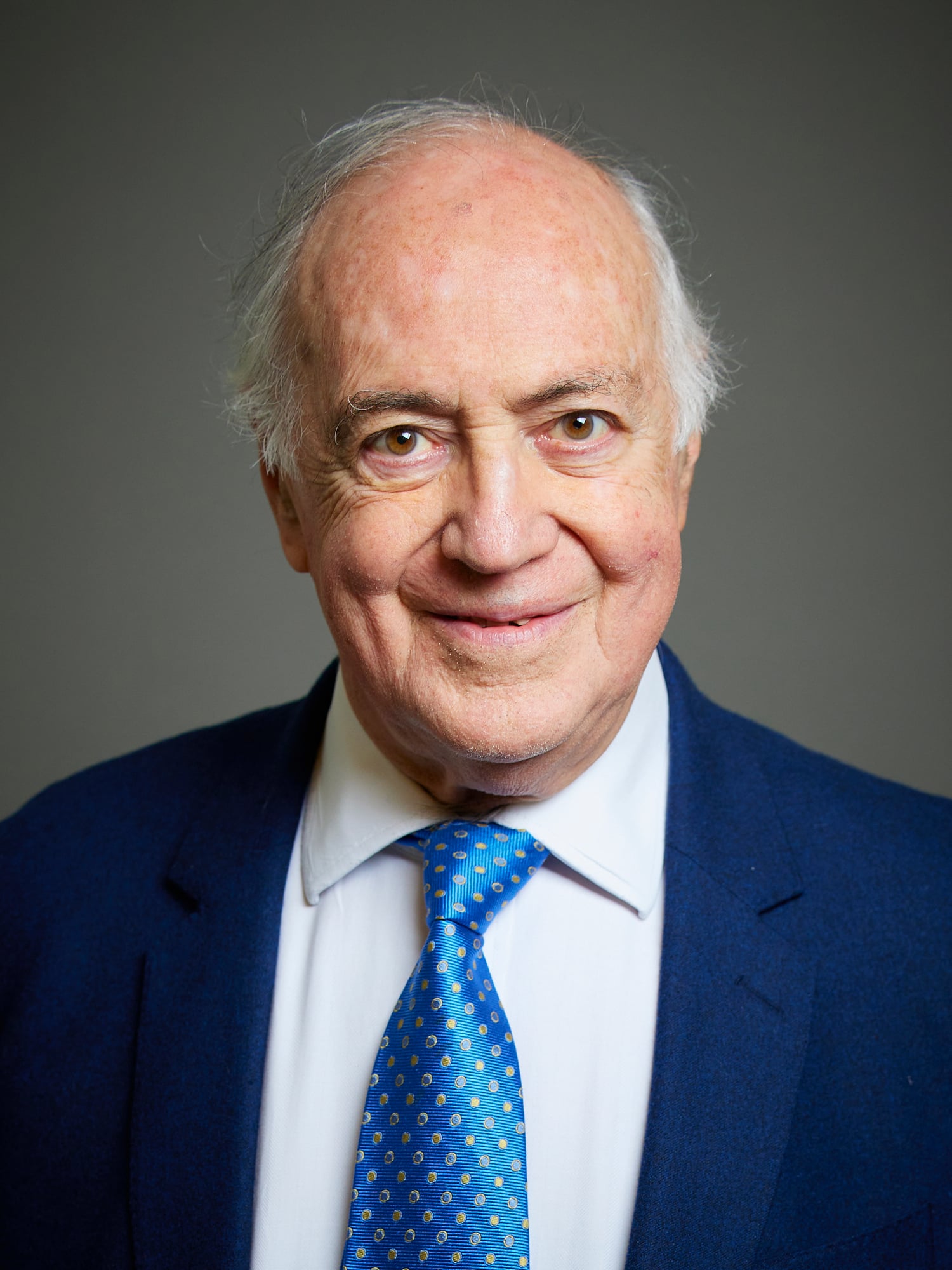
Michael Howard became leader unopposed on the 6 November 2003
He was backed by both modernisers and traditionalists
He had served as Home Secretary under Major and was associated with the right of the party
Howard brought greater stability to the Conservatives
He was experienced and effective against Blair in the Commons
Party organisation and morale improved
He led the Conservatives into the 2005 general election
After the defeat, he announced that he would stand down
Before leaving, he promoted younger modernisers, including David Cameron and George Osborne
Howard's strengths and weaknesses
Strengths |
|
|---|---|
Weaknesses |
|
Cameron's election, 2005
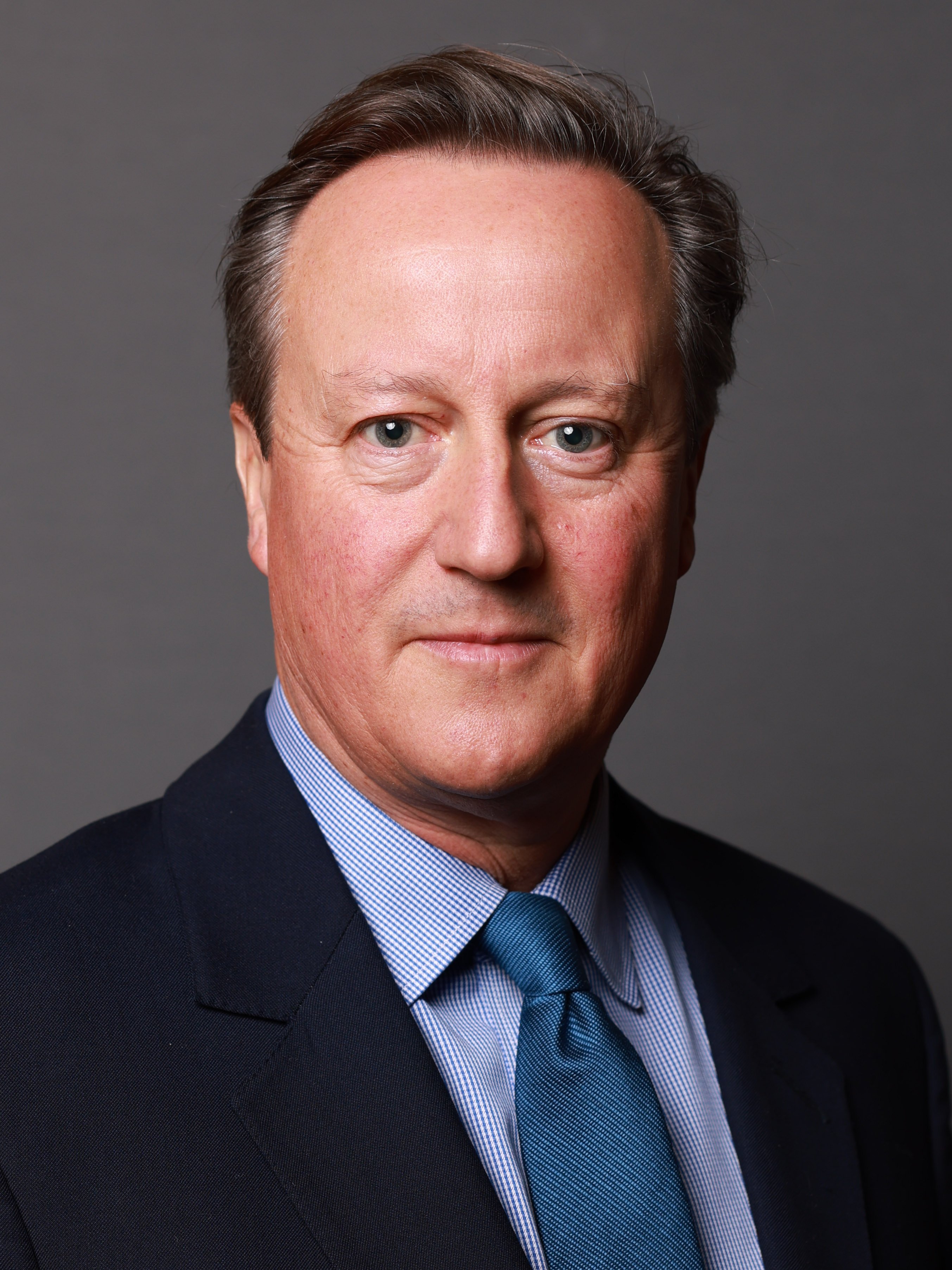
David Cameron defeated David Davis in a ballot of party members
The result was announced on 6 December 2005
Cameron was 39 and had only been an MP since 2001
A confident speech without notes at the 2005 party conference helped his campaign
He presented himself openly as a moderniser
His aim was to widen Conservative support beyond the party's traditional base
By 2007, Cameron had begun to "detoxify" the party's image
He stressed the environment, public services and social responsibility
Some on the right resented his rejection of parts of Thatcherism
Even so, by 2007 the party was more united than at any time since 1997
Examiner Tips and Tricks
Do not just list each leader’s personality or policies. Link why each man was chosen to the problem the party was trying to solve:
Hague was chosen after the 1997 defeat and tried to reduce arguments over Europe
Duncan Smith appealed strongly to party members but struggled to control Conservative MPs
Howard was chosen to restore stability and discipline
Cameron was chosen in December 2005 to modernise the party and widen its appeal, so judge how far he had healed its divisions by 2007
Reasons for Conservative divisions
The Conservatives remained divided after 1997 over Europe, Thatcher's legacy and whether the party needed to modernise
Europe
Europe remained the deepest division carried over from the Major years
Most Conservative MPs were Eurosceptic
Senior figures such as Kenneth Clarke still held strongly pro-European views
Clarke's appearance alongside Blair at a pro-European event in 1999 increased suspicion of him inside the party
Hague tried to reduce the argument by ruling out joining the single currency in the foreseeable future
This calmed the issue for a while
Under Iain Duncan Smith, strong Euroscepticism brought the argument back to the surface
The United Kingdom Independence Party (UKIP) also competed for anti-European voters on the Conservatives' right
The legacy of Thatcher
Conservatives still disagreed over how closely the party should remain tied to Thatcherism
Some MPs continued to resent those who had helped remove Thatcher in 1990
Leadership candidates were still judged partly by where they had stood during Thatcher's fall from power in 1990
Attempts to move away from Thatcherite ideas could provoke strong opposition
In 1999, Peter Lilley argued that voters did not want further market-style reform of public services such as health and education
His speech was widely read as a rejection of Thatcherism
Hague was forced to restate his support for Thatcher's legacy
"Mods and rockers"
The press increasingly described the party as divided between "mods" and "rockers"
Mods, such as Michael Portillo, were more socially liberal and wanted the party to broaden its appeal
Rockers, such as Ann Widdecombe and Iain Duncan Smith, were more socially conservative
Social issues exposed the divide
Duncan Smith's leadership opposed the repeal of Section 28
The party also opposed allowing unmarried couples to adopt
In November 2002, some Conservative MPs rebelled against the party line on adoption
Duncan Smith responded with his warning that the party must "unite or die"
“To fill the gap left by Euro wars, the press invented a new division: mods versus rockers. Initially, I gave little credence to such classifications. ... But throughout my time in the shadow cabinet, we argued endlessly about whether we could seize the high ground from Labour on the issues of health and education, never reaching a conclusion, and that policy stagnation, not factionalism, was our biggest single weakness”
Ann Widdecombe, member of Hague’s shadow cabinet, published in the New Statesman in 2001, shortly after the general election defeat
Approach: Widdecombe was a leading Conservative social conservative, writing in 2001 after the general election defeat
The source is useful because she accepts that the party was divided, but argues that the bigger problem was policy weakness, especially the failure to develop convincing positions on health and education
Because Widdecombe was associated with the “rocker” wing, her argument can be compared with modernisers who blamed the party’s image and social conservatism instead
“Some Tories have tried to make political capital by demonising minorities instead of showing confidence in all the citizens of our country. Some Tories have indulged themselves in petty feuding or personal sniping instead of getting behind a leader who is doing an enormous amount to change a party which has suffered two massive landslide defeats. Never forget this fact. Twice we went to the country unchanged, unrepentant, just plain unattractive. And twice we got slaughtered. ... You know what some people call us, the nasty party”
Theresa May, Conservative Party chairman, speech to the Conservative Party conference, Bournemouth, 7 October 2002
Approach: The source is useful because she openly criticised the party for appearing narrow, divided and hostile to some groups, using the phrase “the nasty party”
That criticism came from a senior figure inside the party, which makes it strong evidence that the leadership itself believed the Conservatives had a serious image problem. The speech was also intended to push members towards change, so it was not a neutral description
Examiner Tips and Tricks
May’s “nasty party” phrase is useful, but do not use it as a slogan on its own. Explain who said it, why she said it and what it reveals about the Conservatives’ struggle to widen their appeal
Electoral failures in 2001 and 2005
Election | Conservative Seats | Conservative Vote | Labour Seats | Labour Vote | Liberal Democrat Seats | Turnout |
|---|---|---|---|---|---|---|
2001 | 166 | 31.7% | 412 | 40.7% | 52 | 59.4% |
2005 | 198 | 32.4% | 355 | 35.2% | 62 | 61.4% |
The 2001 election
Labour won a second landslide on 7 June 2001
The Conservatives won 166 seats, only one more than in 1997
Their vote share was 31.7% compared with Labour's 40.7%
Turnout fell to 59.4%, the lowest since 1918
Hague focused heavily on core Conservative issues
The Keep the Pound campaign opposed joining the euro
The party also took a tough line on asylum, including proposals for secure reception centres
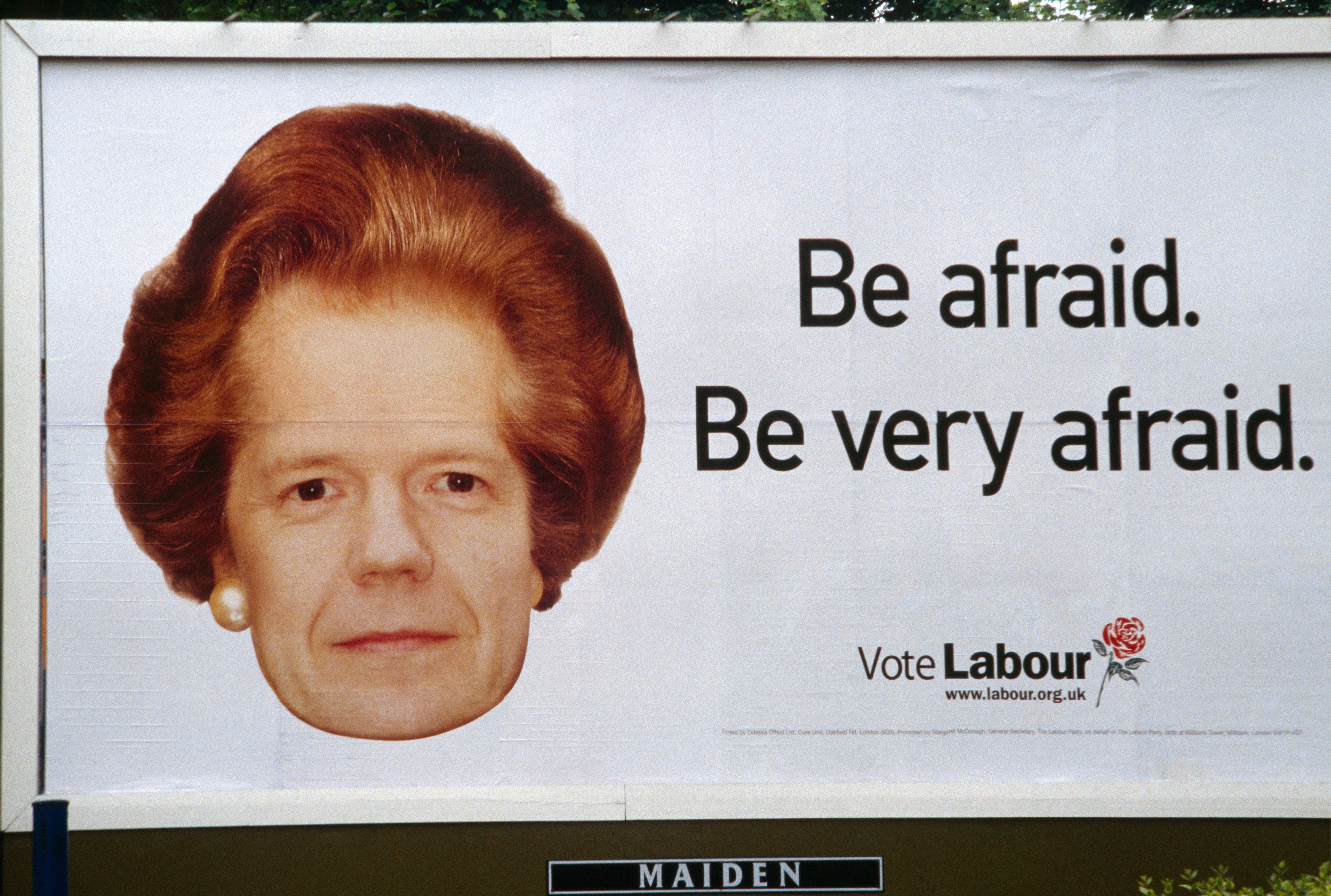
Labour attacked the Conservatives' links with the past
A Labour poster showed Hague wearing Margaret Thatcher's hairstyle and earrings, under the words "Be afraid. Be very afraid"
Thatcher's own appearance at a Conservative rally reinforced the sense that the party was still tied to the 1980s
“At this Election Britain has a choice between a Labour Party that trusts government instead of people and a Conservative Party that trusts people instead of government. I trust the British people. I trust their common sense. It’s time for common sense”
William Hague, Conservative leader, foreword to the Conservative manifesto Time for Common Sense (2001)
Approach: Hague wrote this in the Conservative manifesto Time for Common Sense during the 2001 election campaign
The source is useful because it shows how the Conservatives wanted to frame the election: Labour as the party of government control, and the Conservatives as the party that trusted individuals
Its value is limited for explaining the result, because the manifesto sets out the party’s message rather than showing whether voters found it convincing
The 2005 election
Labour won a third term on 5 May 2005, but with a much smaller majority
The Conservatives increased their seat total to 198
Their vote share rose only slightly to 32.4%
Labour still won 355 seats on 35.2% of the vote
Howard's campaign again focused on issues designed to appeal to existing Conservative supporters:
immigration
crime
lower taxes
the slogan "Are you thinking what we're thinking?"
The Conservatives gained ground, but not enough to look like a convincing alternative government
The Liberal Democrats gained more from opposing the Iraq War
Support for the Conservatives remained weak among women, younger voters and voters in the North
Some modernisers criticised the campaign
Michael Portillo called it the "Victor Meldrew" manifesto, suggesting that it sounded too negative and grumpy
The party also struggled to prove that it had changed
Howard Flight was removed as a candidate after comments suggesting that a Conservative government would cut spending more deeply than it admitted
“The British people should feel confident that they can get on with their lives while their Government concentrates on tackling the practical problems which matter to them. That is why a Conservative Government will be focused on cleaner hospitals, school discipline, more police, controlled immigration and lower taxes”
Michael Howard, Conservative leader, foreword to the Conservative manifesto Are You Thinking What We’re Thinking? It’s Time for Action (2005)
Approach: Howard wrote this in the Conservative manifesto Are You Thinking What We’re Thinking? during the 2005 campaign
The source is useful because it shows the priorities the party wanted voters to notice: hospitals, school discipline, policing, immigration and lower taxes
It also shows the tension inside the party. The campaign focused strongly on core Conservative issues, while modernisers argued that the party first needed to convince voters that it had changed
Why did both campaigns fail?
The Conservatives still struggled to widen their appeal beyond their traditional supporters
The party's image remained closely tied to Thatcherism and the 1980s
Campaigns focused heavily on Europe, asylum, immigration, tax and crime
These issues appealed to many existing Conservative voters but did little to attract enough new ones
Labour remained electorally strong
Blair had a much broader level of support
The first-past-the-post system made Conservative weakness look even worse in seats
In 2005, Labour won 157 more seats on a lead of under three percentage points
Examiner Tips and Tricks
Do not treat 2001 and 2005 as two separate stories. Look for the same problems running through both elections: leadership, image, party divisions, narrow campaigning and Labour’s continuing strength
Why did the Conservatives fail to win power, 1997-2007?
Several factors explain why the Conservatives remained in opposition throughout the Blair years
Some evidence for each factor is outlined below
Leadership
Hague, Duncan Smith and Howard all struggled to match Blair's popularity
Hague was mocked as young and inexperienced
Duncan Smith struggled to command authority
Howard was closely linked to the Thatcher and Major years
The party also changed leader repeatedly
Hague and Duncan Smith were both chosen partly as alternatives to Kenneth Clarke, suggesting party divisions as well as electoral strategy
Party divisions
Arguments over Europe, Thatcher's legacy and modernisation repeatedly broke into the open
The 2002 adoption rebellion and the 2003 confidence vote in Duncan Smith exposed divisions
Disputes made the party appear divided and distracted
Ann Widdecombe argued that the deeper problem was policy weakness, not simply factionalism
Image and policy
Many voters still saw the Conservatives as uncaring, intolerant and old-fashioned
Theresa May's warning about the "nasty party" showed that senior Conservatives recognised the problem
Election campaigns often focused on issues such as the pound, asylum, immigration, tax and crime
These appealed strongly to loyal Conservative voters
They did less to win over voters in the political centre
The party also struggled to rebuild trust over public services
Health and education remained important areas of weakness
“A dynamic economy. A decent society. A strong self-confident nation. These goals are forward-looking, inclusive, and generous. I am absolutely clear that the Conservative Party is and will always be passionately concerned not just with individuals but with society. ... I am a Conservative. I’m also a moderniser. I don’t see any contradiction between these two statements”
David Cameron, Conservative leadership contender, speech to the Policy Exchange think tank in 2005, during the leadership contest
Approach: Cameron gave this speech during the 2005 leadership contest, presenting himself as a moderniser
The source is useful because it shows what Conservative modernisers believed needed to change: the party had to look more forward-looking, inclusive and socially concerned
As Cameron was campaigning to become leader, the speech also had a clear purpose. It shows the modernisers’ diagnosis of Conservative failure, rather than proving that all voters agreed with it
Labour's strength and the electoral system
New Labour occupied much of the political centre
It remained popular with many voters and was trusted on the economy for much of the period
The Conservatives therefore had difficulty finding issues on which they could clearly outflank Labour
First-past-the-post also turned relatively small differences in vote share into much larger differences in seats
Tactical voting against the Conservatives helped Labour and the Liberal Democrats in some constituencies
In 2005, after eight years in opposition, the Conservatives still won fewer seats (198) than Labour at its 1983 low point (209)
Examiner Tips and Tricks
Do not treat the factors separately. A stronger answer shows how they worked together
Weak leadership made divisions harder to control; divisions made modernisation harder; and failure to modernise limited the party’s appeal beyond its core vote. Then bring in Labour’s strength and the electoral system to explain why those internal problems translated into repeated election defeats

Unlock more, it's free!
Join the 100,000+ Students that ❤️ Save My Exams
the (exam) results speak for themselves:

Was this revision note helpful?
