Alexander II: Reaction and Assassination, 1866–1881 (AQA A Level History: Component 1: Breadth study): Revision Note
Exam code: 7042

Summary
Dmitry Karakozov’s assassination attempt in April 1866 marked a turning point in Alexander II’s reign
Alexander became more repressive, replacing liberal ministers with conservatives and expanding the powers of the Third Section under Count Shuvalov
Count Dmitry Tolstoy’s classical curriculum of 1871 replaced science-based syllabuses with Latin and Greek
This restricted student access to radical ideas, while censorship and police powers tightened during the 1870s
Revolutionary opposition intensified, with the People’s Will turning to political assassination and targeting Alexander II directly
Loris-Melikov, appointed in 1880, combined repression of revolutionaries with limited concessions to moderate reformers
His proposals for advisory assemblies drawn from the zemstva were signed by Alexander II on 1 March 1881
Alexander II was assassinated by the People’s Will later that day
Alexander III immediately shelved the proposals and launched the most repressive regime since Nicholas I
Historians disagree over Alexander II’s final years
Hosking sees him as a genuine reformer held back by forces beyond his control
Pipes argues that his stop-start approach gave conservatives the chance to block reform
Why did Alexander II become more reactionary after 1866?
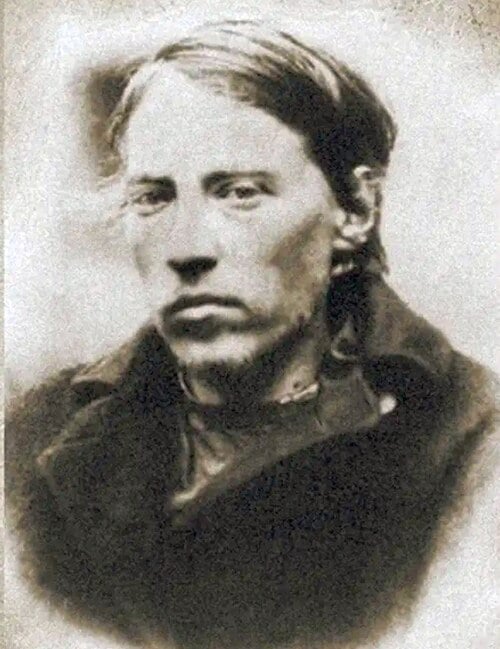
The Karakozov assassination attempt, 1866
Dmitry Karakozov's pistol shot at Alexander II on 4 April 1866 was the defining shock of the Tsar's later reign
Karakozov was a student radical acting alone, but the regime treated the attempt as evidence of organised revolutionary activity
Alexander escaped unharmed but the attempt ended his confidence in the reform era he had launched after 1855
He immediately replaced the head of the Third Section with the hardliner Count Shuvalov, giving the secret police greatly expanded powers
The Tsar's reaction was personal as well as political: he began to see reform as dangerous rather than stabilising
Conservative ministers argued that the reforms of 1861 to 1865 had created forces the regime could not control
Key liberal reformers, including Golovnin at education and Valuev at the interior, were sidelined or replaced
Conservative pressures on the Tsar
Alexander faced pressure from two powerful conservative forces: the old nobility and his own son, the future Alexander III
The nobility resented the zemstva reforms of 1864, which had reduced their automatic control of provincial administration
The future Alexander III was deeply influenced by his tutor Pobedonostsev
Pobedonostsev believed that any concession to public opinion was a sign of weakness
From the early 1870s, the future Tsar pressed this view on his father
The Russo-Turkish War (1877 – 78) drained state resources and political attention
This made the climate even more hostile to further reform
Famine and industrial recession from 1879 to 1880 deepened the sense of crisis
The regime used this to justify harsh measures
Examiner Tips and Tricks
Questions on this topic often ask whether the turn to reaction after 1866 was inevitable. Avoid a simple narrative of reform then retreat: the Loris-Melikov proposals of 1881 show he never entirely abandoned his reforming instincts.
Education, police & law after 1866
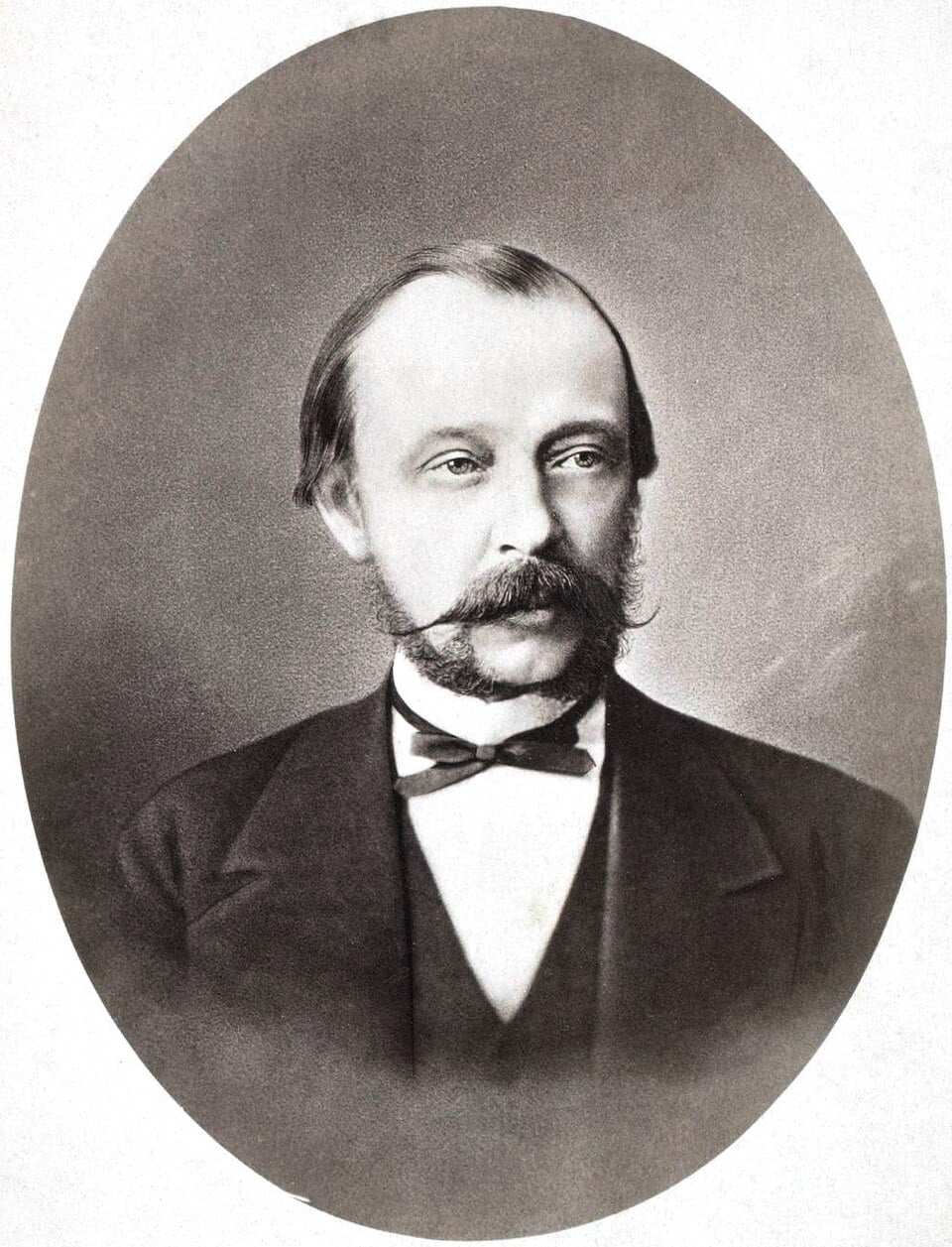
Dmitry Tolstoy and educational reform
Count Dmitry Tolstoy was appointed Minister of Education in 1866, becoming the central figure of the post-1866 reaction
He believed education should produce loyal subjects, not critical thinkers
His classical curriculum statute of 1871 replaced the more liberal science-based syllabuses with compulsory Latin and Greek
This deliberately narrowed the curriculum to subjects with little political application
It also made it harder for students to encounter the scientific materialism that helped underpin nihilism and populism
University autonomy, partially restored in the 1860s, was gradually reduced
Student associations were restricted
Surveillance of university life increased
The state tightened control over teacher appointments and curriculum content in secondary schools
Expansion of police powers
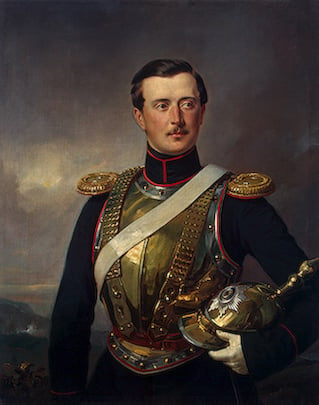
Count Peter Shuvalov dominated the Third Section from 1866 to 1874
Critics nicknamed him “Peter IV” because of his near-total influence over Alexander II
He used his position to maximise police powers and minimise the influence of liberal ministers
The Third Section’s network of agents and informers expanded significantly
Surveillance of universities, publications and zemstva intensified
After Shuvalov’s removal in 1874, the general trend towards repression continued
Successive interior ministers expanded police powers
In 1879, governors-general with emergency powers were appointed in six regions
They could arrest and exile suspects without trial
This bypassed the independent courts Alexander had set up in 1864; his own reforms were being used against the freedoms they had created
Press censorship and the limits of the legal reforms
Censorship of the press tightened steadily after 1866, rolling back the relative freedoms of the early reform era
Publications could be suspended for breaching vague limits on political discussion
Editors faced criminal prosecution
The number of journals warned or closed increased through the 1870s
This showed that public debate was tolerated only while it did not threaten the regime
Earlier reforms towards ethnic minorities were also abandoned after the 1863 Polish rebellion
Alexander II had initially allowed some limited concessions in Poland, but the rebellion convinced the regime that tolerance threatened imperial control
After 1863, Russification increased, with tighter control over Polish education, administration and the Catholic Church
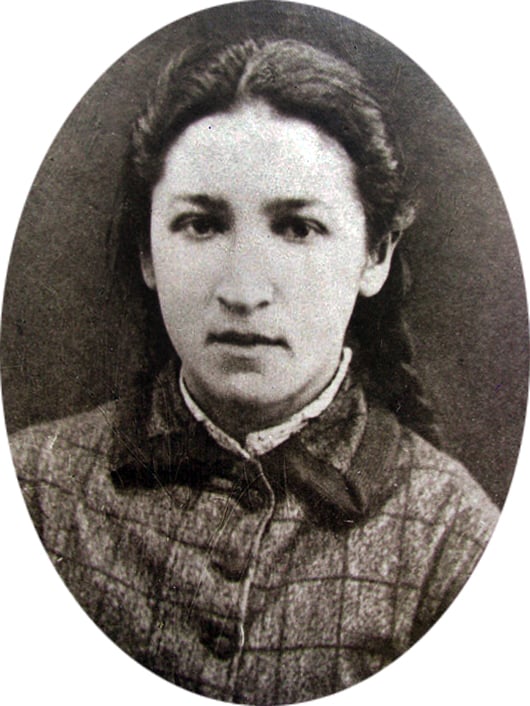
The Vera Zasulich case of 1878 exposed the contradiction at the heart of Alexander's legal reforms
Zasulich shot General Trepov, Police Chief of St Petersburg, in protest at his order to flog a political prisoner
A jury acquitted her, a verdict the regime found humiliating and politically dangerous
After this, political crimes were moved to special closed courts, partly reversing the judicial reform of 1864
Examiner Tips and Tricks
The Vera Zasulich acquittal works as evidence on both sides of the argument about Alexander's record. It shows his 1864 reforms had created genuinely independent courts; it also shows the regime's response was to restrict that independence when it produced inconvenient verdicts.
The Loris-Melikov Constitution: a missed opportunity?
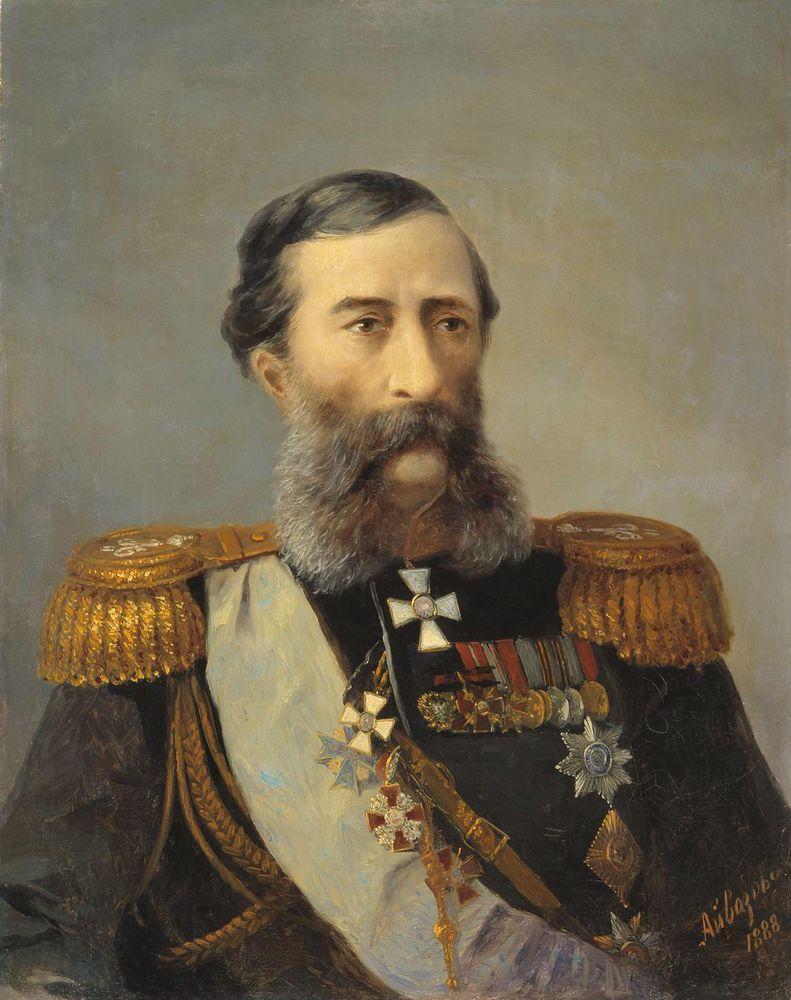
Loris-Melikov's appointment and the "dictatorship of the heart"
Mikhail Loris-Melikov was appointed head of the Supreme Executive Commission in February 1880
His appointment followed the Winter Palace bombing
It showed that the government recognised purely repressive policies had not worked
Each assassination attempt increased public sympathy for the radicals
He combined firm action against violent revolutionaries with concessions to moderate reformers, a policy known as the 'dictatorship of the heart'
He abolished the Third Section, replacing it with a reformed Department of State Police
He eased censorship, released some political prisoners and met with zemstvo delegates
The constitutional proposals
Loris-Melikov’s key proposal, presented in January 1881, called for elected commissions drawn from the zemstva and municipal councils to advise on legislation
These were not a parliament; there was no popular election, no power over legislation and no ministerial accountability
They were advisory bodies only
Alexander II approved the proposals on 1 March 1881, hours before his assassination; they were never implemented
His successor, Alexander III, convened his own advisers and decided to abandon the proposals entirely under the influence of Pobedonostsev
Assessing the 'missed opportunity'
The “missed opportunity” question divides historians
Some see the Loris-Melikov proposals as proof that Alexander was moving towards constitutional government
Others regard them as too limited to count as a genuine concession: advisory bodies are not democratic reform
What is certain is that Alexander III’s rejection of the proposals set the political tone for the next thirteen years
Examiner Tips and Tricks
The Loris-Melikov proposals are tested regularly in questions about whether Alexander deserved the title 'Tsar Reformer.' Use them carefully: they show a reforming instinct survived into his final months, but they also show how limited that instinct had become. A consultative commission is a long way from the constitutional government that Russian liberals wanted.
The assassination of Alexander II, 1881: context, events & consequences
The People's Will campaign, 1879 – 1881
People's Will (Narodnaya Volya) mounted a systematic assassination campaign against Alexander II between 1879 and 1881
In November 1879, they mined the Tsar's railway line
In February 1880, they bombed the Winter Palace dining room, killing eleven guards
Governors-general with emergency powers had been introduced but the security apparatus could not stop further attempts
The campaign showed that a small, disciplined cell could reach the head of state despite the full resources of tsarist security
People's Will had fewer than 500 members at its peak
Its strength came from secrecy, professional organisation and willingness to sacrifice its members for the cause
The assassination, 1 March 1881
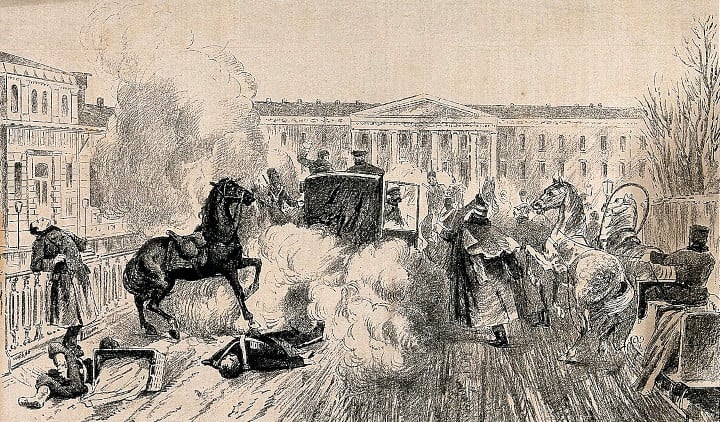
On 1 March 1881, People's Will members threw two bombs at Alexander's carriage on the Catherine Canal in St Petersburg
The first bomb missed the Tsar but wounded bystanders and members of his escort
Alexander left his carriage to check on the wounded
The second bomb was thrown at close range and fatally wounded him; he died within hours
The assassination was the seventh attempt on Alexander's life since 1866, making him the first Russian tsar to be killed since Paul I in 1801
Immediate consequences
The assassination produced the opposite of what People's Will intended: not revolution, but a conservative backlash
The peasantry did not rise; the working class remained quiet
People's Will was destroyed as an organisation within months; its leaders were arrested, tried and executed
The Loris-Melikov proposals, signed that morning, were abandoned immediately
Alexander III set the political tone for the next thirteen years from the moment he took power
He issued the Manifesto of Unshakeable Autocracy on 29 April 1881, ruling out any constitutional concessions
He dismissed Loris-Melikov and the remaining reformist ministers, placing his full trust in Pobedonostsev
The revolutionary movement had killed a tsar and handed power to the most conservative forces in Russian politics
Examiner Tips and Tricks
Do not describe the assassination as a success for People's Will. The only thing it achieved was triggering the most repressive regime since Nicholas I. This is the point the historian Pipes makes in the quote below: every act of violence strengthened the hand of those who opposed reform.
How successful were Alexander II’s reforms overall?
The question of Alexander II’s overall legacy divides historians
The central debate is whether his reforms were a genuine but incomplete attempt to modernise Russia, or whether his retreat after 1866 and assassination in 1881 left Russia more unstable than before
Alexander II transformed Russia's institutional landscape
The reforms of the 1860s created lasting institutions that outlasted Alexander's reign and shaped Russian society for decades
The zemstva of 1864 became centres of civic life, building hospitals, schools and roads, and trained a whole class of professionals in public administration
The judicial reforms of 1864 introduced independent courts, trial by jury and a professional legal profession; even Alexander III could not fully dismantle these
Emancipation in 1861 was the largest transfer of legal status in nineteenth-century European history
The partial retreat after 1866 did not erase these achievements: Russia in 1881 was far more open than Russia in 1855
Alexander never introduced the systematic counter-reforms his son would pursue; the fundamental institutions survived his reign
Key historian
"In the later years of the nineteenth century, Russia's internal policies hovered uneasily between two incompatible systems. Alexander II's reforms had severely shaken the traditional personalised power structure but had not managed consistently to replace it with institutions of civil society or rule of law. To plug the resulting authority gap, the regime had nothing else at hand but the police, backed up by emergency powers. The regime was in an insoluble dilemma, caught between perception of the need for civic institutions and inability to introduce them without undermining its own stability."
G. Hosking, Russia and the Russians (2001)
Hosking argues the regime was caught in a structural trap: it needed civic institutions for stability but could not introduce them without undermining autocracy
This is a structural argument, not a comment on Alexander's personal intentions
Use 'insoluble dilemma' as an analytical concept in essays, not a description of his character.
Alexander's vacillation left Russia structurally more dangerous
The core criticism of Alexander’s record is not simply that he reformed too much or too little
The deeper problem was that he reformed inconsistently
He created expectations he then refused to meet
The zemstva created a public voice but gave it no real power
The judiciary created fairer courts but restricted their role in political cases
The press was freed and then muzzled again
This pattern of advance and retreat radicalised parts of educated society
Moderate reformers were frustrated by the limits of change
Radicals concluded that peaceful reform was impossible
This narrowed the space between autocracy and revolution
The 1881 assassination led directly to the shelving of the Loris-Melikov proposals
Ironically, the revolutionaries had destroyed the best chance for moderate reform
Alexander III's counter-reforms were justified by his father's murder, confirming Pipes' argument that violence gave power to the enemies of reform
Key historian
"The Emperor faced the solid opposition of the rank and file of the bureaucracy as well as that of his son and heir-apparent, the future Alexander III. The radicals unwittingly assisted this conservative party. Every time they made an attempt on the life of the Tsar or assassinated some high official, opponents of political reform could press for more stringent police measures and further postponement of basic reforms. The terrorists could not have been more effective in scuttling political reform had they been on the police payroll."
R. Pipes, Russia under the Old Regime (1974)
Pipes argues that revolutionary violence structurally benefited the conservative opposition to reform
Every assassination attempt gave the enemies of change a justification to demand more repression and delay further reform
This supports Side B: Alexander's failure to build a moderate constituency meant violence always shifted the balance against him
Examiner Tips and Tricks
The strongest answers use the concept of 'effective for whom?' Emancipation freed serfs legally but left many worse off through redemption payments. The zemstva created civic institutions but were dominated by nobles. The judiciary was independent but lost jurisdiction over political cases. This kind of differentiated analysis marks Level 5 responses.

Unlock more, it's free!
Join the 100,000+ Students that ❤️ Save My Exams
the (exam) results speak for themselves:

Was this revision note helpful?
