Opposition to Khrushchev and His Fall From Power, 1964 (AQA A Level History: Component 1: Breadth study): Revision Note
Exam code: 7042

Summary
By the early 1960s, Khrushchev had alienated almost every powerful group in the Soviet system
Cultural dissidents wanted the thaw to go further
Pro-Stalinist hardliners wanted a return to order and stability
Khrushchev’s 1957 reorganisation of industry into regional economic councils weakened central Party officials
The failure of the Virgin Lands Scheme and food shortages after the 1963 harvest badly damaged Khrushchev’s standing
In October 1964, the Presidium and Central Committee voted him out
Brezhnev and Kosygin took over
Historians debate whether Khrushchev’s fall was caused by resistance from the Party machine or by his own leadership style
Tompson argues the Party apparatus he had attacked played the decisive role in removing him
Crankshaw stresses Khrushchev’s restless personal style and self-inflicted blunders
Cultural dissidents under Khrushchev: writers, artists & intellectuals
De-Stalinisation raised expectations among writers and artists
The regime could never fully satisfy these expectations
Intellectual dissent grows
The partial relaxation of censorship after 1956 encouraged writers and artists to test the limits
In order to question aspects of Soviet life, cultural dissidents used:
novels
poetry
art
Censored and banned writing spread secretly through samizdat
Khrushchev never clearly decided where the boundaries of criticism lay
Some critical authors were tolerated, while others were publicly attacked
This inconsistency frustrated reform-minded intellectuals, removing their loyalty
Cultural clampdowns alienated intellectuals
High-profile reversals showed the intelligentsia that the thaw could freeze without warning
The clearest signals were:
Many educated Soviet citizens came to see Khrushchev as erratic
They no longer saw him as generally liberalising
The result was a reform-minded group that no longer trusted him
Examiner Tips and Tricks
Cultural dissent can be understood as a form of political opposition rather than simply a literary issue. The regime’s inconsistent approach to writers and artists weakened its support among educated groups.
The emphasis is on the reasons intellectuals became disillusioned with Khrushchev, rather than on cataloguing banned works.
Opposition within the Party: hardliners vs reformers
Khrushchev's reforms split the Communist Party
Over time, they weakened his base of support within the Party
Hardliners resented de-Stalinisation
Pro-Stalinist conservatives saw de-Stalinisation as an attack on the system itself
The Secret Speech had unsettled the Party's authority and legitimacy
Many officials wanted a return to predictable, orderly rule
Constant reform and reorganisation created insecurity at every level
Party officials turned against him
In 1957, Khrushchev broke up the central economic ministries
He replaced them with regional economic councils (sovnarkhozy)
This stripped central Party officials of power and patronage
The nomenklatura resented losing control over appointments and resources
In 1962, Khrushchev split the Party into separate industrial and agricultural branches
This disrupted careers by dividing officials' responsibilities
Regional Party secretaries saw their influence weakened
The military and his own colleagues turned against him
Khrushchev cut spending on conventional forces
He focused instead on nuclear weapons
This offended senior officers who lost resources and status
His habit of demoting and reshuffling officials created resentment
Party members often lost their jobs under his reorganisations
The 1957 precedent no longer protected him
In 1957, Khrushchev had survived the Anti-Party Group by appealing to the Central Committee after the Presidium voted him out
By 1964, he had alienated the Central Committee too
This closed off his escape route
Examiner Tips and Tricks
When a question covers 1941 to 1964, keep your analysis inside those dates. A brief reference to the 1957 Anti-Party crisis is useful to explain why 1964 ended differently.
What caused Khrushchev’s downfall in 1964?
By 1964, a wide range of grievances had combined
Khrushchev's opponents combined to remove him
Sources of opposition
Source of Opposition | Grievance |
|---|---|
Personal Style |
|
Party Apparatus |
|
Agriculture |
|
Industry |
|
Military |
|
Foreign Policy |
|
The mechanics of his removal
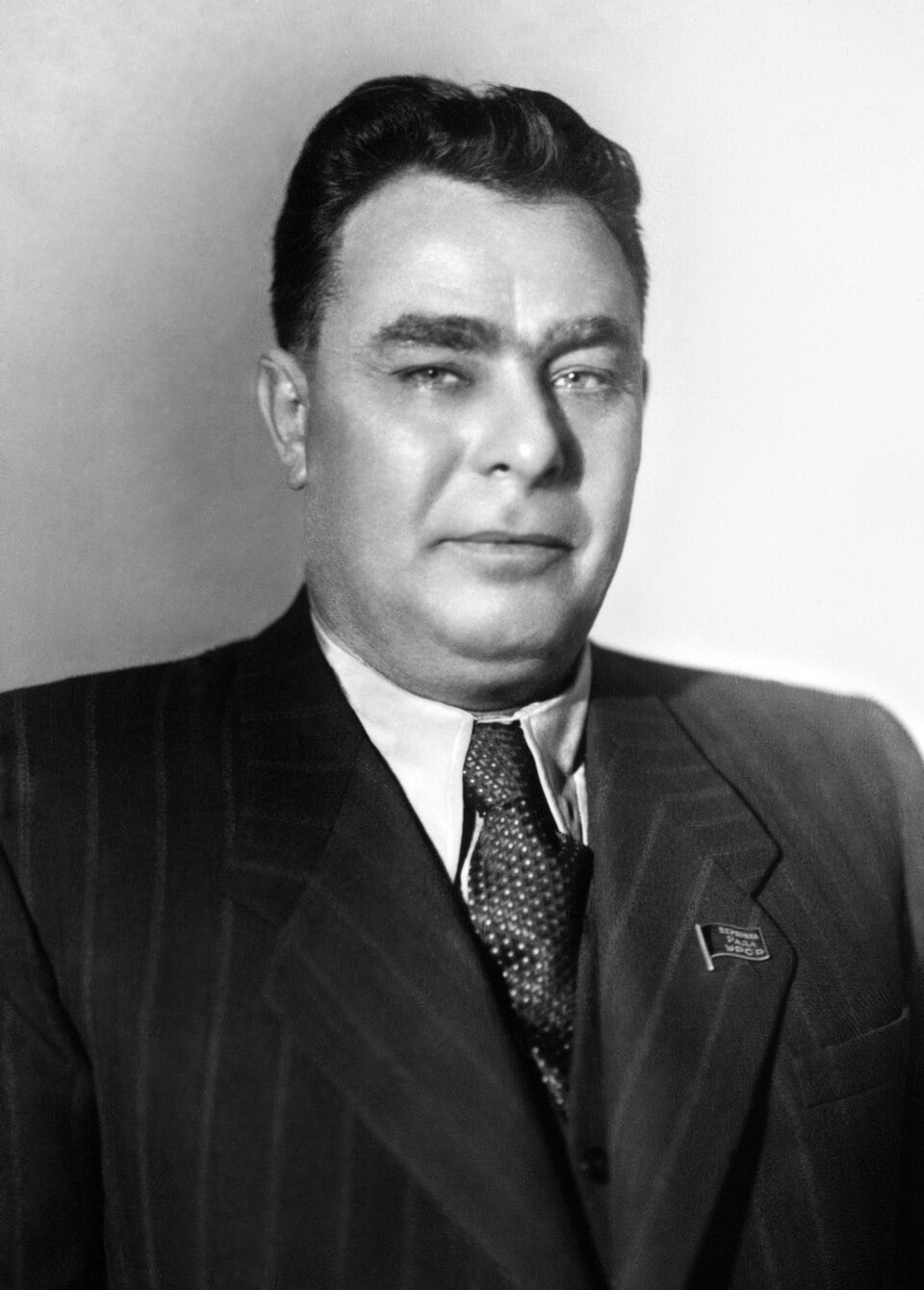
In April 1964, Leonid Brezhnev gave a flattering speech for Khrushchev's 70th birthday
Khrushchev was honoured with the title "Hero of the Soviet Union"
Few suspected his closest colleagues were already turning against him
In October 1964, Khrushchev was recalled from holiday
He was called to an emergency meeting of the Presidium
Former supporters, including Brezhnev, criticised him to his face
The Central Committee then voted to remove Khrushchev from power
Khrushchev was forced to resign
Leonid Brezhnev became First Secretary
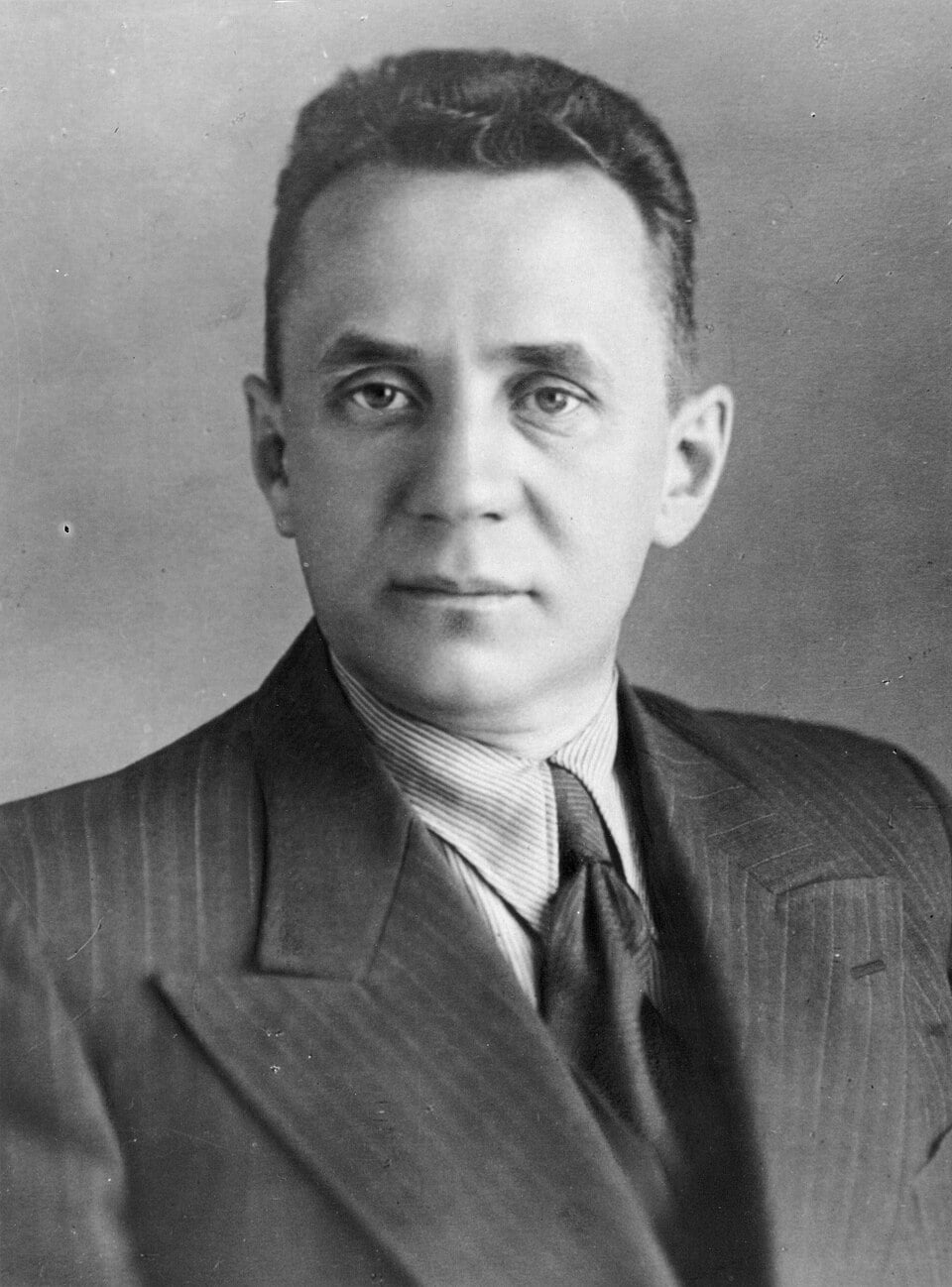
Alexei Kosygin became Premier
This restored a more collective style of leadership
Pravda announced that Khrushchev had retired because of age and ill-health
Within weeks, a damning list of his failures was published
Khrushchev was given a pension
He lived in obscurity outside Moscow until his death in 1971
Examiner Tips and Tricks
Causal questions reward you for weighing factors, not just stacking them. Group the grievances into Party, military, economic and personal factors.
Then show how they came together in 1964, rather than narrating the October meeting step by step. The strongest answers explain why so many different groups combined against him at the same moment.
Was Khrushchev doomed to fail?
Khrushchev's fall raises a key question: could his reforming project ever have survived, or did his own conduct seal his fate?
His removal reflected the resistance of the Party machine
Khrushchev depended on the same Party and state apparatus that his reforms disrupted
A reformer who weakened the apparatus could not rely on it for protection
His reorganisation created powerful enemies across:
the Party
the economy
the military
These groups had both the motive and the means to remove him
Khrushchev also failed to build a lasting alliance with the intelligentsia
This left him isolated
Without a secure base of support, he was exposed to opponents in the apparatus
Key historian
“The apparat resisted his attacks on its hegemony and played the key role in his removal in 1964.”
W.J. Tompson, Khrushchev and Gorbachev as Reformers: A Comparison (1993)
Tompson argues that the Party apparatus became the decisive force behind Khrushchev’s removal
Khrushchev had repeatedly reorganised and weakened this apparatus
According to Tompson, then, his fall came from the position of a reformer who relied on the very machine he was attacking
His removal owed more to his own style and misjudgements
Khrushchev's restless, high-handed manner offended colleagues unnecessarily
His constant reorganisations created insecurity without clear gains
Several of his decisions were widely seen as personal blunders
Agricultural failure and foreign-policy setbacks were blamed directly on him
A less impulsive leader might have held the same coalition together
This suggests his fall was not simply avoidable
Key historian
“He has upset and offended at one time and another almost every group in the Soviet Union except for the very poor … He talks too much; he clowns in public; he has committed monumental blunders.”
Adapted from E. Crankshaw, Khrushchev’s Russia (1959)
Crankshaw, writing while Khrushchev was still in power, places the problem in Khrushchev’s personality and conduct
He focuses less on Khrushchev’s structural position
This supports the view that his fall owed much to avoidable, self-inflicted errors
Examiner Tips and Tricks
Test each view against the evidence and avoid a conclusion that treats Khrushchev’s fall as either completely inevitable or entirely self-inflicted.
A balanced approach should consider both structural pressure from the Party machine and Khrushchev’s own personal failings.

Unlock more, it's free!
Join the 100,000+ Students that ❤️ Save My Exams
the (exam) results speak for themselves:

Was this revision note helpful?
