Soviet Control of Television and Film in the USSR: Propaganda and Censorship (AQA A Level History: Component 1: Breadth study): Revision Note
Exam code: 7042

Summary
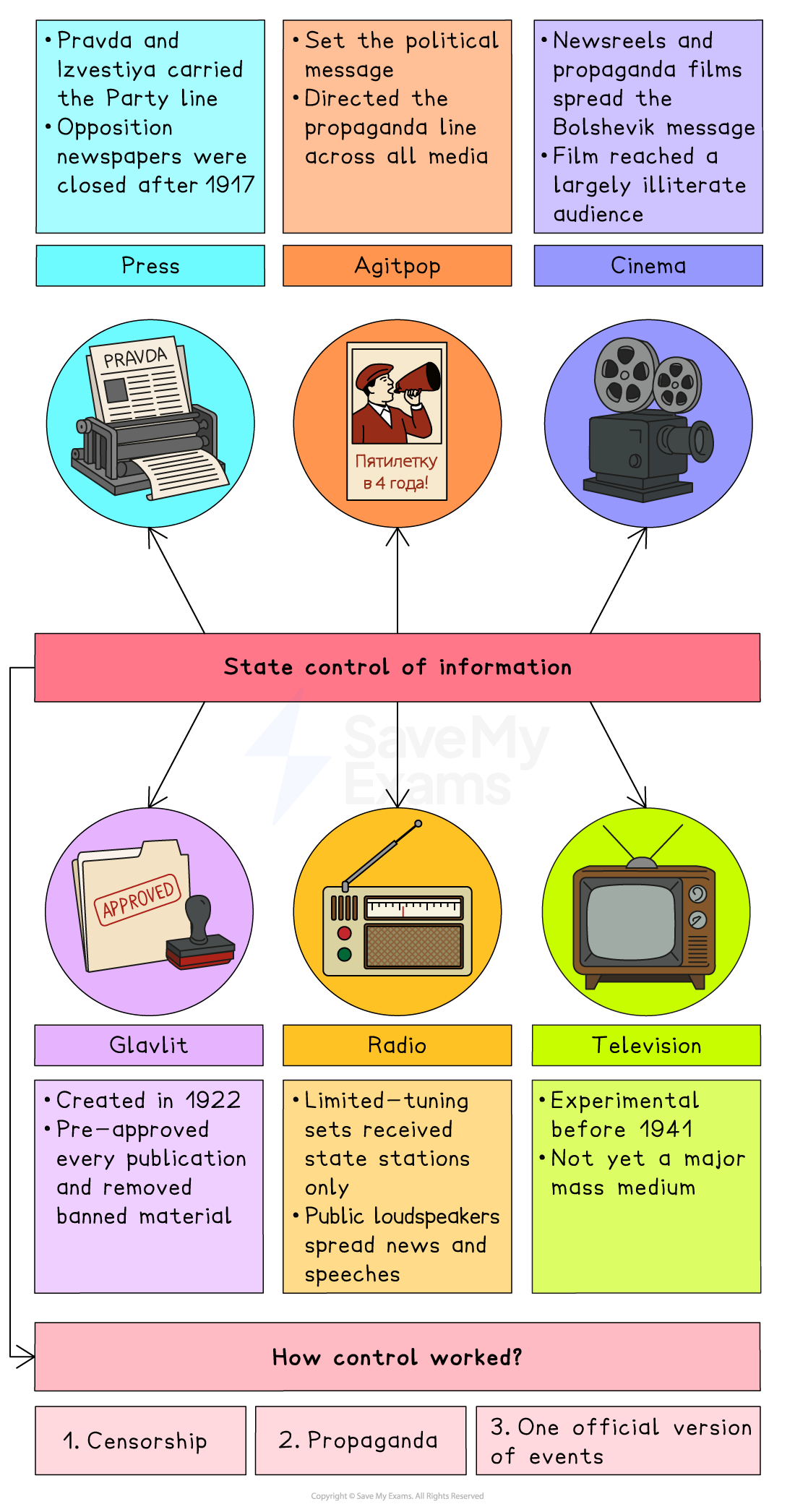
From 1917, the Bolsheviks seized control of the press
Opposition papers were closed
Pravda became the voice of the Party
Glavlit, created in 1922, censored publications
Agitprop directed the political message of all media
Radio and cinema were used to reach a largely illiterate population
Radios had limited tuning
Films and newsreels spread Bolshevik propaganda
Under Stalin, the media presented one official version of reality
Success was credited to Stalin
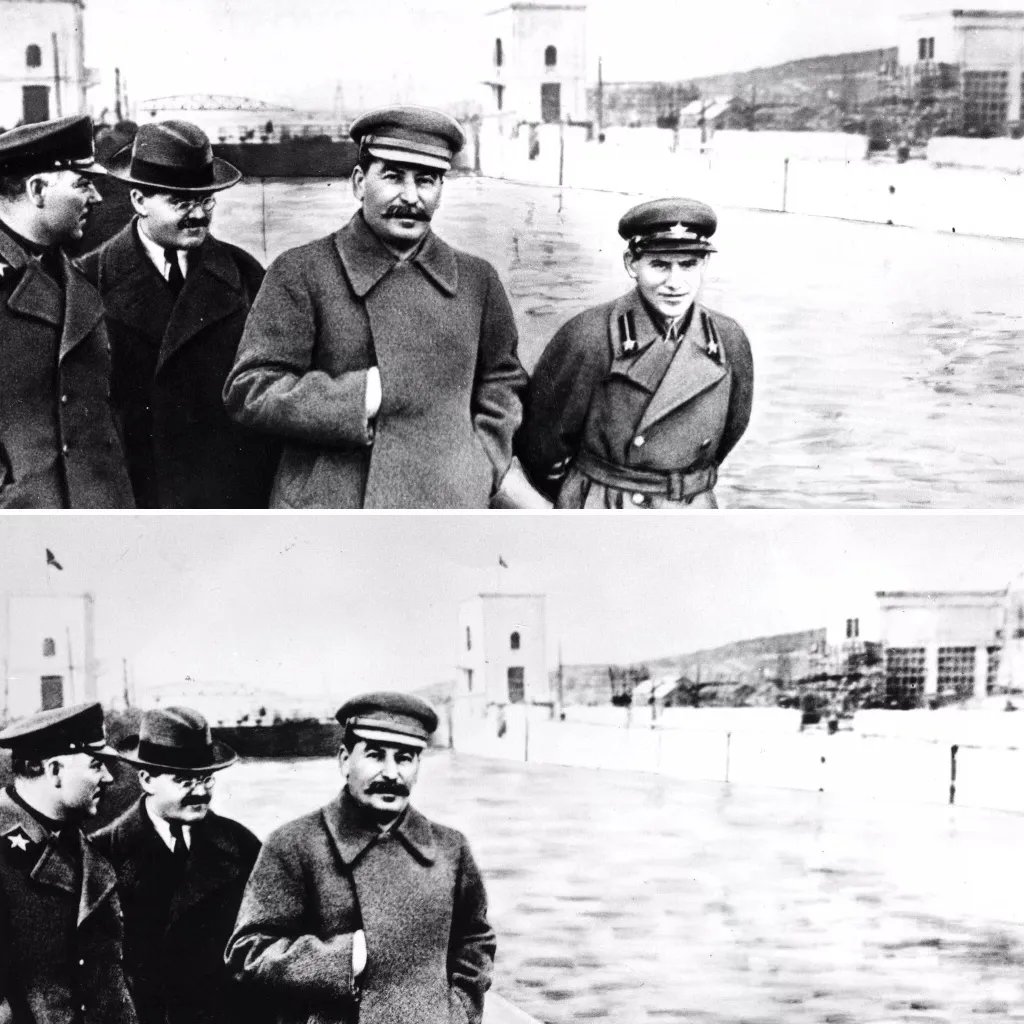
Purged figures were erased from the record
Media propaganda helped build Stalin's cult of personality
The compulsory Short Course history, published in 1938, rewrote the Party's past
Historians debate whether media control strengthened the regime or bred public cynicism
J. Davis argues propaganda reached a mass literate audience and deified Stalin
S. Davies argues that ordinary people often defeated censorship and sought alternative information
Soviet control of newspapers, magazines and the radio
Newspapers and magazines under Lenin
The Bolsheviks treated the press as a political weapon
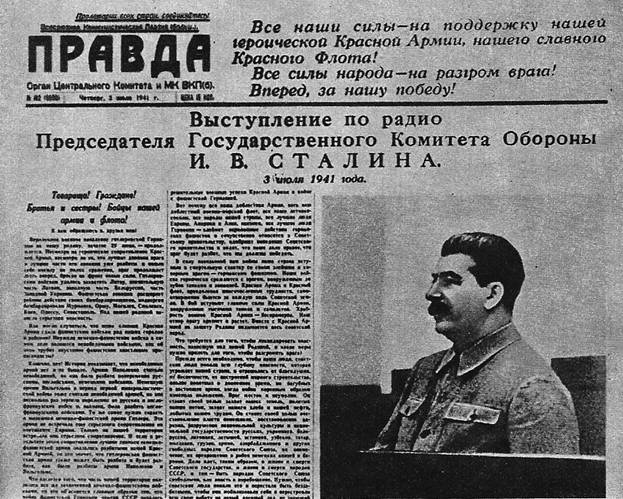
They closed down opposition newspapers within days of the October Revolution
They nationalised the printing presses
This removed independent publishing
Pravda, meaning "Truth", became the Party's main newspaper
It promoted Bolshevik ideology and attacked class enemies
Izvestia served as the official voice of the Soviet government
Glavlit and the censorship system
Glavlit was the central censorship office
It stood for the Main Administration for Literary and Publishing Affairs
It was created in 1922
Every book, article and film script needed approval from Glavlit and the GPU before release
Its remit went beyond politics
It also covered sensitive scientific material
This included the sensitive emerging fields such as nuclear physics
Banned or politically sensitive books were removed from general circulation
Some were held in closed library sections
These were open only to trusted officials and approved academics
They were also known as "Book Gulags"
Agitprop, the Party's propaganda department, set the political line for every medium
The press under Stalin
The press glorified Stalin and the regime
Newspapers such as Pravda and Izvestia reported the successes of the Five-Year Plans
Heroic workers were celebrated daily
Bad news was deliberately hidden
Famines, purges and military setbacks were not published
If they were mentioned, they were blamed on saboteurs
From 1928, Glavlit controlled access to economic data
This made failure harder to measure against official targets
Radio
Radios were mass-produced from the 1920s
They were a cheap way to spread propaganda
Sets were deliberately built with limited tuning
This meant they could only receive state stations
The radio was especially useful in rural areas
Literacy levels were often low
Broadcasts could reach people who could not easily read newspapers
Loudspeakers were placed in public places
They broadcast news and Party speeches
Listening became a shared, public act rather than a private choice
Examiner Tips and Tricks
When a question asks about social change, keep the focus on people rather than machinery. Do not just describe how the press or radio was organised.
Show how censorship shaped what ordinary Soviet citizens could read, hear and believe. The strongest answers trace the daily experience of propaganda, not just the institutions behind it.
Soviet control of television and film
Cinema under Lenin
Lenin saw film as the most powerful medium available to the regime
He said: "Of all the arts, cinema is the most important"
Films could carry the Bolshevik message to the illiterate peasant audience
Early films dramatised the revolutionary struggle
Silent films presented the Bolsheviks as heroes
They vilified the Whites in the Civil War
Newsreels spread news of Bolshevik victories in towns and villages
Cinema under Stalin
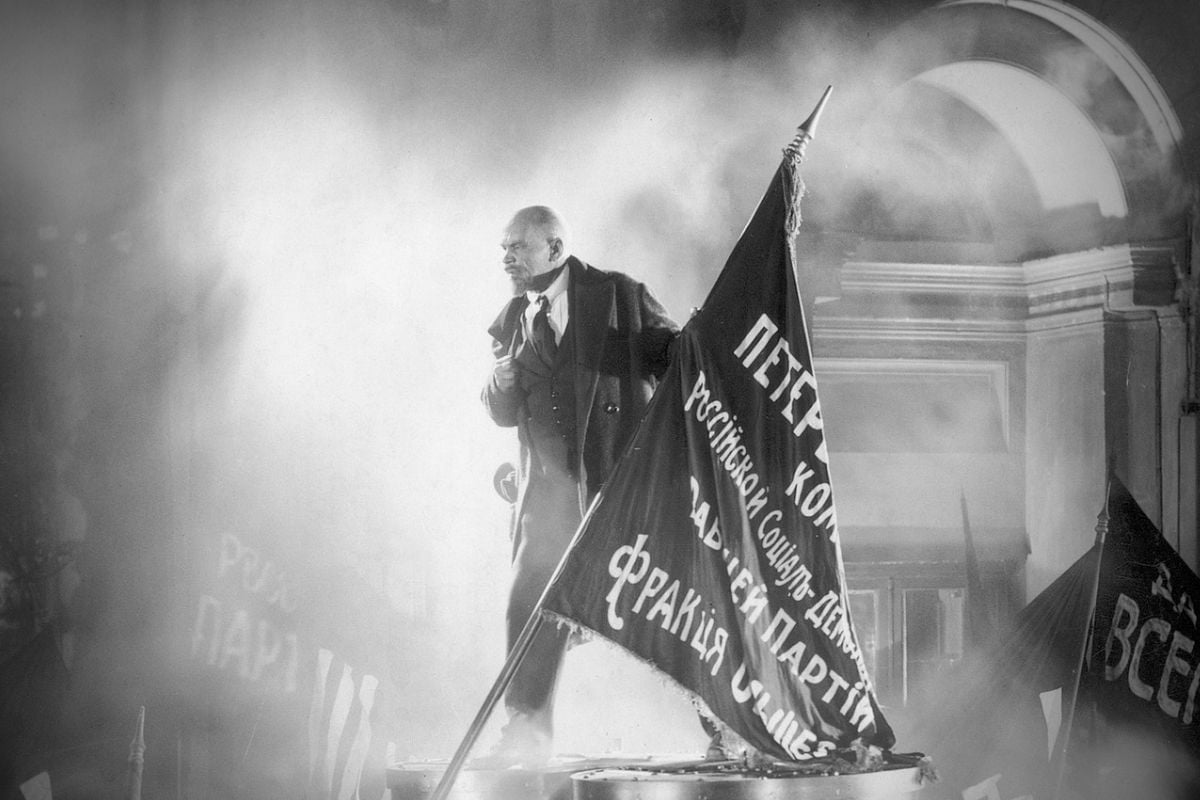
Under Stalin, cinema came fully under state control
Films followed the Socialist Realism formula
They presented an idealised and optimistic Soviet reality
Directors worked within tight political limits
Eisenstein's film, October, released in 1927, portrayed the October Revolution as a popular uprising led by the masses
Film glorified central projects of the regime
Workers appeared as heroes of industrialisation
Peasants appeared as heroes of collectivisation
Stalin's cult of personality dominated cinema
He was shown as a wise and fatherly leader
Films such as The Fall of Berlin (1950) celebrated Stalin's leadership during the Second World War
Television
Television was not yet a mass medium in the Lenin and Stalinist years
Broadcasting remained experimental
It reached very little of the population before 1941
Television became a major propaganda tool only after the Second World War
Examiner Tips and Tricks
Cultural control is best argued through continuity and change. The continuity is that censorship never disappeared.
The change is in intensity. The Lenin years allowed more experimentation, while Stalin imposed a stricter Socialist Realist line. Keep television mainly for the post-war period, when it became a mass medium.
What were the impacts of Soviet control of mass media?
It helped build the cult of personality
Propaganda transformed Stalin into a god-like national figure
Stalin consciously developed his cult of personality from December 1929
This was the time of his 50th birthday
The cult is fully established between 1933 and 1939
The regime rewrote the historical record to support the cult
The History of the Communist Party of the Soviet Union, published in 1938, became the set text in every educational institution
It sold 34 million copies by 1948
Photographs were doctored to remove Stalin's enemies
The most famous example is the removal of Yezhov from a photograph with Molotov and Stalin
It manufactured a single official truth
Citizens were offered only one permitted version of reality
Rival viewpoints were removed from the press
Radio and cinema repeated the same official message
Private life was treated as political
But, it bred scepticism
A gap opened between propaganda and everyday experience
Citizens noticed that shortages, famine and repression were missing from official accounts
Many came to distrust the media even as they consumed it
Unofficial sources of information grew to fill the gap
Rumour spread news that the state suppressed
Private letters carried alternative accounts
Later, samizdat circulated unofficial writing
Examiner Tips and Tricks
Show that public scepticism grew alongside official propaganda. The widening gap between what the state claimed and what people experienced became a weakness in its own right.
Did controlling the media help or hinder the USSR?
Media control was central to how the Soviet regime governed
Historians disagree whether it strengthened the state or quietly undermined it
Media control strengthened the regime
Control of the press, radio and cinema helped the Party dominate public life
A single message reached the whole population
Achievements such as industrial growth were turned into propaganda victories
Propaganda built loyalty and legitimacy
The cult of personality linked Stalin to every success
Stalin was presented as Lenin's heir
Rising literacy widened the audience for written propaganda
Key historian
“By greatly increasing the numbers of people who could read, the Communist Party ensured that there was a wider audience for its written propaganda. A fundamental part of Stalinist propaganda was the virtual deification of Stalin through the cult of personality. It had a number of purposes, including linking Stalin to the country’s achievements and portraying him as Lenin’s heir. This personalisation of power coincided with the process by which the dictatorship of the proletariat became the dictatorship of Stalin.”
J. Davis, Stalin from Grey Blur to Great Terror (2008)
Davis argues that propaganda was effective and far-reaching
Rising literacy gave it a mass audience
The cult of personality tied Stalin to the regime’s achievements
This supports the view that media control strengthened the state
Media control ultimately weakened it
Heavy censorship widened the gap between propaganda and reality
Citizens increasingly dismissed official media as unreliable
Cynicism spread as people noticed what the media left out
Control was never complete
Ordinary people found alternative sources of information
These included rumour, private letters and foreign broadcasts
Suppressing rival ideas did not erase them
Key historian
“These conclusions are undermined by the new sources, which reveal that, on the contrary, ordinary people were adept at defeating the censor, seeking out alternative sources of information and ideas in the form of rumours, personal letters, leaflets (listovki), and inscriptions (nadpisi). They also continued to draw on a variety of rival discourses, including those of nationalism, anti-Semitism, and populism, which proved tenacious despite concerted attempts to eradicate them.”
S. Davies, Popular Opinion in Stalin's Russia: Terror, Propaganda and Dissent, 1934-1941 (1998)
Davies takes a revisionist view
Her research suggests censorship was often evaded
The regime never controlled opinion as fully as it claimed
This supports the view that media control could be a weakness as well as a strength
Examiner Tips and Tricks
Weigh the regime’s short-term gains in control and legitimacy against the longer-term cost of public cynicism.

Unlock more, it's free!
Join the 100,000+ Students that ❤️ Save My Exams
the (exam) results speak for themselves:

Was this revision note helpful?
