Stalin’s Five-Year Plans, 1928–1941: Rapid Industrialisation (AQA A Level History: Component 1: Breadth study): Revision Note
Exam code: 7042

Summary
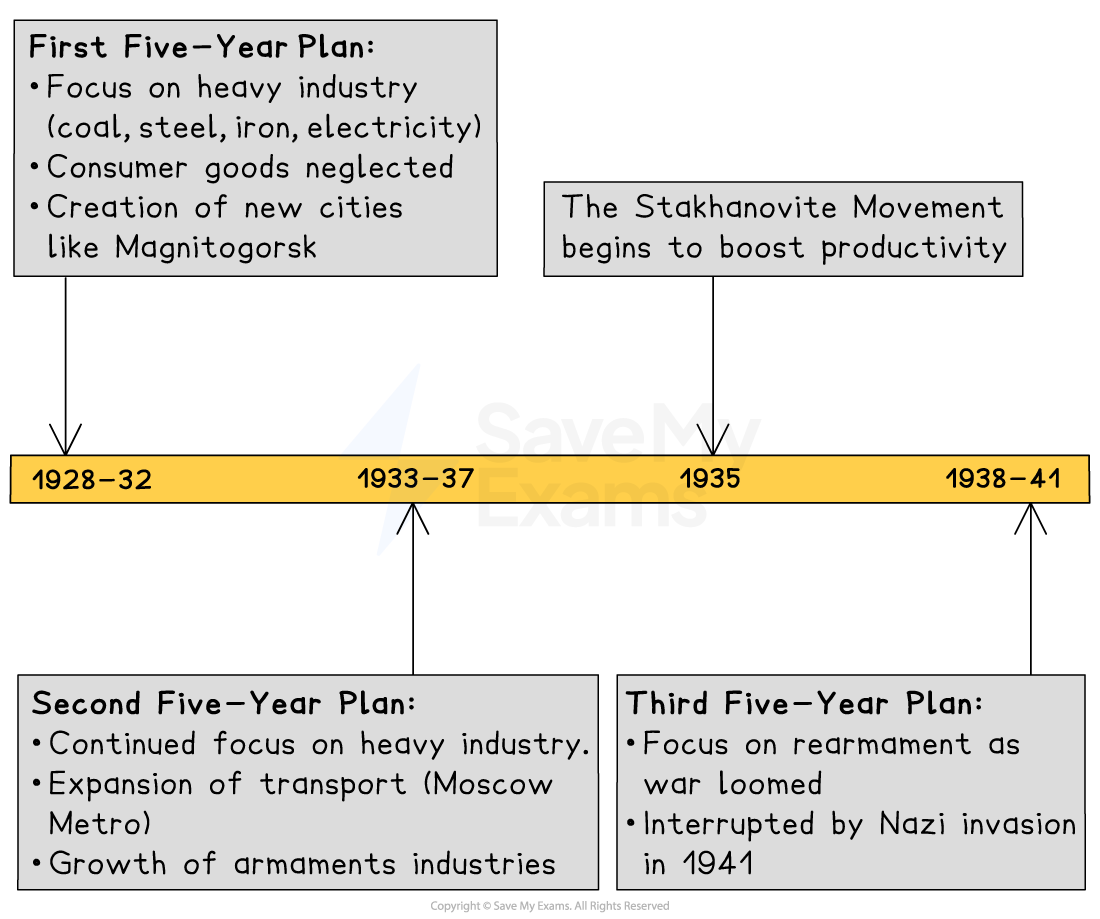
From 1928, the Great Turn replaced the New Economic Policy (NEP) with central planning and rapid, state-driven industrialisation
Stalin industrialised to strengthen the USSR against invasion, achieve self-sufficiency and build "Socialism in One Country"
The First Five-Year Plan (1928–1932) doubled coal and steel output and trebled electricity
However, most headline targets were not met
The Second and Third Five-Year Plans (1933–1941) expanded heavy industry and shifted resources into rearmament
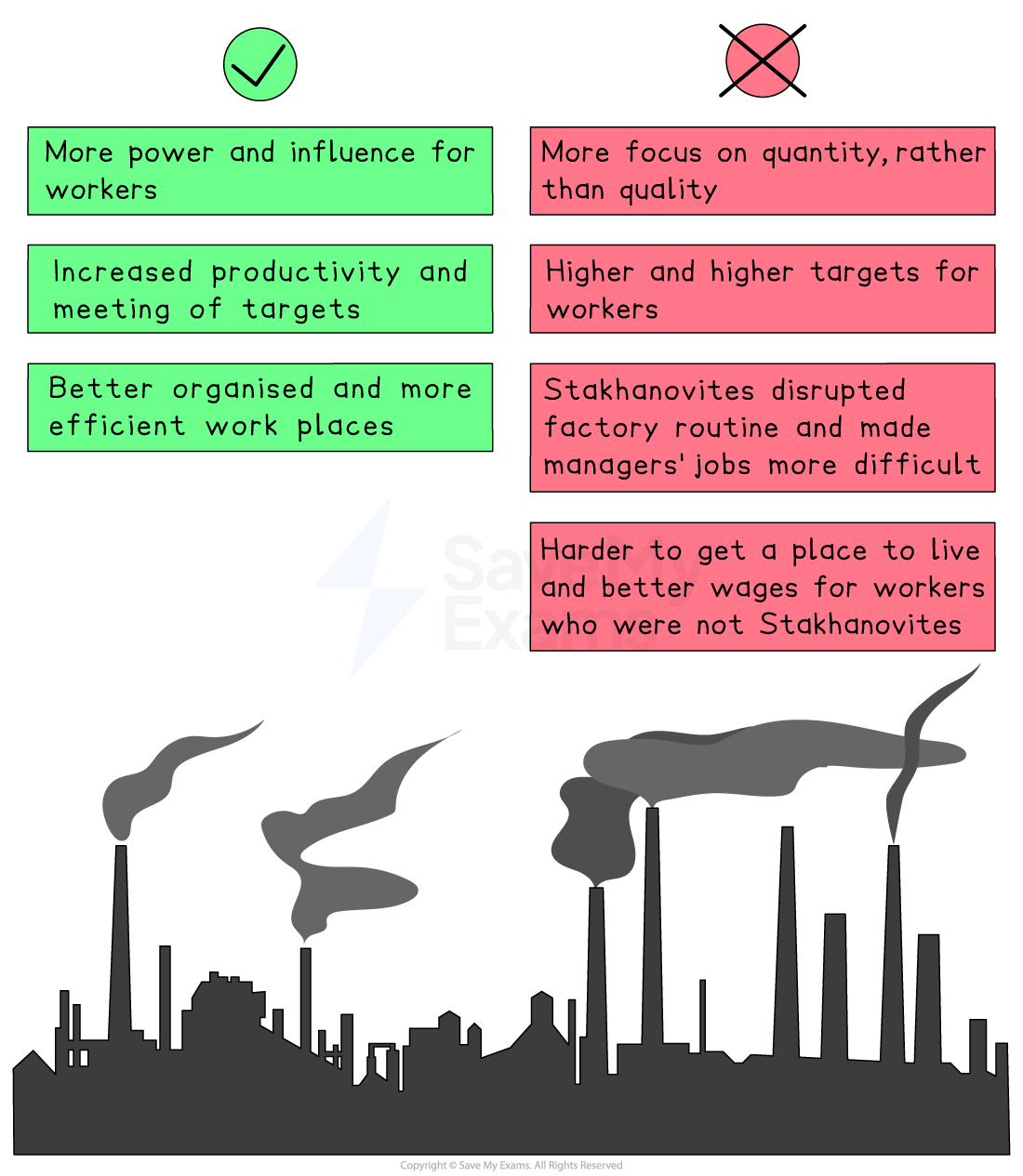
The Stakhanovite movement (1935) used propaganda, competition and pressure to raise output
Historians debate whether the plans transformed the USSR or created a lop-sided economy
Nettl sees the plans as a “second industrial revolution”
Hosking argues that growth was narrow, neglecting agriculture, housing and consumer goods
Reasons for the Five-Year Plans: why did Stalin industrialise?
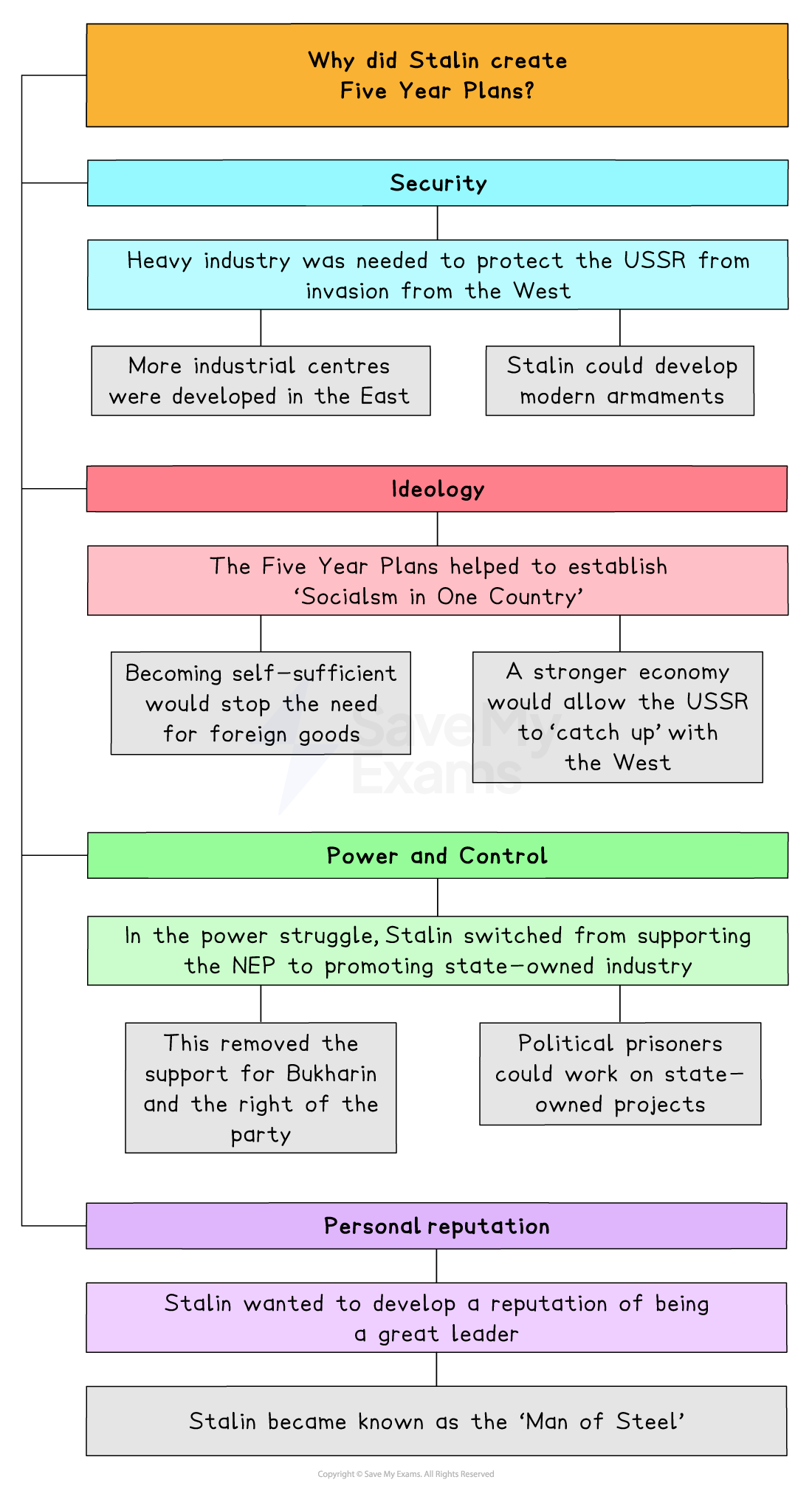
By 1928, Stalin had defeated his rivals and moved the USSR away from the NEP
The economy now shifted towards central planning
Industrialisation would be driven by the state
The Great Turn, 1928
The 15th Party Congress (December 1927) announced the end of the NEP and the launch of the Five-Year Plans
This shift from market methods to central planning became known as the Great Turn
The 14th Party Congress (1925) had already called for agrarian Russia to become an industrial nation
Planning was run by Gosplan
It produced targets for the economy
These targets were enforced by law as part of the new command economy
Why Stalin industrialised
Security drove the policy
Soviet leaders feared invasion
A war scare in the late 1920s made rapid rearmament feel urgent
Heavy industry, such as coal, iron and steel, was needed for a modern army
Stalin wanted the USSR to be self-sufficient
The policy of autarky aimed to make the USSR economically independent
This would reduce reliance on imports
Ideology was also key
Stalin wanted to end NEP capitalism
He argued that the USSR should build socialism within its own borders
This was "Socialism in One Country", not Trotsky's permanent revolution
Industrialisation reduced dependence on the peasantry
A modern economy would be directed by the state
It would not depend on private farmers or the grain harvest
The drive also strengthened Stalin's personal power
It increased the Party's control over society
It soon extended into the countryside through collectivisation
Examiner Tips and Tricks
Do not reduce the Five-Year Plans to economics alone. Strong answers weigh security, ideology and Stalin’s drive for control together.
The First Five-Year Plan, 1928–1932
Targets and propaganda
The First Five-Year Plan focused on heavy industry, specifically:
coal
iron and steel
oil and machinery
The targets were deliberately ambitious
Overall production was planned to rise by around 300%
Electricity output was targeted to rise by around 600%
The aim was to force rapid growth
Propaganda presented the plan as a patriotic mission
Workers were encouraged to see industrialisation as a service to socialism
Officials were under intensive pressure to report success
What was achieved?
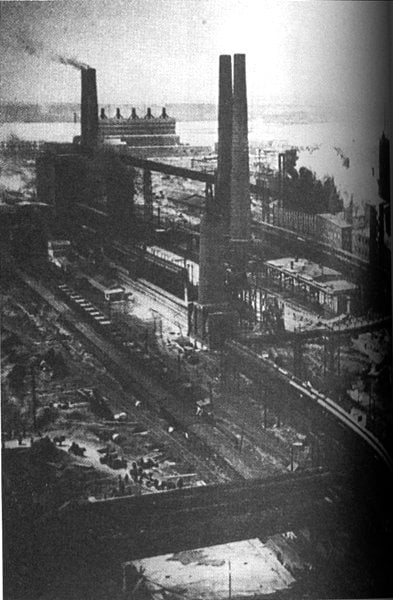
Heavy industry grew quickly
Coal and steel output doubled
Electricity output tripled
New plants, hydro-electric schemes and industrial complexes were built
Magnitogorsk became a symbol of the plan
It was a new steel city of around 150,000 people
It was built from nothing in the Ural Mountains
It was designed as a showcase of socialism and the home of the "new socialist man"
Stalin declared the plan complete in four years rather than five
He later admitted this owed much to over-reporting
Officials exaggerated results to show loyalty
In reality, none of the major targets were met
Costs and weaknesses
Consumer goods and food-processing industries were badly neglected
The plan suffered from shortages
There were too few skilled workers
There was too little central coordination
Smaller workshops lost out to giant prestige factories
Workers at sites like Magnitogorsk faced harsh conditions
Many lived in communal barracks
They were kept under constant political supervision
Examiner Tips and Tricks
Be careful with statistics here. Make clear that the targets were not actually met and that claims of success were often propaganda.
The Stakhanovite movement: propaganda and productivity
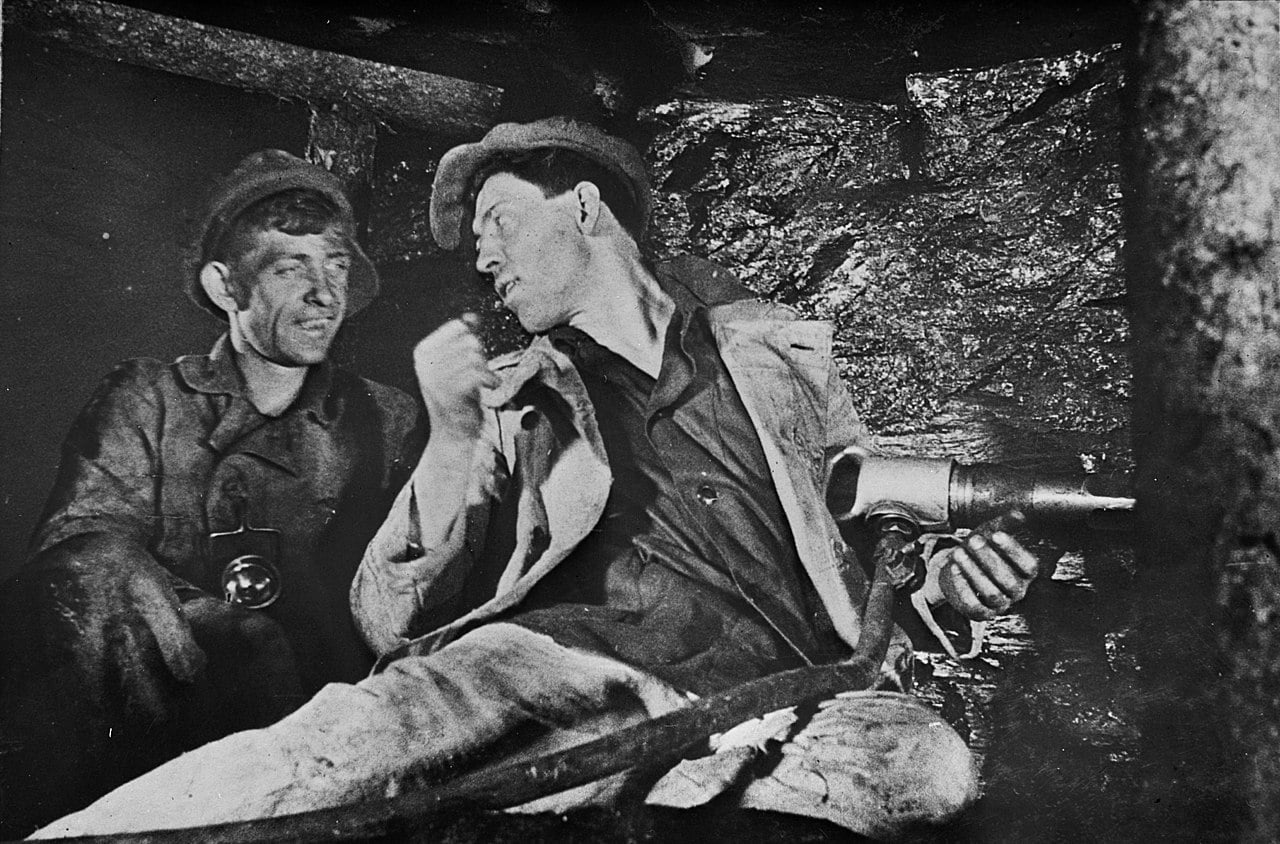
The Stakhanovite movement was launched in 1935
It promoted "socialist competition"
It aimed to raise output
It was named after Alexei Stakhanov
He was a miner whose record output was widely publicised
His achievements were inflated
But he was presented as a model for all workers
The movement mixed reward with pressure
Bonuses were paid to those who exceeded targets and norms
Norms were then raised
This increased pressure on ordinary workers
Stakhanovism was about propaganda and discipline, not just production
It promoted loyal, productive workers as heroes of socialism
It encouraged competition between workers
It strengthened pressure from above
Examiner Tips and Tricks
Treat the Stakhanovite movement as propaganda and labour discipline, not just productivity. It shows how the regime used model workers to promote control and pressure across Soviet society.
The Second and Third Five-Year Plans, 1933–1941
The Second Plan, 1933–1937
The Second Plan continued to focus on heavy industry
It also gave more attention to chemicals, electricals, consumer goods, and communications
1934 to 1936 were the "three good years" of strong growth
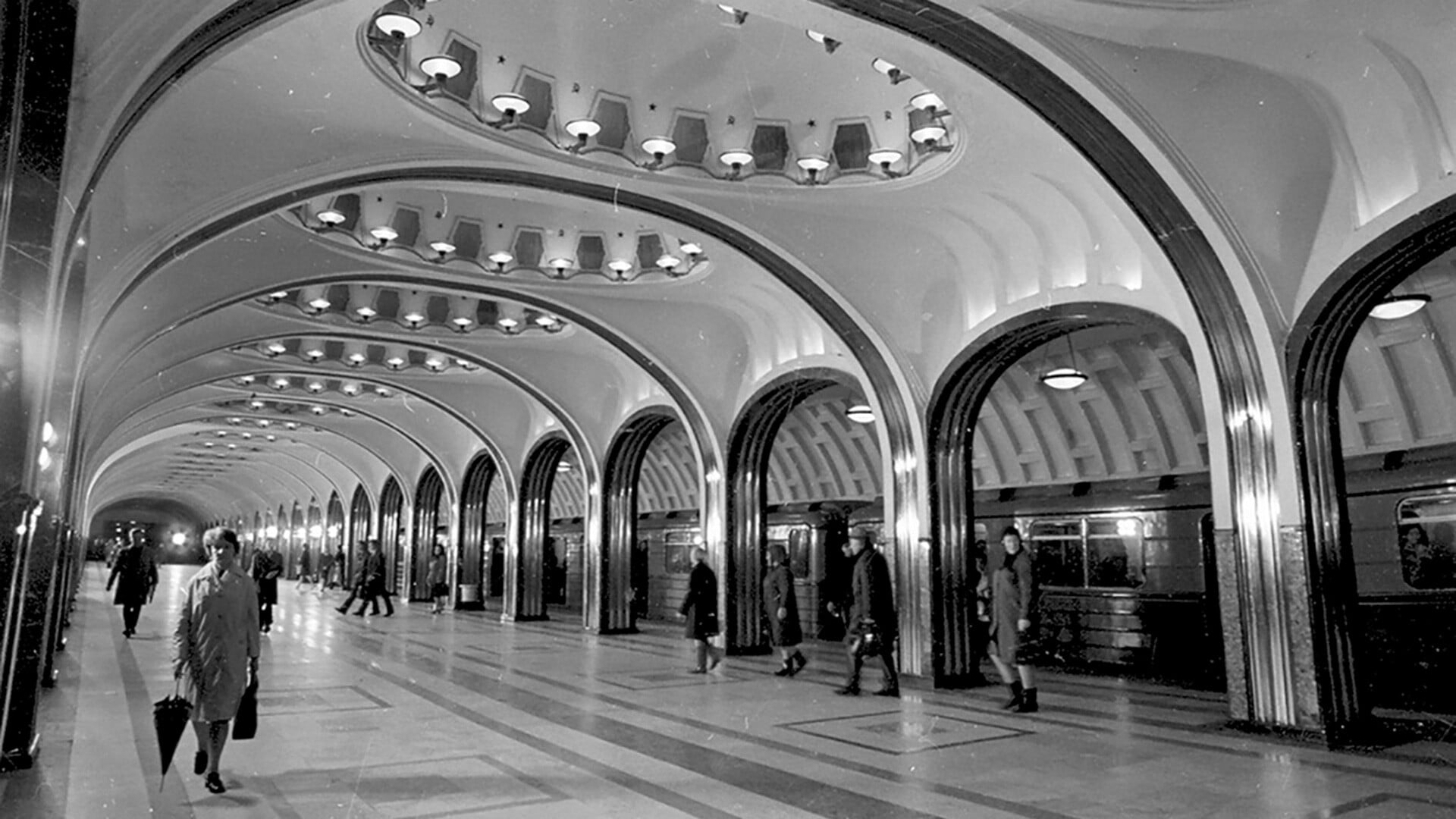
The Moscow Metro opened in 1935
The Moscow–Volga Canal was completed in 1937
Steel output trebled, and coal output doubled by 1937
From 1936, resources shifted increasingly towards rearmament
Defence spending rose from around 4% of GDP in 1933 to around 17% by 1937
New metals such as copper, zinc and tin were mined in quantity for the first time
The Third Plan, 1938-1941
The Third Five-Year Plan focused on heavy industry and rapid rearmament
Fear of war shaped its priorities
Military needs became increasingly important
Results were uneven across the country
Steel output stagnated
Oil failed to meet targets, causing a fuel crisis
Stalin's purges caused a shortage of skilled managers and specialists
The plan was cut short by the German invasion in June 1941
Even so, the industrial base built under the plans helped the USSR survive and win the war
Examiner Tips and Tricks
The growing fear of war changed the aims of the Second and Third Plans. Use this to show that Stalin’s industrial policy was not fixed: it became increasingly focused on rearmament.
How successful were Stalin’s Five-Year Plans?
The plans clearly transformed the Soviet economy
However, historians disagree over how to judge that transformation
The plans were a genuine industrial transformation
In barely a decade, the USSR became a major industrial and military power
Coal, steel and electricity output rose sharply
New industries and cities, such as Magnitogorsk, were created
This industrial base helped the USSR to survive after 1941
Supporters argue that such rapid modernisation was a major achievement
It helped prepare the USSR for war against Nazi Germany
Key historian
“The Bolsheviks’ second industrial revolution began in 1928. It was this which ultimately gave the Soviet Union its modern character … By the time Stalin died the Soviet Union had been completely transformed.”
Adapted from J. P. Nettl, The Soviet Achievement (1967)
Nettl presents the plans as a transforming “second revolution”
They completed the Bolshevik project
They modernised a largely peasant society
This supports the view that the plans were a far-reaching success
The growth was lop-sided and came at great cost
Growth was concentrated in heavy industry
Agriculture, housing, consumer goods and services were neglected
Much output was of poor quality or only met targets on paper
The planned "economy" was often chaotic
Projects were launched before anyone knew whether they could be completed
Central planning did not always mean effective planning
The human cost was high
Workers faced harsh labour conditions
Coercion was widespread
Critics argue that this made the development unbalanced and unsustainable
Key historian
“… the first three five-year plans increased industrial output considerably … All other aspects of the economy were downplayed or neglected: agriculture, housing, retail trade, services and consumer industries … Russia’s seemingly impressive economic development of the 1930s was lop-sided and unsustainable.”
Adapted from G. Hosking, Russia and the Russians (2001)
Hosking accepts that industrial output rose sharply
However, he argues that the gains were narrow
Other sectors were sacrificed
This supports the view that the plans’ success was limited and unbalanced
Examiner Tips and Tricks
In the compulsory extract question, judge each extract’s argument against your own knowledge.
Avoid line-by-line commentary or mechanical use of “convincing” and “unconvincing”. For this question, the strongest lines of attack are the lop-sided economy, heavy industry versus light industry, and the human cost.

Unlock more, it's free!
Join the 100,000+ Students that ❤️ Save My Exams
the (exam) results speak for themselves:

Was this revision note helpful?
